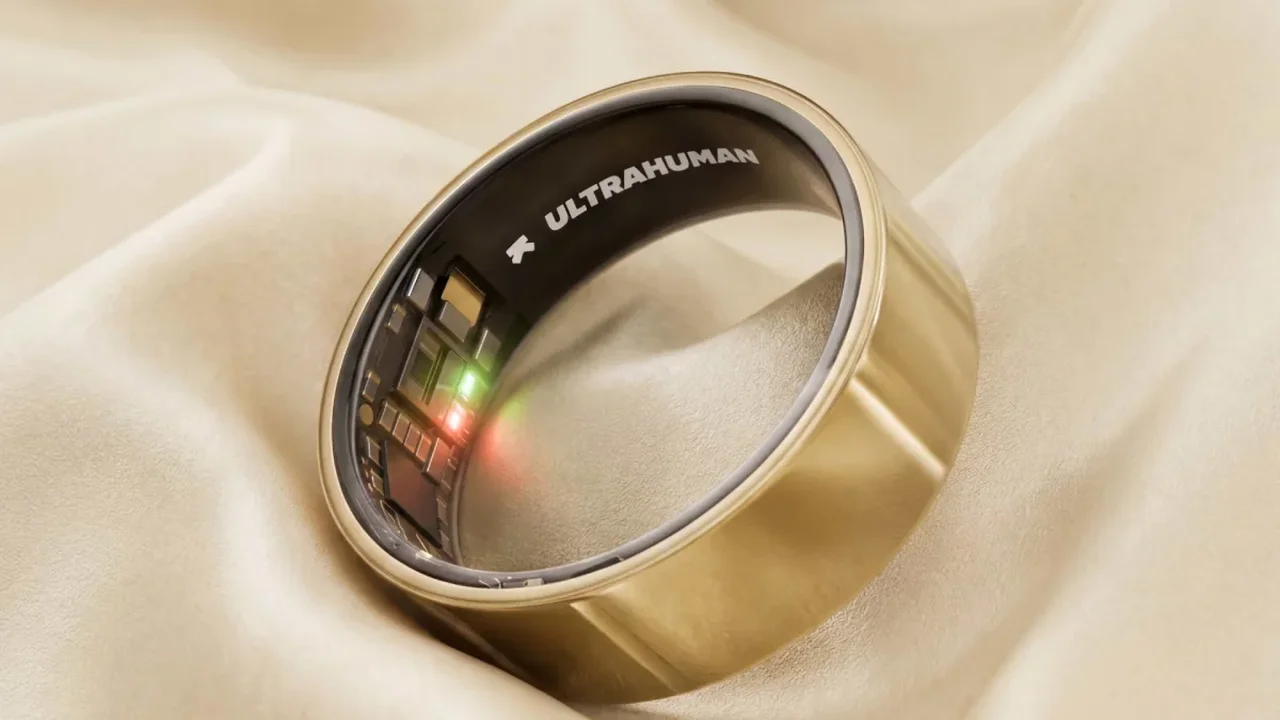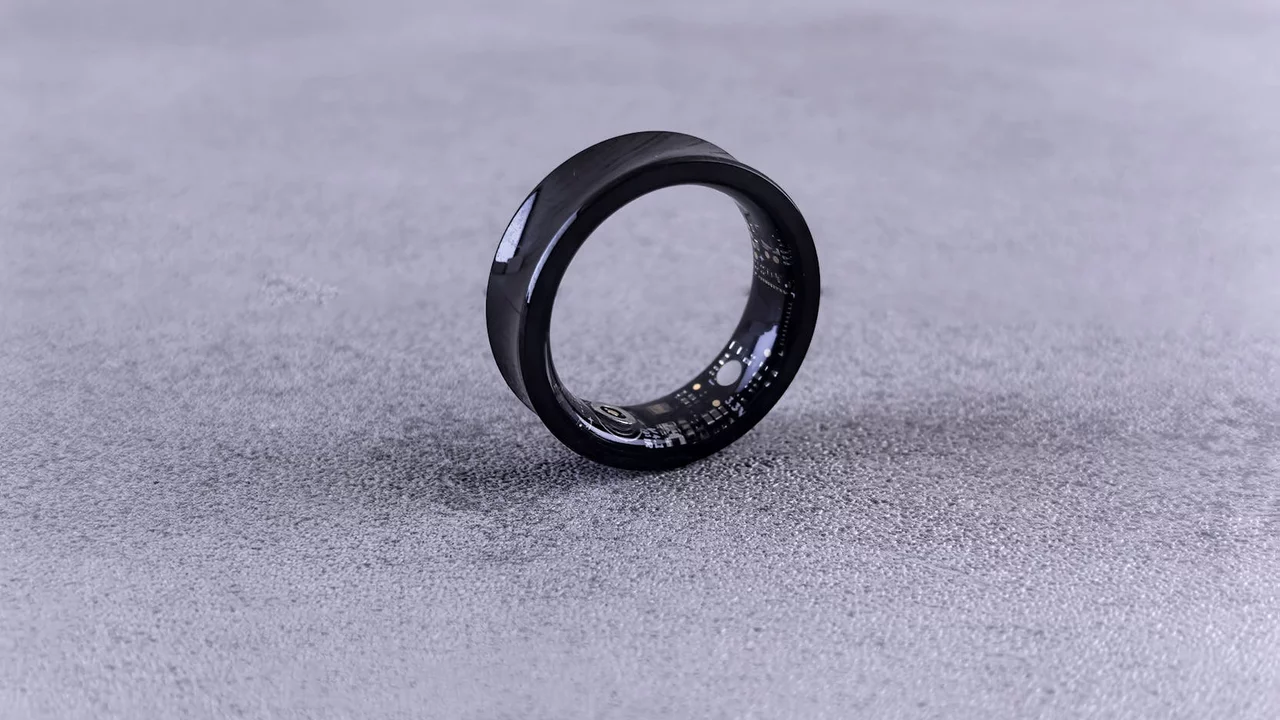
Ultrahuman, a health-tech startup based in Bengaluru, is reigniting its U.S. operations following the approval of its innovative Ring Pro. This move positions Ultrahuman in a competitive landscape against Oura, which has solidified its market presence during Ultrahuman's recent challenges.
The U.S. Customs and Border Protection's recent approval comes shortly after the global launch of the Ring Pro in late February. This development follows an October ruling by the U.S. International Trade Commission favoring Oura, which temporarily restricted Ultrahuman's imports of its previous Ring Air model, leading to an estimated $50 million loss for the company, as stated by CEO Mohit Kumar.
The U.S. market is pivotal for smart rings, with sales projected to reach approximately 2.6 million units in 2025, constituting around 60% of the global total. IDC data indicates a remarkable year-over-year growth of 59%. While Oura has expanded its market share significantly, Ultrahuman's share plummeted from 24.6% in mid-2025 to low single digits due to import restrictions.
At its peak, the U.S. represented nearly 50% of Ultrahuman's revenue. However, as the company diversified into European and Asian markets during the import ban, this share decreased. Kumar remains optimistic, asserting that the competitive landscape only provided rivals with a "three-month advantage," and he anticipates a swift recovery.
Plans are underway for an accelerated U.S. rollout, with Kumar estimating a full-scale operation within five to six months as the company reestablishes its supply chain. The Ring Pro features a redesigned unibody metal structure, which not only helped secure U.S. clearance but also promises enhancements like extended battery life and improved on-device processing capabilities.
India: The Next Competitive Frontier
As Ultrahuman intensifies its U.S. strategy, Oura has made its entry into the Indian market with the launch of its Ring 4, setting the stage for an engaging rivalry in key regions. Kumar expressed confidence in Ultrahuman's long-term prospects in India, suggesting that increased competition could elevate market awareness in a still-developing sector.
Despite a reported 30.6% decline in smart ring shipments in India in 2025, Ultrahuman retained a leading market share of 30.4%. IDC forecasts continued double-digit growth for the smart ring market globally, although India's growth may be more subdued. Oura's global brand recognition could enhance its foothold in India, especially as early local competitors have struggled.
Kumar highlighted that the U.S. comprises about 45% of Ultrahuman's daily active users, with a notable demographic skew towards women, who represent approximately 73-74% of users there. Additionally, Ultrahuman is exploring new wearable technologies focused on different biomarkers, aiming to broaden its product offerings.
The advancements in smart ring technology and the competitive dynamics between Ultrahuman and Oura signal a promising future for wearable health technology, potentially transforming how individuals monitor their health and well-being.