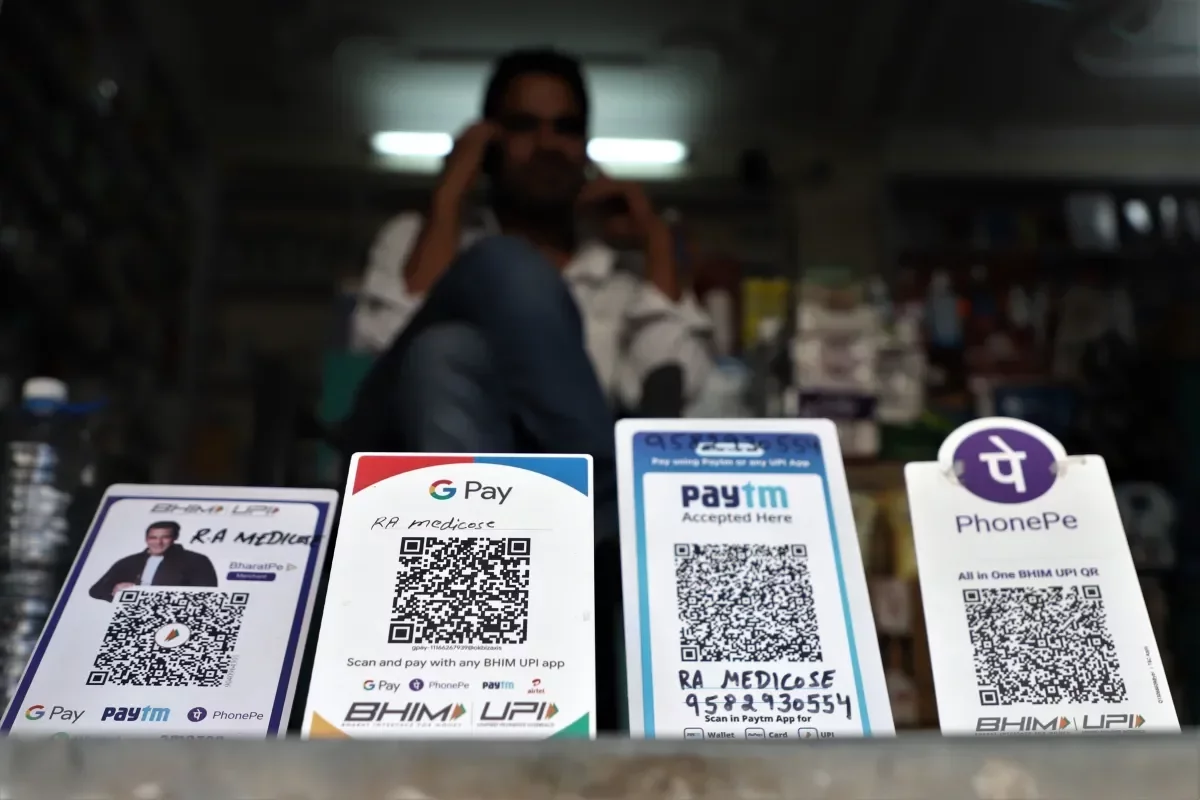
In a significant move, Amazon and Meta are spearheading efforts to address the overwhelming dominance of PhonePe and Google Pay in India's rapidly expanding instant payments landscape. Scheduled for a meeting with the National Payments Corporation of India (NPCI), representatives from Amazon Pay, WhatsApp, CRED, MobiKwik, and Flipkart's Super.money will discuss the current state of the Unified Payments Interface (UPI), which facilitates billions of transactions monthly.
This meeting follows the NPCI's decision to postpone the implementation of a market share cap for UPI applications until December 31, 2026. The proposed cap aimed to limit any single application's share of UPI transactions to 30%, a measure that would have mitigated the market power of incumbents like PhonePe and Google Pay, who currently command about 80% of UPI transactions.
Recent data reveals that PhonePe and Google Pay processed approximately 22.6 billion transactions on the UPI network as of March, significantly outpacing competitors such as Paytm, MobiKwik, and others. PhonePe recently announced it has surpassed 700 million registered users and 50 million merchants across India, showcasing the extensive reach that smaller rivals find challenging to replicate.
The agenda for the upcoming meeting includes discussions on user acquisition strategies, product design, and monetization practices within the UPI ecosystem. Amazon and Meta will advocate for fairer access to features like autopay and payment mandates, as well as regulatory support to bolster the competitiveness of emerging players.
As these smaller companies face hurdles in competing against the established giants, their lobbying efforts aim to encourage the NPCI to take action. However, the NPCI, operating under the auspices of the Reserve Bank of India, has encountered difficulties in curbing dominance without disrupting services relied upon by millions of users.
While the outcome of this meeting remains uncertain, it underscores the ongoing dialogue around fostering a more equitable digital payments environment in India. The future of the UPI landscape may hinge on the ability of regulatory bodies to balance innovation and competition, potentially reshaping the market dynamics for years to come.