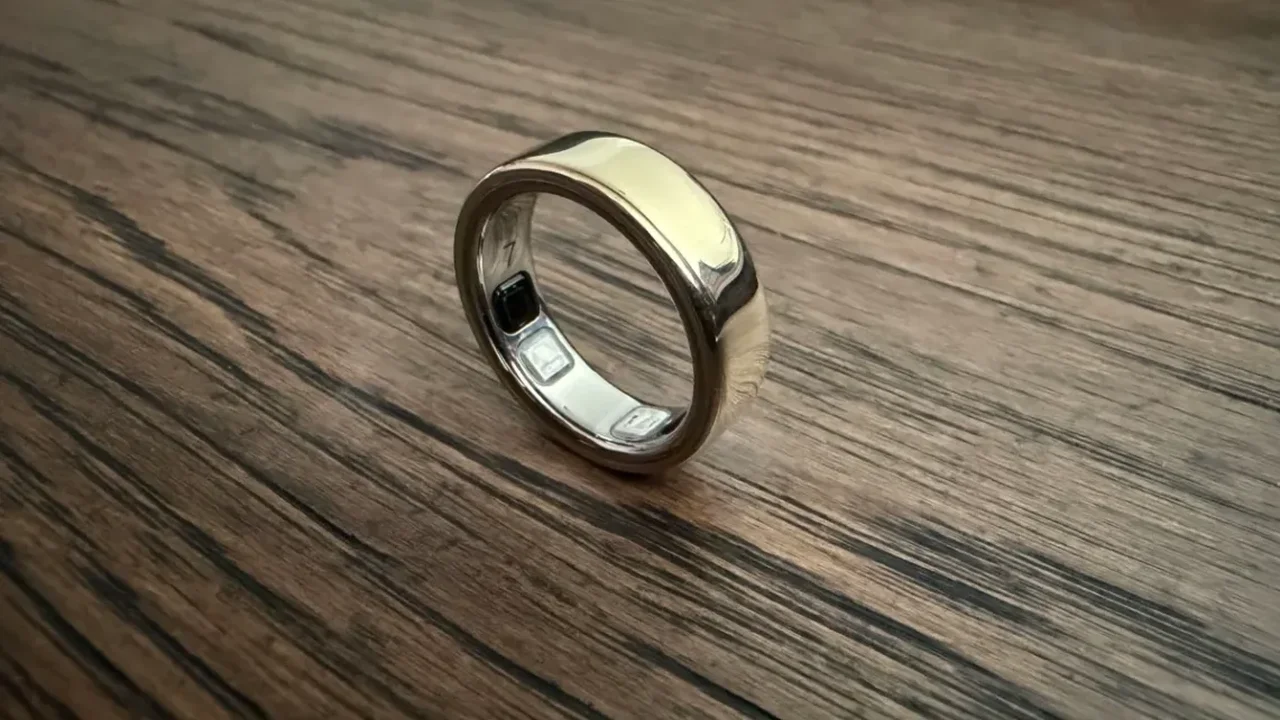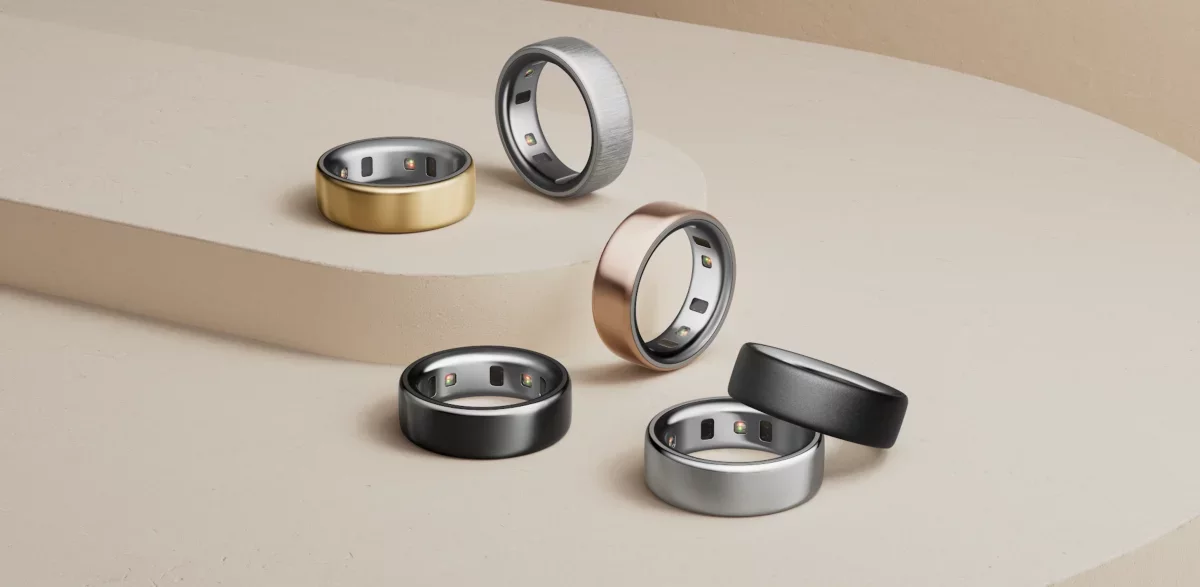
Oura, the Finnish innovator in smart ring technology, is making its debut in India with the launch of its latest product, the Ring 4. This entry comes as the smart ring sector in India begins to evolve, facing competition from local brands like Ultrahuman.
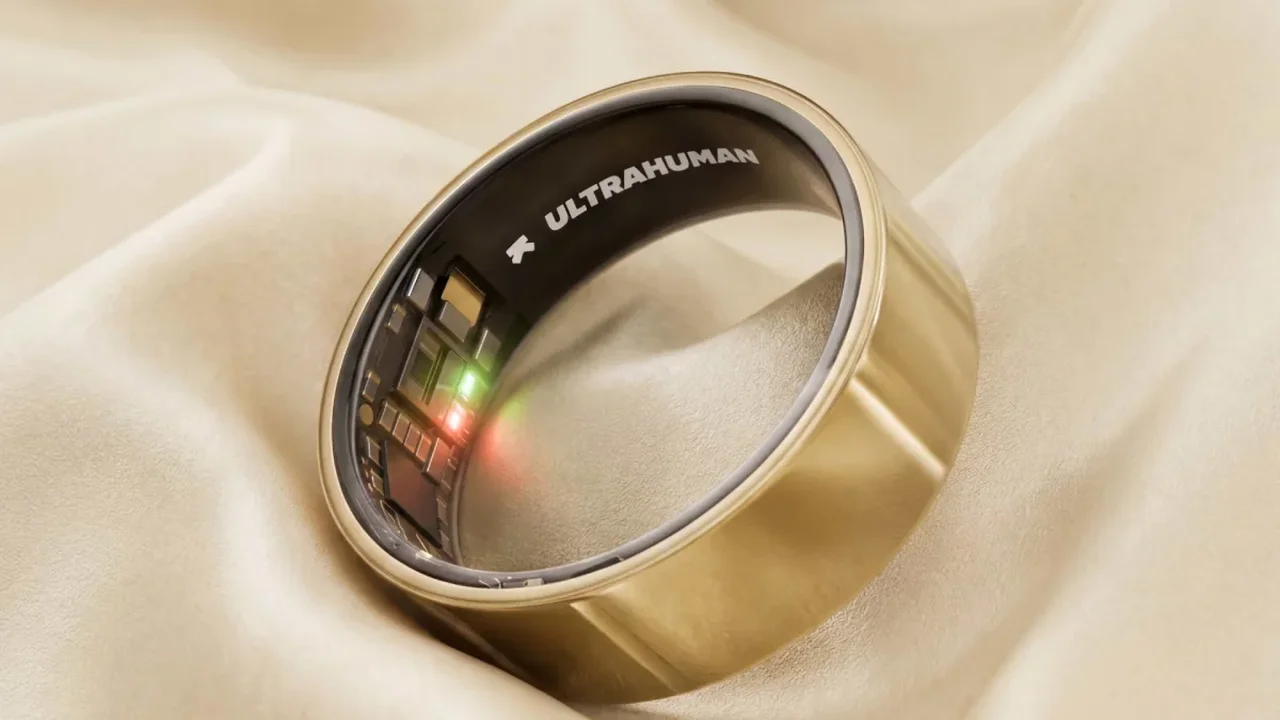
The Ring 4 is priced between ₹28,900 (approximately $313) and ₹39,900 (around $432), alongside a monthly membership fee of ₹599 (about $6). In contrast, Ultrahuman's Ring Air is available for ₹28,499 (around $308), while its upcoming Ring Pro is set at ₹42,990 (about $465).
Despite the growth potential, India's smart ring market remains relatively small, with a notable decline in shipments, as reported by IDC. The market has seen a 30.6% drop in shipments in 2025 compared to the previous year, with average selling prices falling by 8.7% to $159.7. This trend highlights the increasing presence of budget-friendly alternatives.
Vikas Sharma, a senior market analyst at IDC, noted that the smart ring category is still in its infancy in India, marked by limited consumer awareness and relatively high pricing despite the introduction of affordable options. Initial enthusiasm for smart rings as a tech trend has not translated into sustained growth, partly due to muted marketing efforts from vendors focusing on larger markets.
Currently, Ultrahuman leads the smart ring market in India with a 30.4% market share, followed by Gabit at 18.3%, according to IDC statistics.
Oura is positioning the Ring 4 as a premium health-focused device, integrating hardware with a subscription service that offers tailored insights into sleep, activity, and recovery. This strategy distinguishes Oura from many local competitors who primarily compete on price.
The competition between Oura and Ultrahuman extends beyond Indian borders, with Oura previously initiating legal action against Ultrahuman in the U.S., impacting sales of Ultrahuman's Ring Air. In response, Ultrahuman has redesigned its Ring Pro to comply with Oura's patents and is seeking clearance for import into the U.S.
In conjunction with the launch, Oura released findings on sleep patterns among its Indian users, revealing an average sleep duration of just 6 hours and 28 minutes per night, which is below recommended levels. This data emphasizes both the potential for growth in health awareness and the challenges of converting that awareness into demand for premium, subscription-based products in a price-sensitive market.
The future of smart rings in India may hinge on increased brand competition and a diversification of pricing strategies, as noted by Sharma.