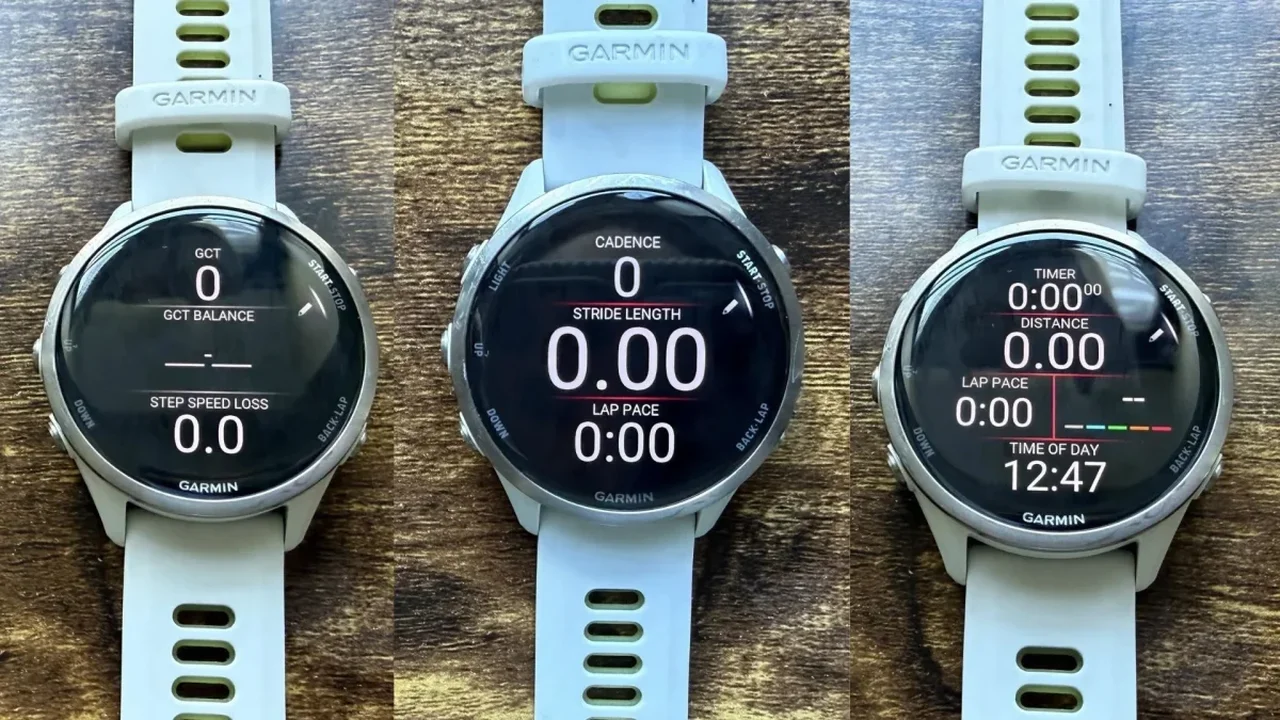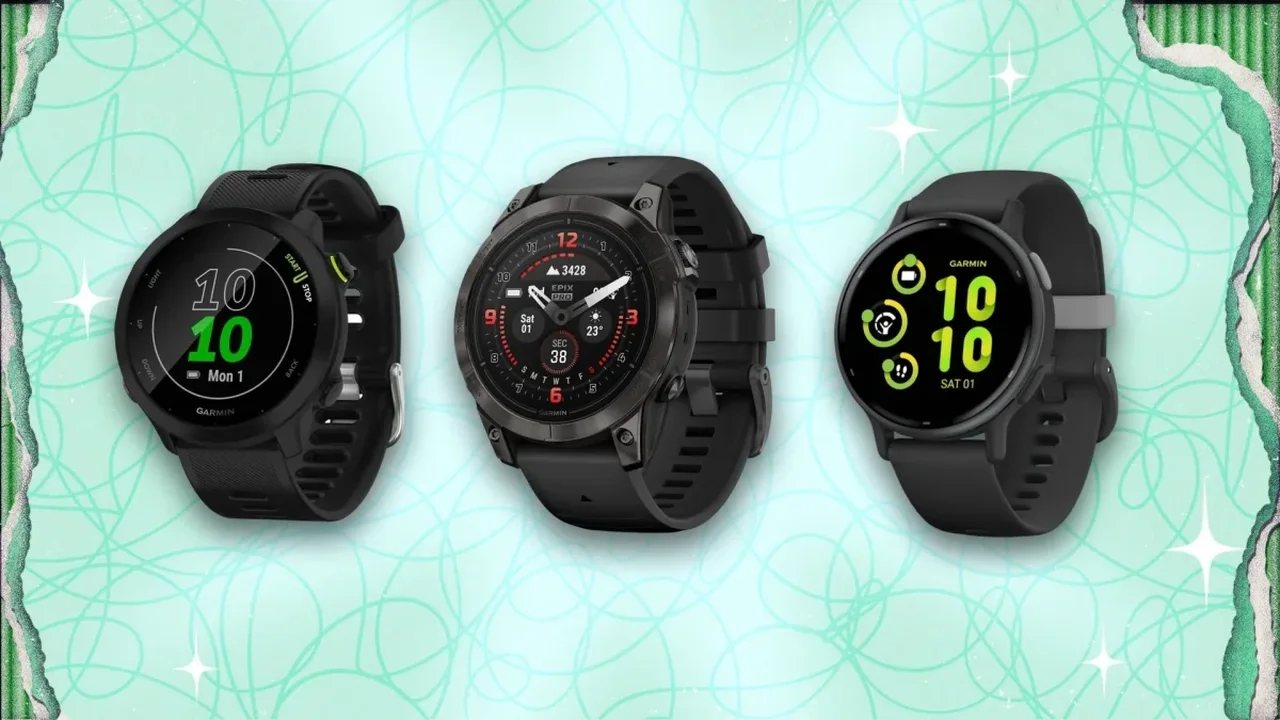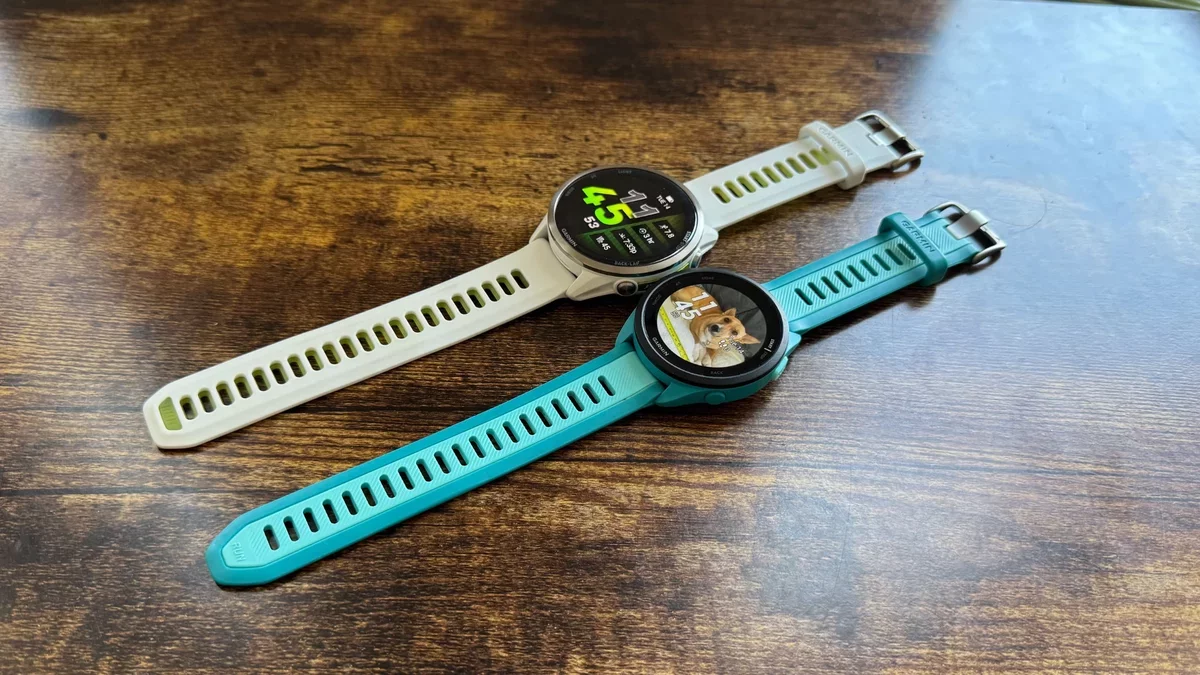
In recent years, my journey as a runner has transformed significantly. I transitioned from being a minimalist runner to embracing Garmin's entry-level running watch, and now, I've upgraded to the premium Forerunner 970. This leap from the Garmin Forerunner 165 to the Forerunner 970 feels less like a step and more like an elevator ride to the top, especially considering the price difference--from $250 to $750.
Understanding the Forerunner 165
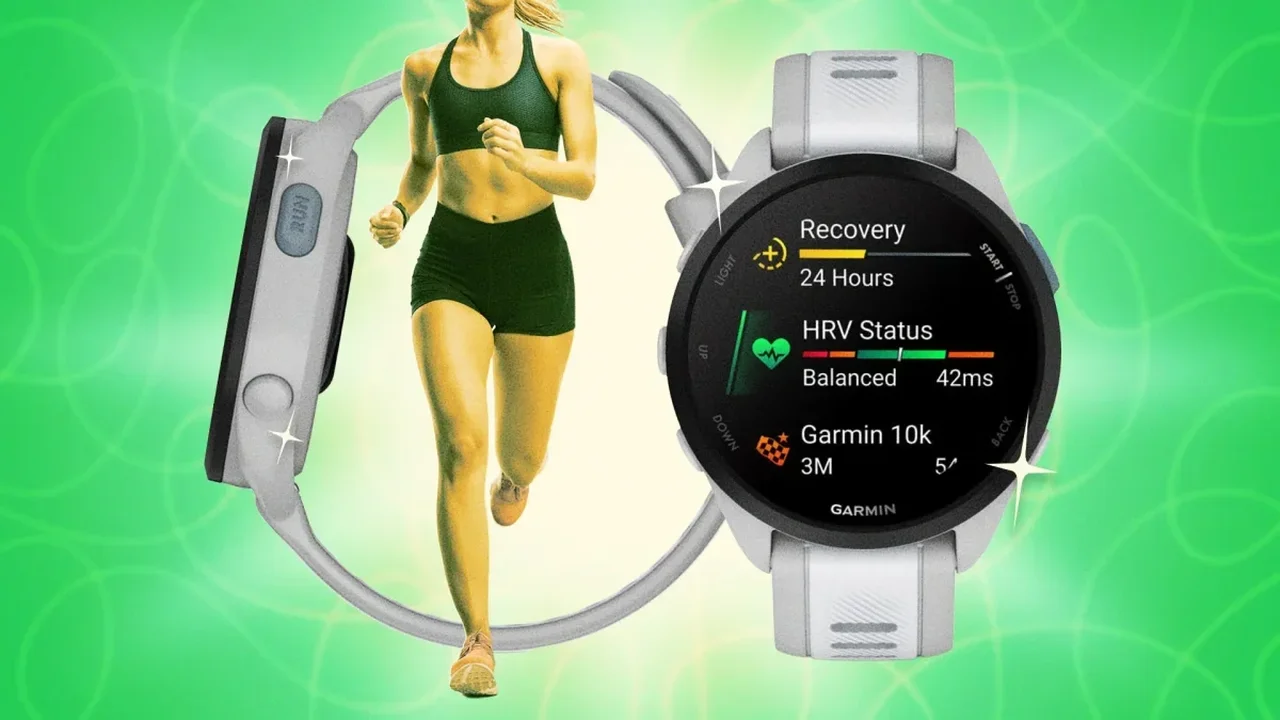
The Forerunner 165 is an excellent choice for casual to intermediate runners, offering features like daily suggested workouts, heart rate variability status, and over 25 sport profiles. While it lacks some advanced features, such as multi-band GPS and built-in maps, it serves well for those who prefer straightforward running metrics. However, as training becomes more structured, a runner might find the 165 limiting.
The Premium Features of the Forerunner 970
The Forerunner 970 boasts a titanium bezel and sapphire crystal lens, delivering a luxurious feel. Weighing under two ounces, it features the brightest AMOLED display Garmin has produced, essential for outdoor runs. Notably, it includes a built-in LED flashlight and the ability to make phone calls directly from the watch, enhancing convenience for users.
Equipped with the new Elevate Gen 5 heart rate sensor, the 970 introduces ECG capabilities and skin temperature tracking, providing more accurate recovery and sleep metrics. Additionally, a new GNSS chip enhances satellite acquisition, ensuring reliable performance even in urban settings.
My Experience with the Upgrade
The metrics provided by the 970 justify its price for serious runners. Key features like running economy and tolerance help optimize training. While some advanced metrics require additional accessories, the built-in full-color maps with turn-by-turn directions significantly improve navigation during trail runs.
For me, the running tolerance feature has been transformative, setting a weekly mileage limit based on my training history to prevent injury, which is invaluable for someone prone to overtraining.
Who Should Consider the Upgrade?
Is the upgrade worth it? For dedicated runners, triathletes, or those who require advanced navigation, the 970 offers a substantial upgrade in sensor quality and training insights. However, for casual runners who don't have specific race goals, the Forerunner 165 remains a solid choice. Investing the price difference in quality gear or race entries might be more beneficial.
Ultimately, the Forerunner 970 exemplifies how technology can enhance training and performance, paving the way for a new era of intelligent running.