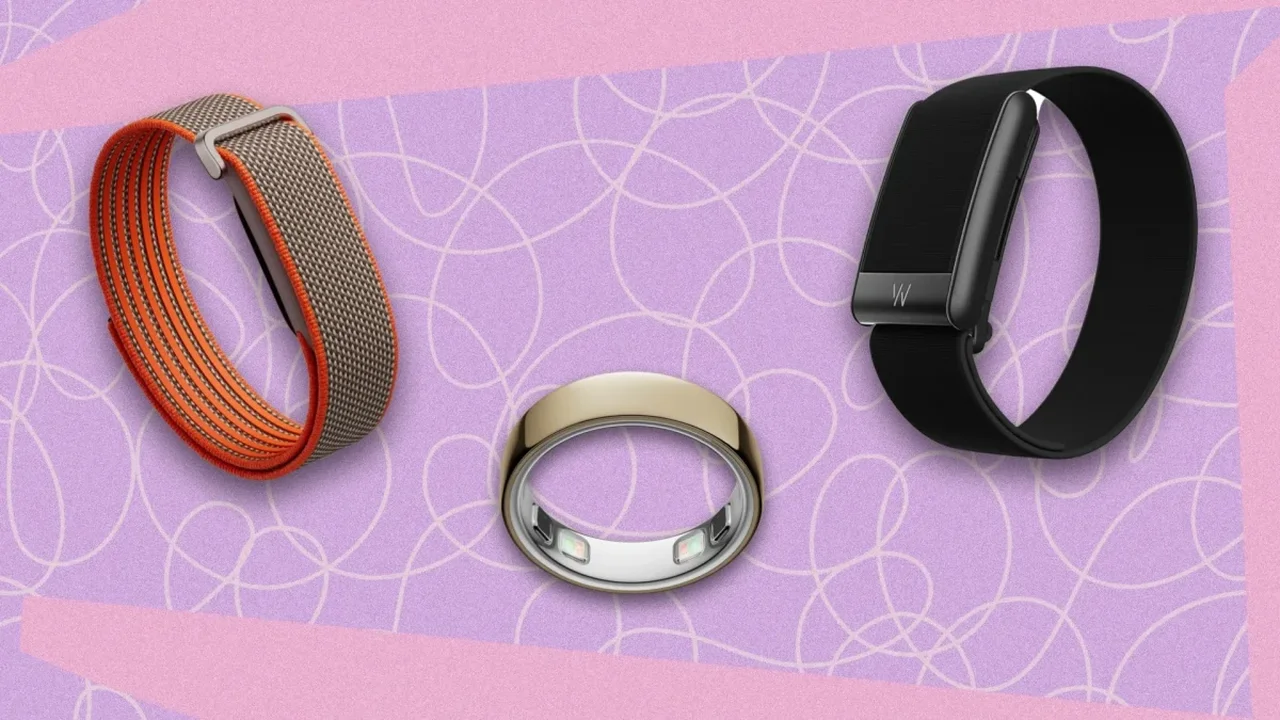
Fitness technology is becoming more personal, discreet and purpose-driven. From screen-free bands to advanced GPS watches, today's leading wearables are designed around different routines: everyday wellness, athletic recovery or detailed run training.
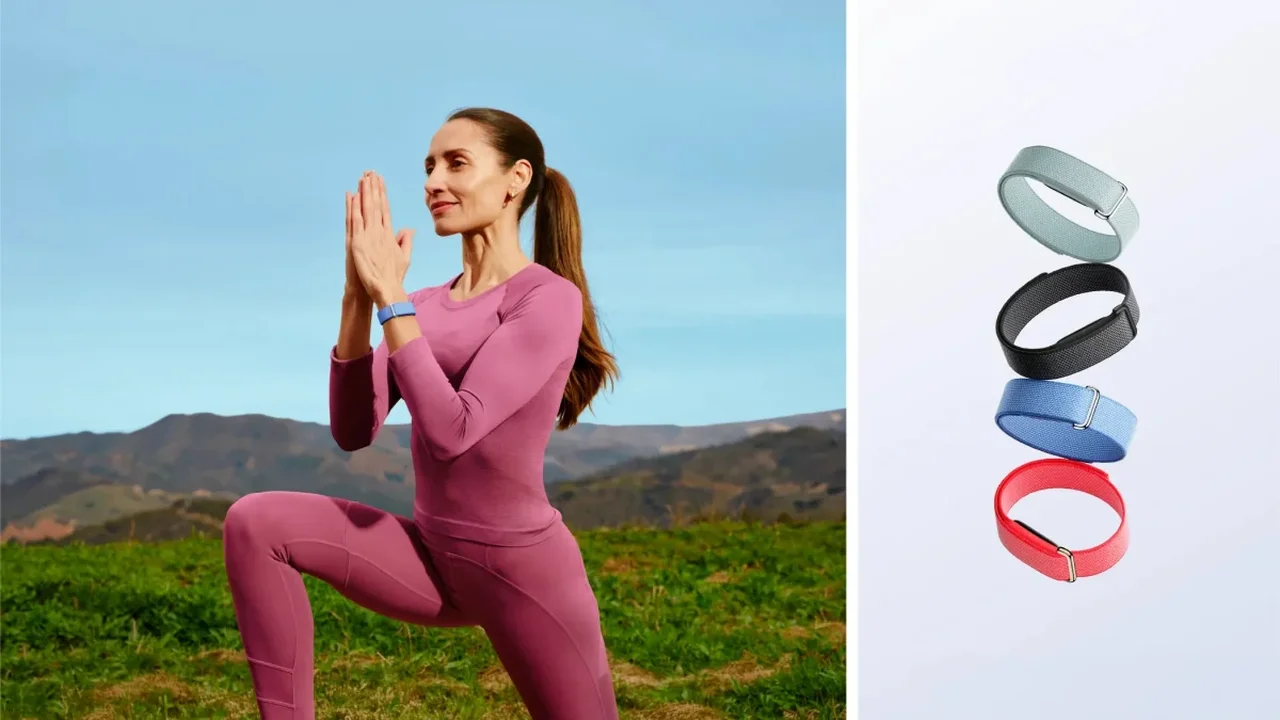
Everyday simplicity: Fitbit Air
The Fitbit Air stands out as an accessible option for daily activity, sleep and workout tracking. Its lightweight, screen-free design, week-long battery life and subscription-free core insights make it suited to users who prefer health data without constant notifications.
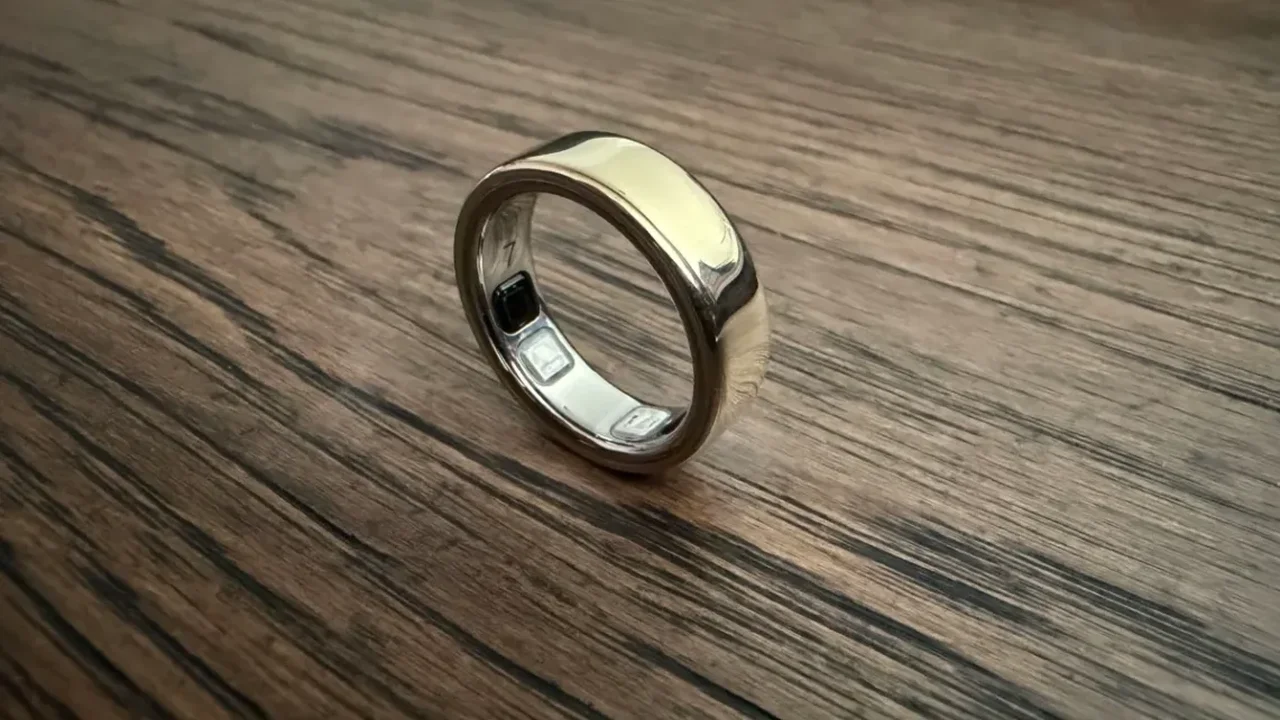
Premium wellness: Oura Ring 5
For a more refined wearable experience, the Oura Ring 5 combines a jewelry-inspired form with sleep, activity and recovery insights. Its app focuses on patterns such as bedtime consistency, stress and readiness. It is best suited to people who value passive wellness monitoring over detailed training metrics.
Data-led training: Whoop 5.0
The Whoop 5.0 targets athletes seeking deeper analysis of effort, recovery and habits. It tracks heart-rate zones during exercise and can turn individual goals into structured weekly plans. Its subscription model positions it as a dedicated coaching platform rather than a conventional smartwatch.
Smart value for runners: Coros Pace 4
The Coros Pace 4 offers runners advanced essentials at a relatively accessible level. Dual-band GPS, heart-rate monitoring, navigation tools and voice training logs create a capable package for athletes who want reliable pace and distance data without stepping into premium pricing.
High-performance running: Garmin Forerunner 970
The Garmin Forerunner 970 is built for runners who want a comprehensive training companion on the wrist. Alongside mapping, storage and performance metrics, it includes planning tools and an integrated LED flashlight for practical visibility during early or late sessions.
The strongest choice depends less on brand and more on lifestyle: minimalist tracking for daily routines, recovery analysis for committed athletes, or navigation and live metrics for runners. As wearable design becomes more specialized, these devices could make personal health and training feedback increasingly intuitive in everyday life.