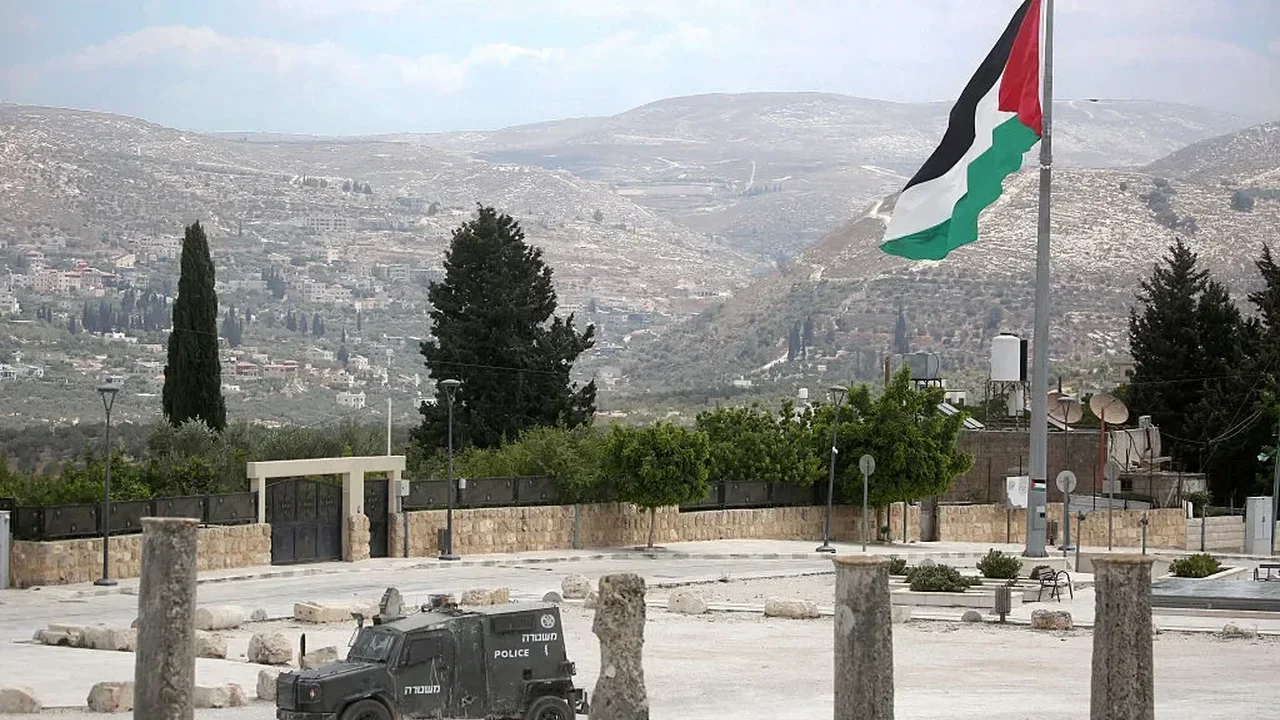
UNESCO has expanded its World Heritage List by recognizing the archaeological site of Sebastia in the occupied West Bank and a group of historic castles in southern Lebanon, while also placing both entries on the List of World Heritage in Danger.
The decision was taken during a committee meeting in Busan, South Korea. UNESCO said the move reflects the urgent need to safeguard cultural landmarks facing pressure from conflict, development, and long-term conservation challenges.
Sebastia, near Nablus, is known for layers of history stretching across the Iron Age, Roman, Byzantine, and Islamic eras. UNESCO highlighted concerns about land-use changes and the possible fragmentation of the site, which has been under nomination since 2012.
In Lebanon, Beaufort Castle and other Crusader-era fortresses in the Mount Amel region were included for their historical value and vulnerability. UNESCO noted that these structures represent rare and well-preserved examples of medieval architecture in the Near East.
The committee also placed the ancient city of Tyre on the danger list, underscoring the need to preserve its Phoenician and Roman heritage amid mounting conservation pressures.
This latest decision reinforces the role of global heritage protection in preserving shared human memory, and it may shape stronger preservation strategies for culturally significant sites in the years ahead.