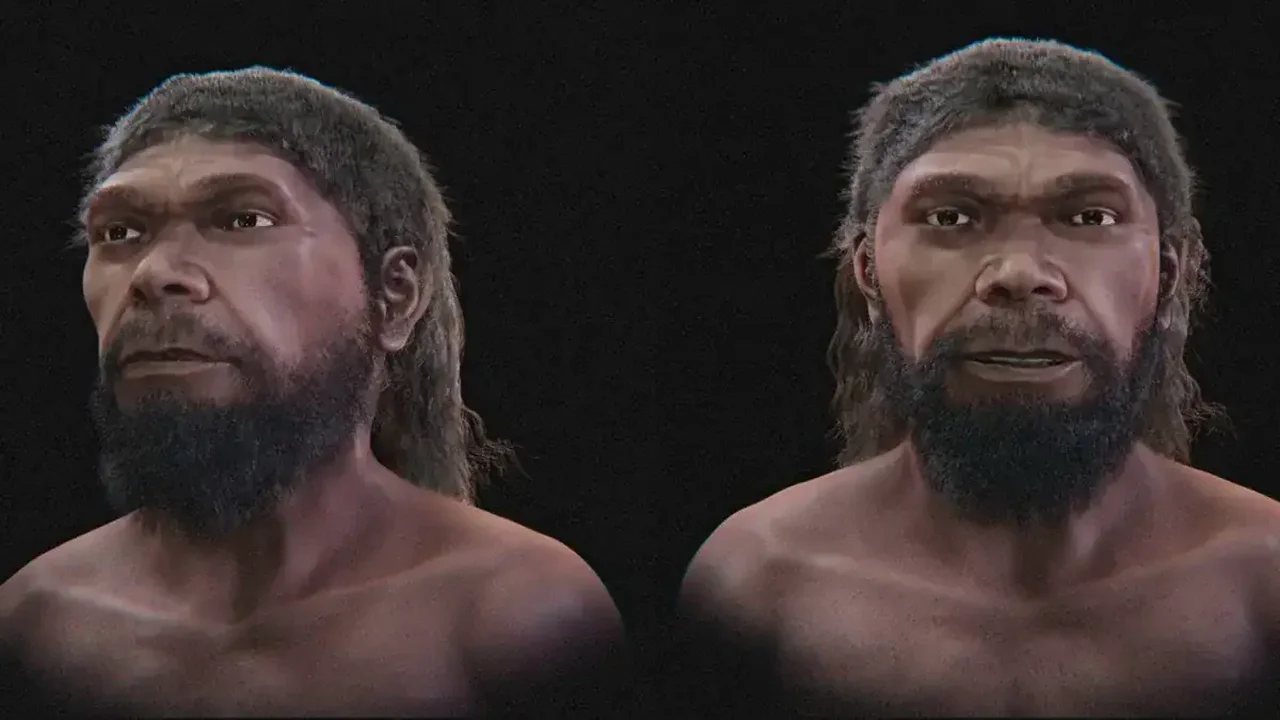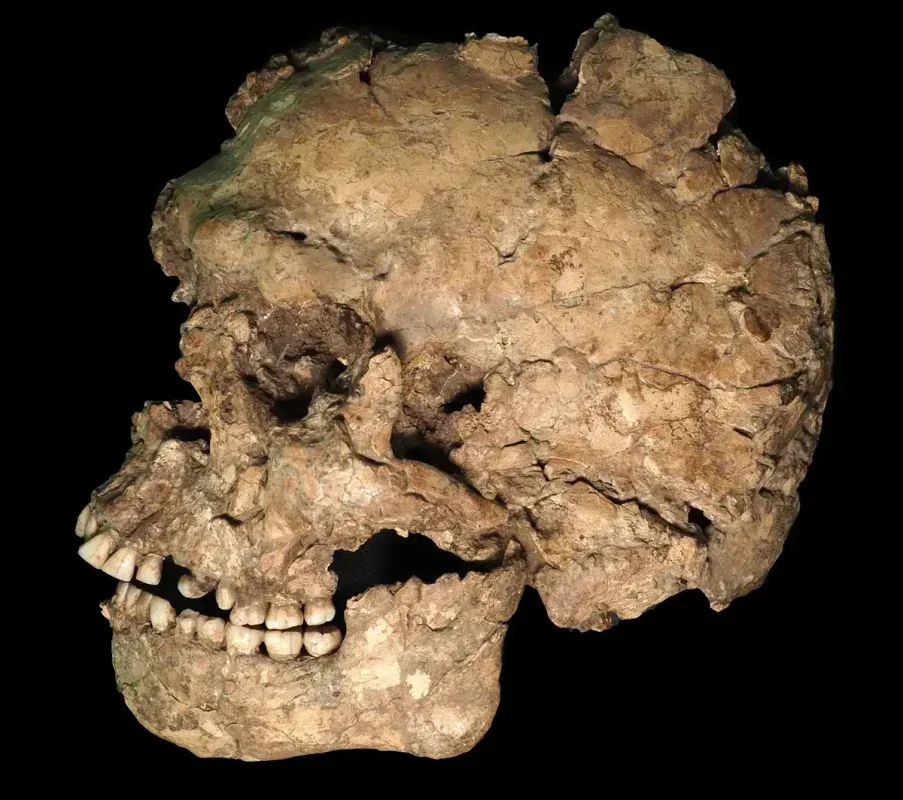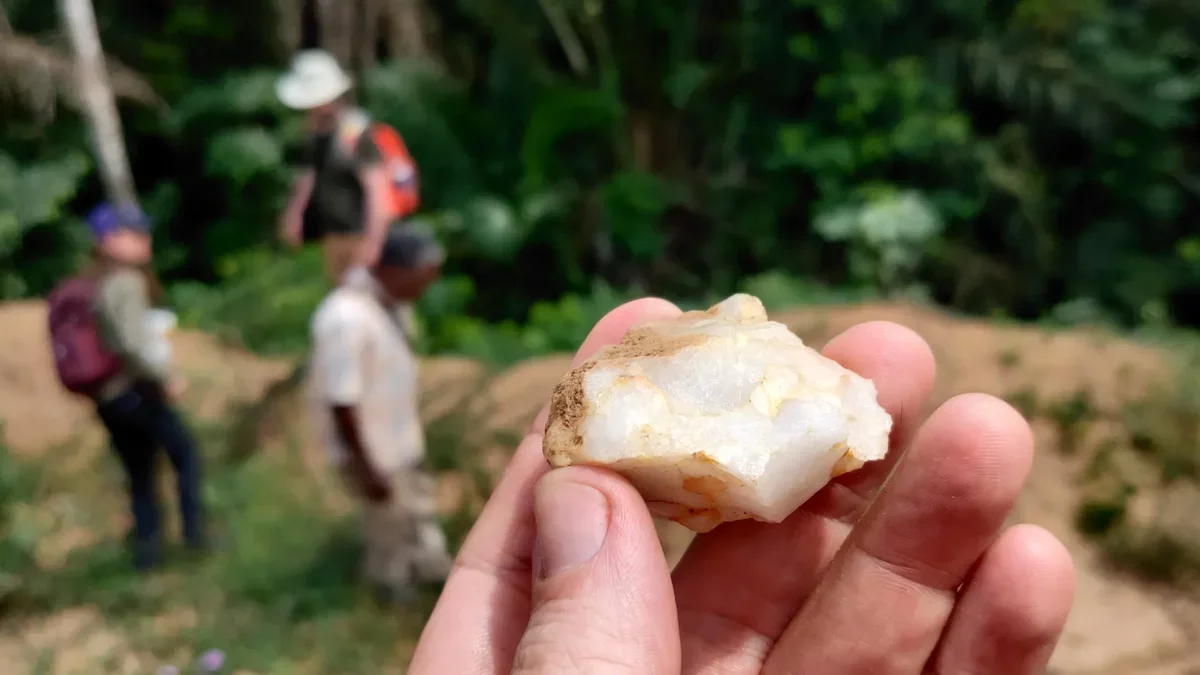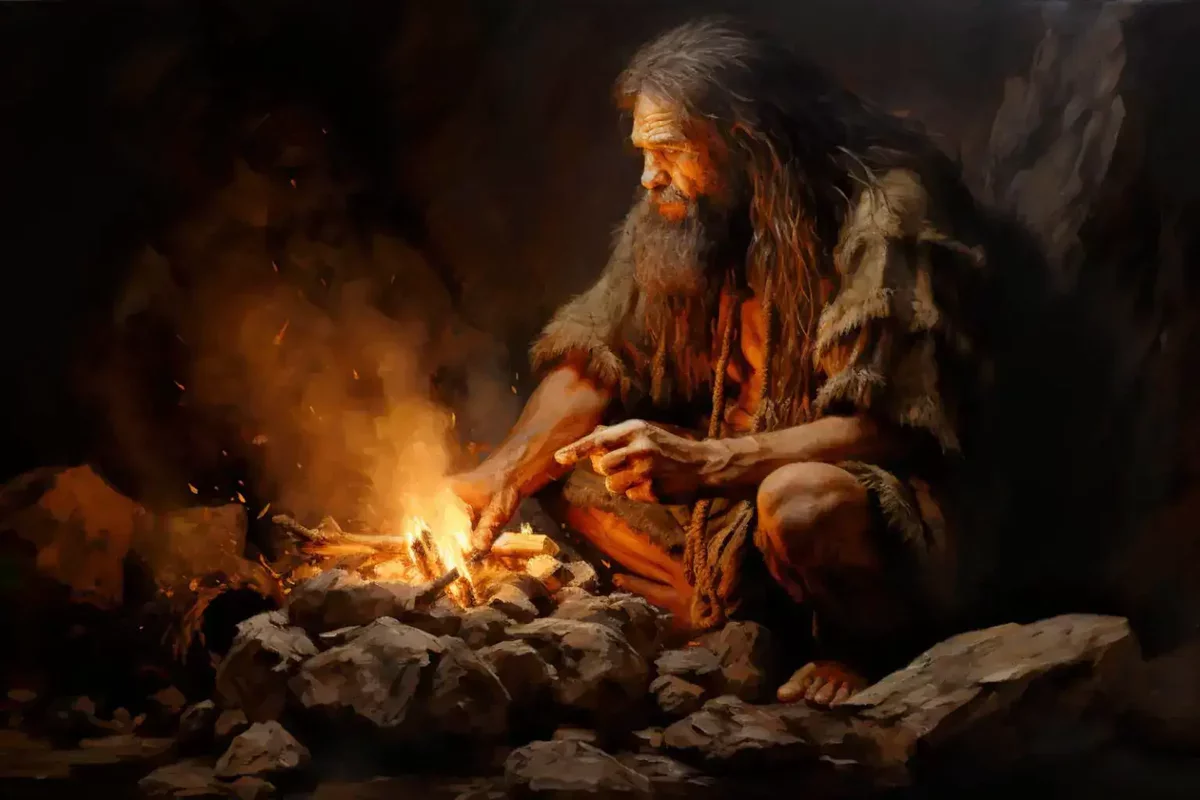
Recent discoveries at Tinshemet Cave reveal a remarkable aspect of our evolutionary past: the coexistence and cultural collaboration between Homo sapiens and Neanderthals. This groundbreaking research indicates that these two groups not only shared their living spaces but also engaged in joint activities such as hunting, tool-making, and mourning rituals.
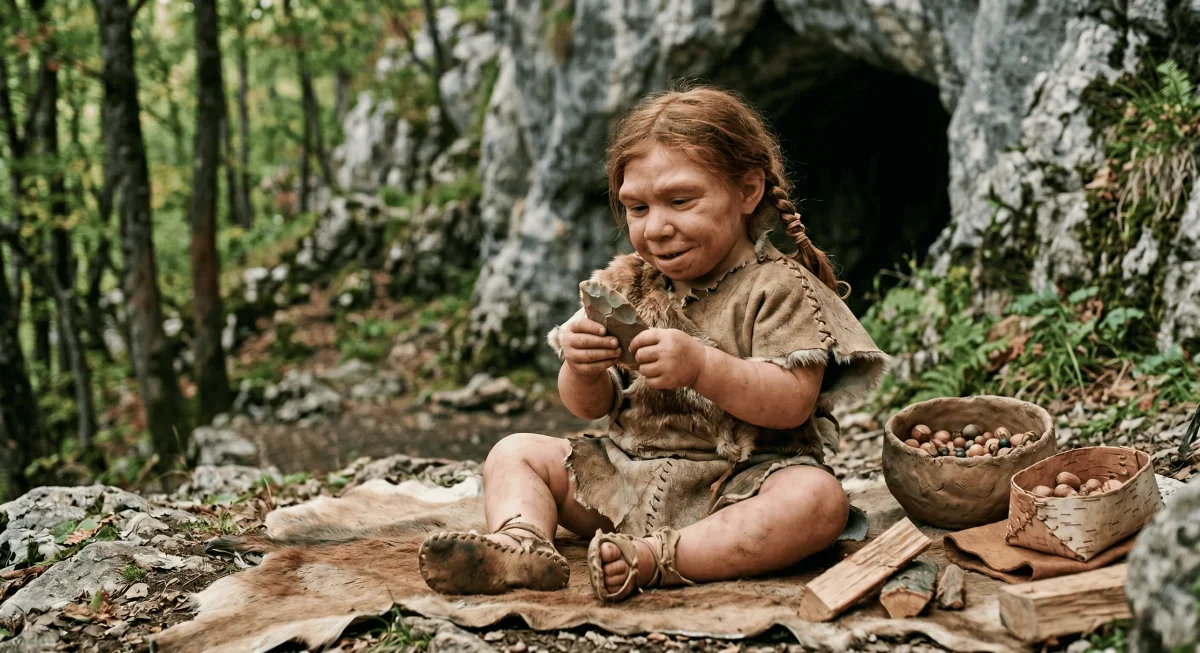
The findings challenge long-held perceptions of Neanderthals as brutish and unsophisticated. Instead, evidence shows they crafted intricate tools, adapted to their environments, and likely participated in symbolic behaviors. Excavations at Tinshemet Cave suggest that both species formed a cohesive cultural complex around 130,000 to 80,000 years ago, as indicated by overlapping fossil remains and shared biological markers.
The Interconnected Cultures
Archaeologists have long relied on stone tools to identify cultural groups, but the artifacts found at Tinshemet Cave reveal a surprising uniformity. Both Homo sapiens and Neanderthals utilized the same advanced techniques, specifically the centripetal Levallois method, which requires significant skill and foresight. This suggests a transmission of knowledge across generations, indicating a shared cultural heritage.
This shared technology points to a focused hunting strategy aimed at large game such as aurochs and wild horses, reflecting a high level of social cooperation. The collaborative efforts of both species likely played a crucial role in their survival, as hunting such formidable animals necessitates teamwork.
Rituals and Symbolism
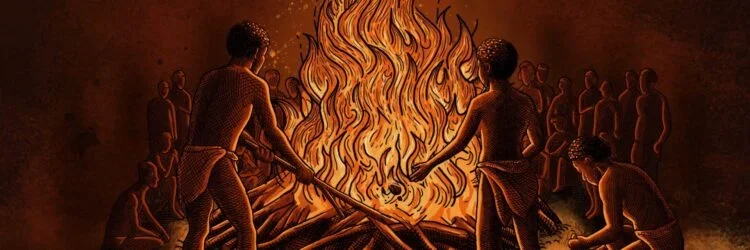
The cultural ties between these groups are further evidenced by burial practices at the site, where two skeletons--an adult and a child--were found in ritualistic fetal positions. Additionally, over 7,500 ochre fragments were discovered, which were intentionally transported to the cave, suggesting a shared symbolic language or ritualistic practices among the populations.
Similar burial customs have been identified at other archaeological sites, reinforcing the idea of a common culture that transcended biological differences. This connection illustrates how both groups may have shared beliefs and practices, enriching their social fabric.
Redefining Our Ancestral Narrative
The ongoing research at Tinshemet Cave, led by experts from the Hebrew University of Jerusalem and Tel Aviv University, aims to unravel the complexities of interactions between Neanderthals and Homo sapiens. Rather than a simple narrative of competition, these findings suggest a more intricate web of cultural exchange and collaboration.
This exploration into our shared past not only reshapes our understanding of human evolution but also highlights the importance of connectivity and cooperation. It suggests that our ancestors thrived through collaboration, allowing them to navigate the challenges of their environment together. As we continue to uncover the layers of our history, we may find that the bonds formed between these ancient peoples have profound implications for how we view our own interconnectedness today.