American breweries are exploring a fresh middle ground between traditional beer and alcohol-free alternatives: ultra-low alcohol beer. Often called "mid-strength" internationally, these brews typically contain between 2.5% and 3.5% ABV, offering a lighter option without removing alcohol entirely.
The movement reflects changing consumer habits. Many people are looking to moderate their alcohol intake while still enjoying the familiar flavour, ritual and social experience of beer. Unlike fully alcohol-free products, ultra-low alcohol beers aim to preserve the body, aroma and finish associated with conventional brewing.
A challenging new brewing space
Creating a balanced beer below 3% ABV requires considerable technical precision. Alcohol contributes to flavour delivery, stability and texture, so brewers must carefully adjust ingredients and fermentation methods to maintain a satisfying profile at lower strength.
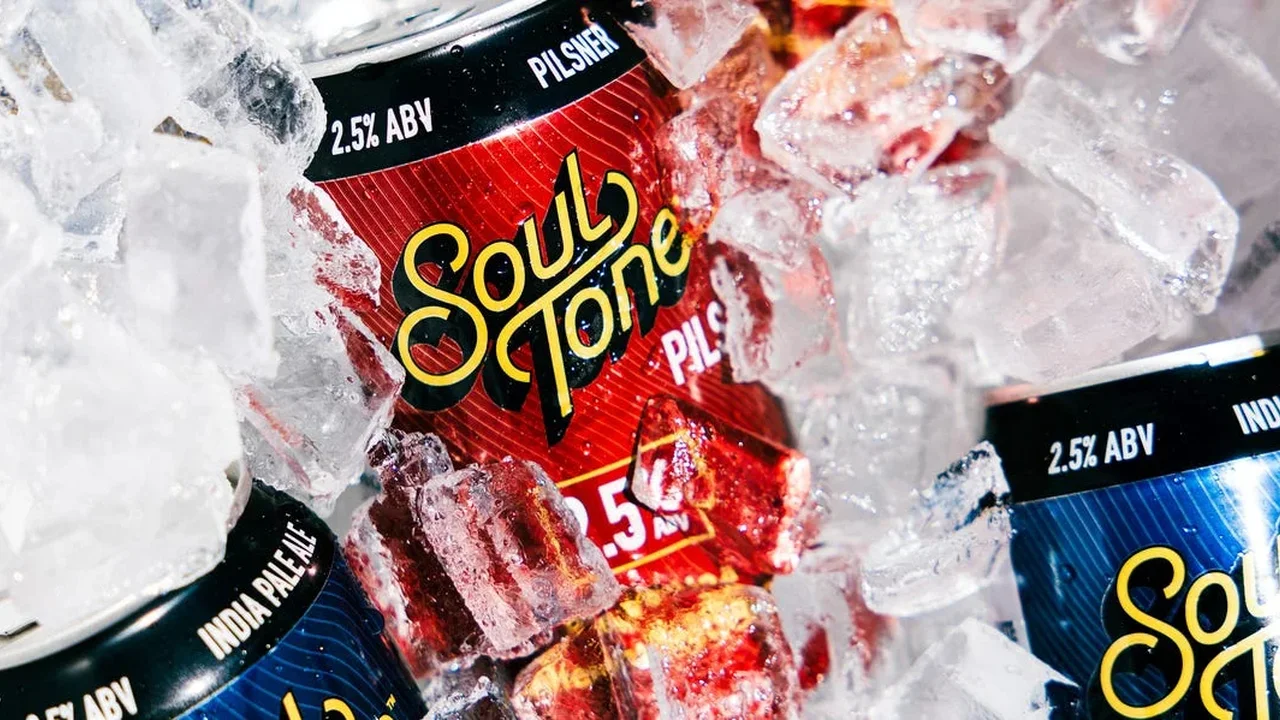
Sierra Nevada recently introduced Go-Two, a 2.8% ABV IPA designed as a full beer first, rather than a reduced or diluted version. Meanwhile, Sly Fox Brewing Company expanded its range with 2.5% ABV Soul Tone IPA and Soul Tone Pils, showing that hop-forward and crisp lager styles can also work in this emerging format.
Flavour remains the central focus
These beers are not positioned simply as "light" products. They can retain bright hop character, citrus notes and a clean finish, while avoiding the heavier feel often associated with higher-strength IPAs. Calorie and carbohydrate levels vary by recipe, but the reduced alcohol content offers a different balance for consumers seeking moderation.
More breweries are now testing lower-ABV releases across styles, including IPAs, pilsners and potentially darker seasonal beers. The category's appeal lies in flexibility: consumers can choose a beer that suits longer social occasions, active lifestyles or a more measured approach to drinking.
As brewing innovation improves flavour at lower alcohol levels, mid-strength beer could become an important part of a more diverse, choice-driven drinking culture.