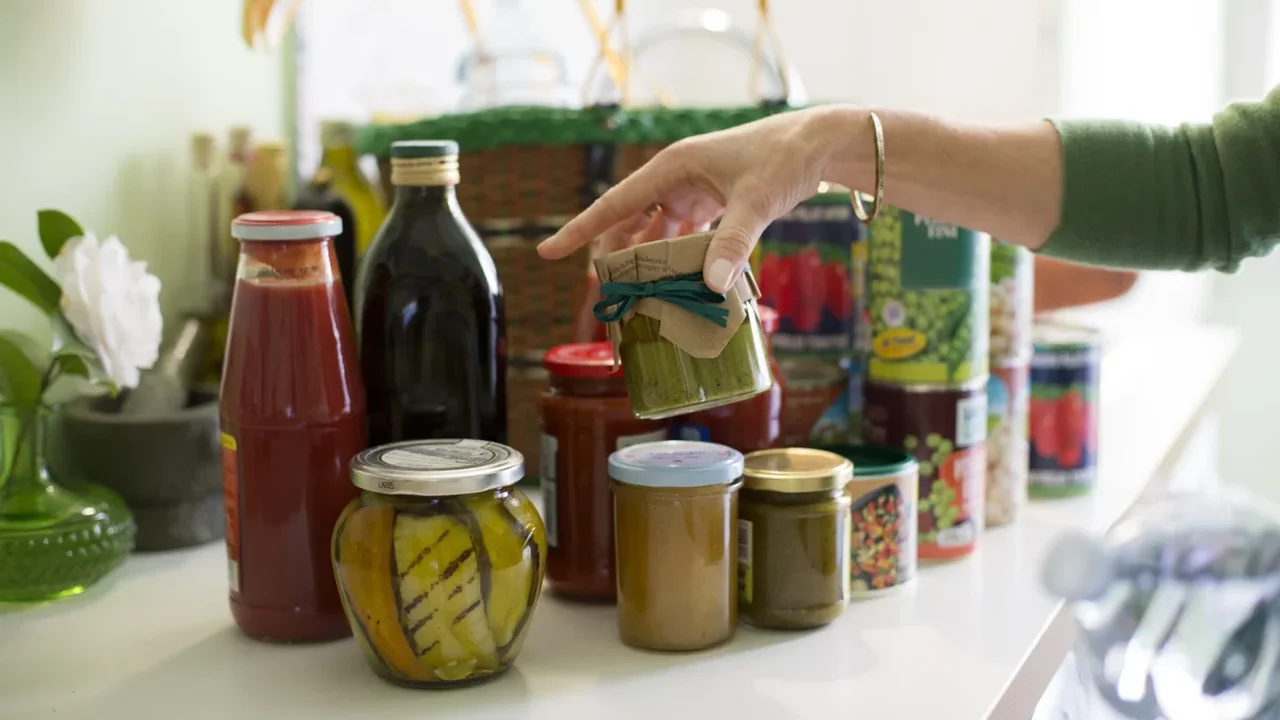
Processed food is part of modern life, but processing alone does not determine whether a meal supports a balanced diet. From frozen vegetables and canned beans to packaged sauces and ready-to-eat snacks, foods exist on a broad spectrum of preparation.
Focus on nutrition, not food labels
Rather than sorting every product into "good" or "bad" categories, a more practical approach is to consider its nutritional role. Frozen produce can offer a convenient way to keep fruits and vegetables available at home, while pasteurized dairy, canned legumes and prepared proteins can make everyday meals easier to assemble.
The NOVA classification, often used to describe levels of food processing, can help examine food systems. However, it does not always reveal the complete nutritional value of an individual product. A food's ingredients, portion size and place within an overall eating pattern can be more useful indicators.
Read labels with clear priorities
For people building more intentional eating habits, the Nutrition Facts label can be a valuable tool. Added sugar and sodium are two useful figures to review, especially in packaged snacks, drinks and restaurant-style meals. Protein, fiber and serving size can also help shape more satisfying choices.
Fat is another area where context matters. Foods with fat may be filling and enjoyable, while the overall balance of a meal remains important. Similarly, carbohydrates can be useful daily energy sources, particularly for active lifestyles, even though some fast-digesting options may suit certain routines better than others.
Convenience can support consistency
Healthy routines do not require every meal to be prepared from raw ingredients. A quick dinner of rotisserie chicken, frozen vegetables, whole-grain pasta and jarred sauce may be more realistic than an ambitious recipe after a busy day. Planning accessible meals can also reduce reliance on impulse purchases when hunger arrives.
Ingredients with technical names are not automatically a concern; many are familiar nutrients, flavoring components or preservatives used to maintain quality. The key is to make choices that align with personal needs, preferences and daily rhythms without unnecessary guilt.
A thoughtful relationship with processed food can make balanced eating more flexible, accessible and sustainable--an approach likely to shape the future of everyday nutrition around informed choice rather than strict rules.