Drones are increasingly recognized as pivotal tools in contemporary defense strategies, capable of reconnaissance, target acquisition, and precision strikes at a fraction of the cost of traditional aircraft. The challenge of detecting these unmanned vehicles is crucial, as enhanced stealth can shift the dynamics of engagement. A small Turkish defense firm has announced a promising development in this area: a spray-on coating designed to make drones less detectable by radar.
This innovative material, named Kürşat 3.0, was created by researcher Yunus İnce. Preliminary tests suggest that it achieves an impressive reduction of 43.2 decibels in radar return, a significant achievement for a broadband radar-absorbing coating, pending further validation.
Understanding the Spray-On Coating
Radar technology operates by emitting radio waves and analyzing the reflections that bounce back. A strong reflection indicates a clear target, while a weaker signal complicates detection and tracking. Traditional stealth aircraft utilize geometric designs and radar-absorbing materials (RAM) to minimize reflections.
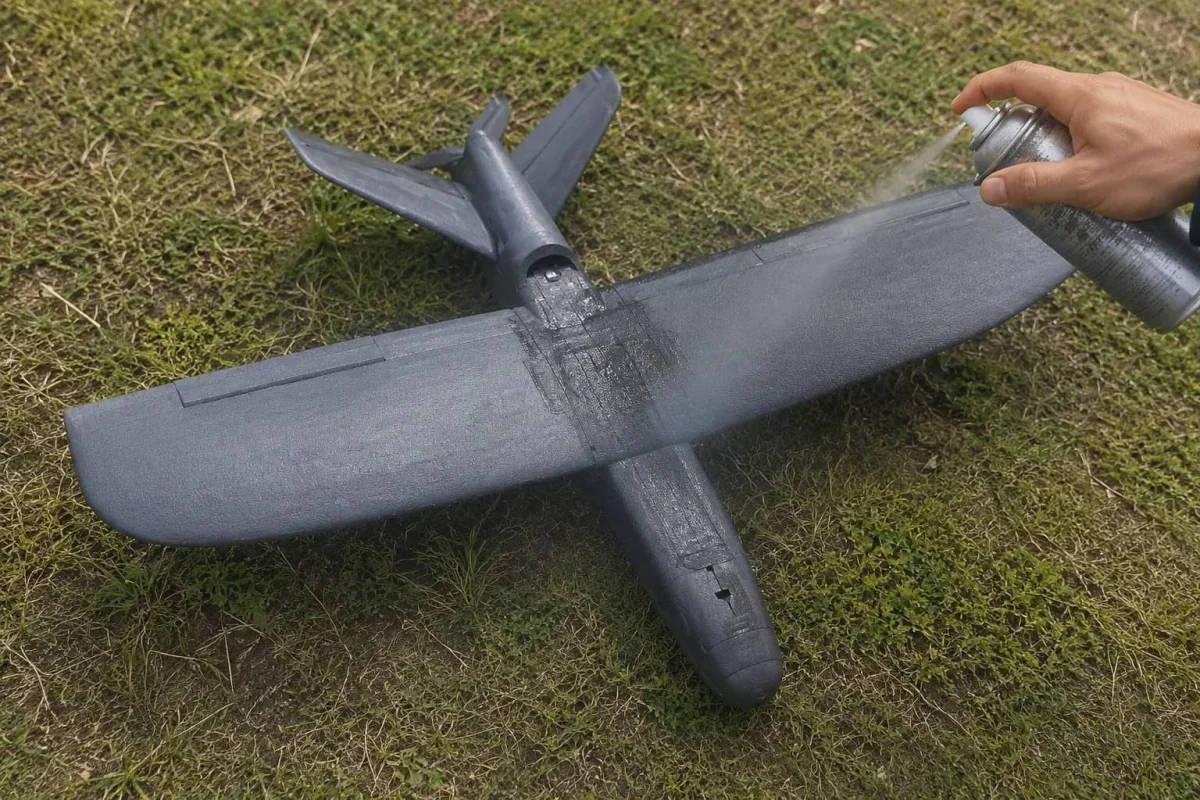
Unlike conventional stealth designs that rely on complex shapes and materials, Kürşat 3.0 offers a novel approach. It can be applied directly to the surface of drones, including those with irregular shapes, much like paint. This application method could eliminate issues related to seams and gaps that often arise with fitted panels.
Composition and Mechanism
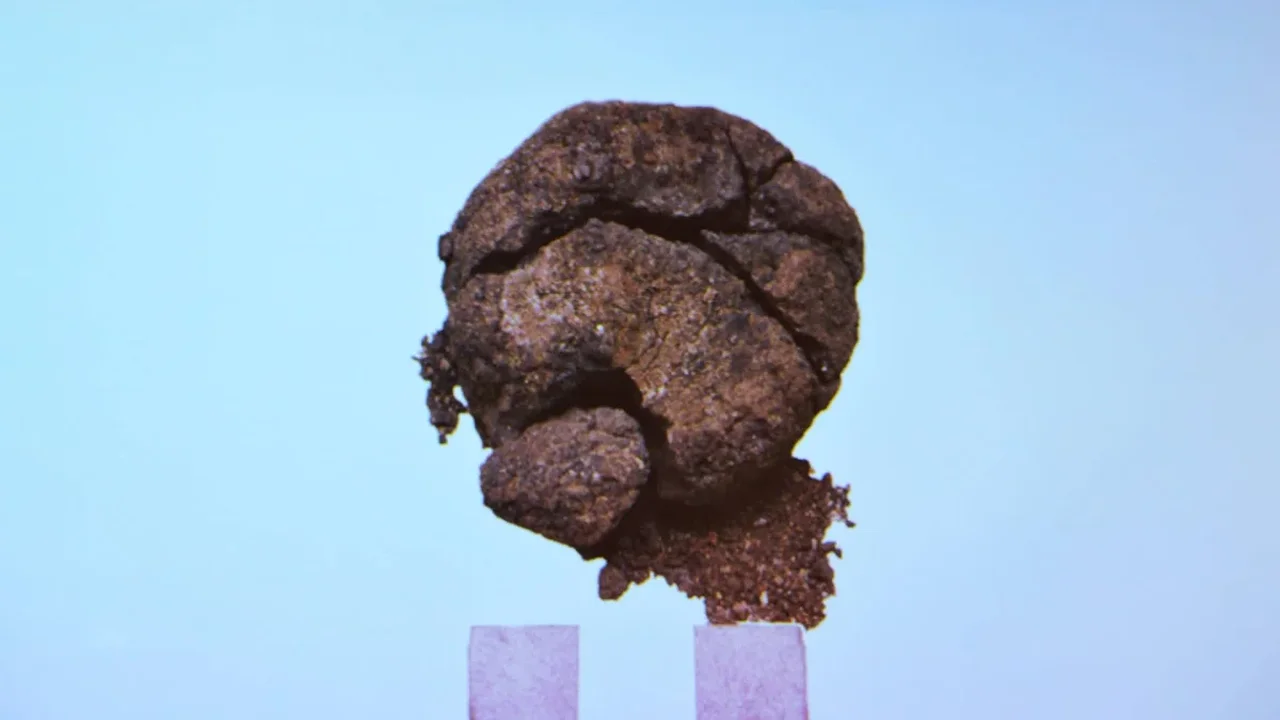
The coating is composed of natural volcanic rocks, specifically basalt and pumice, which possess porous structures. These tiny cavities can theoretically trap incoming radar energy, thereby reducing the amount reflected back. If confirmed, the claimed reduction in radar return would signify a marked improvement in drone stealth capabilities.
However, the effectiveness of the coating is contingent on various factors, including the radar frequency, the thickness of the material, and environmental conditions such as moisture and temperature. Therefore, independent testing is essential to substantiate these claims, as current evidence is primarily based on developer-supplied data.
Potential Impact on Drone Technology
Despite the skepticism surrounding the claims, the implications of this technology could be significant. Drones have transformed military operations, as demonstrated in conflicts like the war in Ukraine, where they have proven invaluable for reconnaissance and direct attacks. A coating that enhances stealth without significantly increasing weight or cost would undoubtedly be attractive to military applications, potentially making drones more challenging to detect and respond to.
While this development is promising, it is important to note that it will not render drones completely undetectable. Drones will still be visible to various sensors, including acoustic and thermal systems. Nevertheless, as we await further validation, Kürşat 3.0 represents a noteworthy advancement in the ongoing evolution of drone technology.