Archaeologists from Necmettin Erbakan University have identified what may be the oldest known bread found so far, uncovered at the Neolithic settlement of Çatalhöyük in central Turkey. The find dates back about 8,600 years, offering a rare glimpse into early food culture.
A remarkable Neolithic find
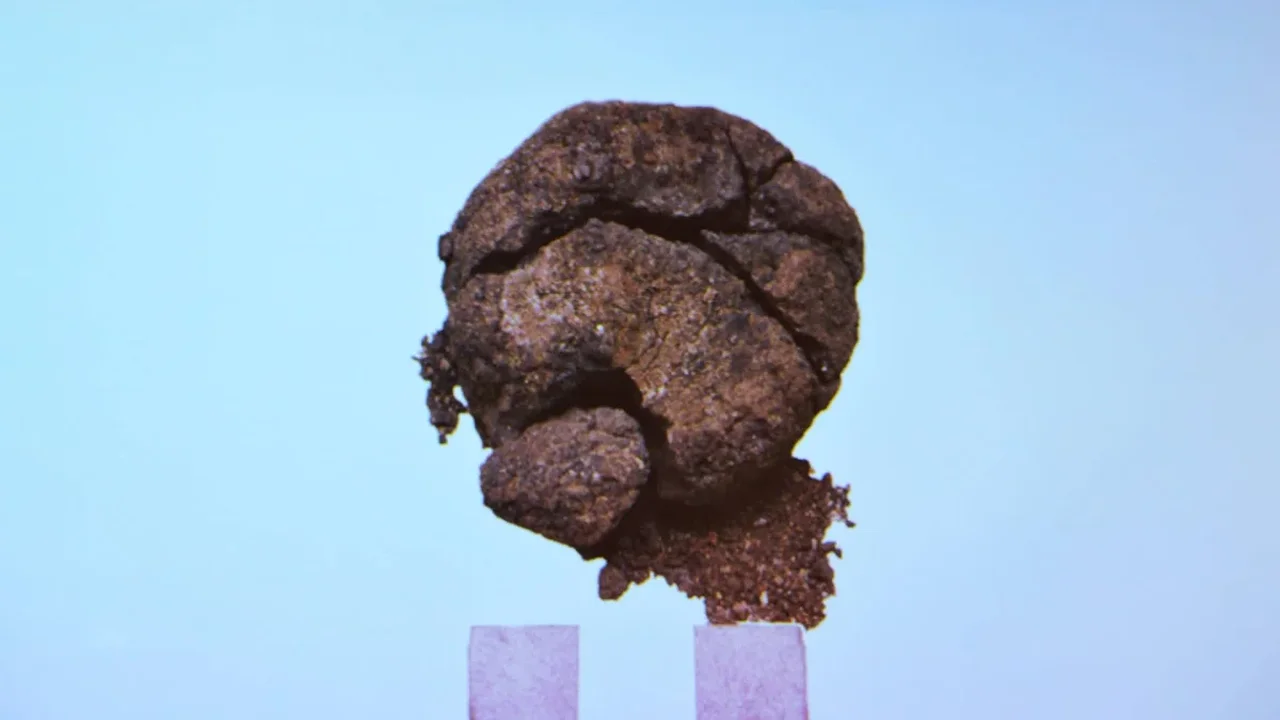
The object was recovered in the Mekan 66 excavation area, near an ancient oven inside a clay-covered structure. Around it, researchers found wheat, barley and pea seeds, along with a soft, porous residue. Microscopic analysis suggested the material was fermented dough that had never been baked.
According to the research team, the sample showed air bubbles, starch traces and chemical markers linked to cereals and fermentation. A finger impression in the center added to the sense that this was a shaped piece of food prepared by hand and then left unfinished.
Why Çatalhöyük matters
Çatalhöyük, near modern Konya, is one of the best-preserved Neolithic settlements in the world and a UNESCO World Heritage site. First explored in the 1960s, it has long been known for its dense architecture and evidence of early farming communities that cultivated grains and raised sheep and goats.
The new discovery adds another layer to that story, showing that bread-making and fermentation were already part of daily life in early agrarian societies. It also suggests that food innovation in Anatolia was more advanced than previously imagined.
Looking back to look forward
While other ancient bread-like remains have been documented elsewhere, this find stands out as the clearest early example of fermented bread identified to date. Researchers and chefs in Turkey have already begun exploring modern recreations inspired by the ancient recipe, using local grains and legumes.
As archaeology continues to reveal the roots of cooking and agriculture, discoveries like this may reshape how we understand the origins of shared food traditions in the future.