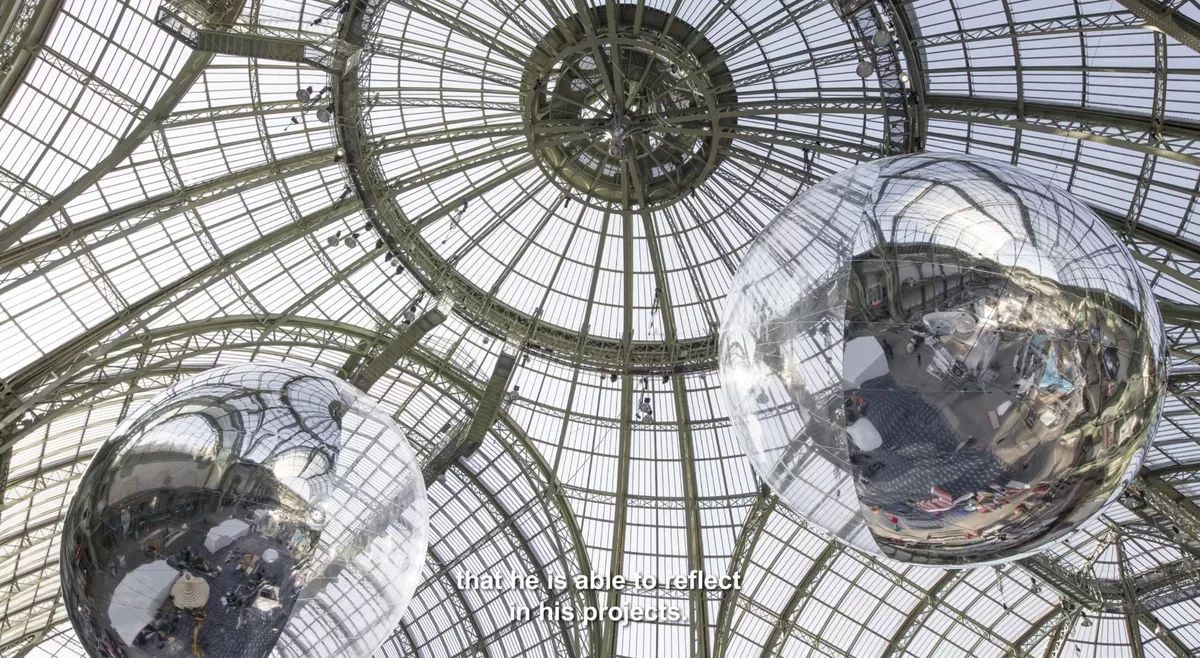
Argentine-born, Berlin-based artist Tomás Saraceno brings art, architecture and scientific curiosity together in Ancestral Futures, a major exhibition at Haus der Kunst in Munich. Spanning more than two decades of work, the presentation considers how inherited knowledge can help shape more connected ways of living.
Art as a living network
Saraceno's practice often draws on spider webs, air currents and collective systems to make complex ecological relationships tangible. His interactive installations invite audiences to consider the links between humans, other species and the environments they share.
One long-running series, Webs of At-tent(s)ion, creates space for spiders to build their own structures within the museum. These evolving works turn natural processes into active participants, highlighting patterns of cooperation, adaptation and interdependence.
Participation, materials and movement
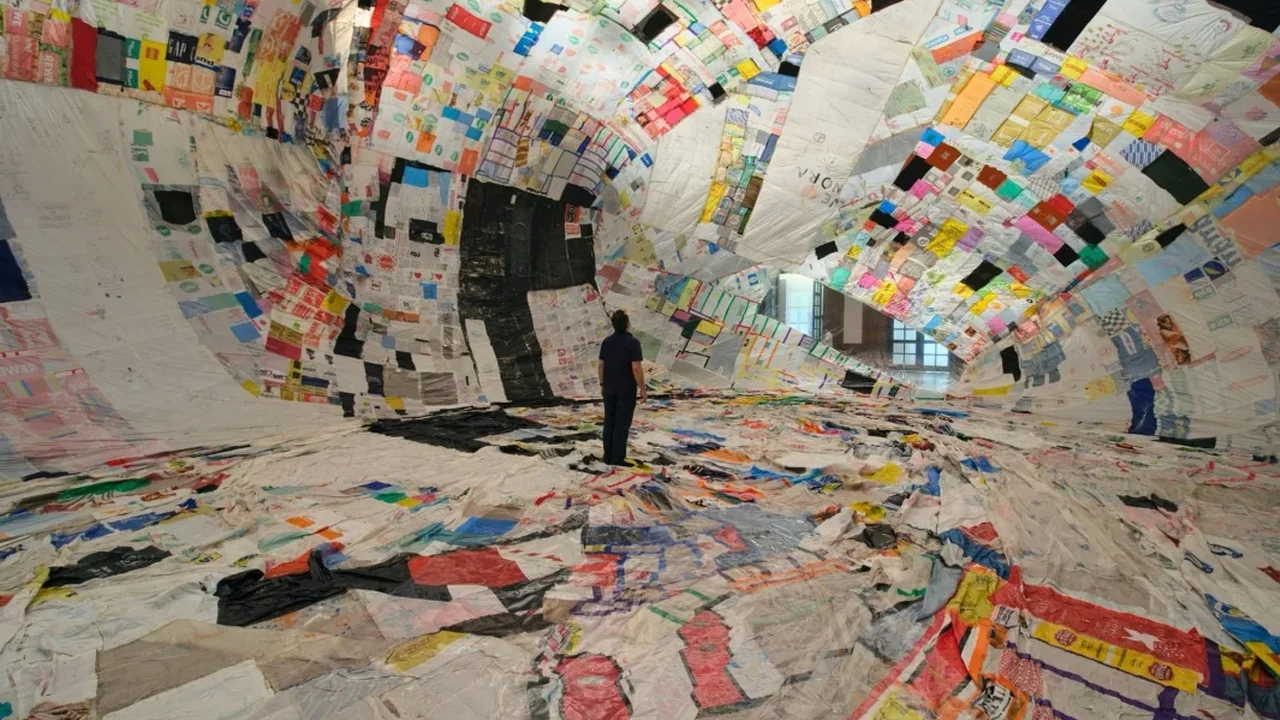
The exhibition also includes an inflatable environment assembled from reused plastic bags. Visitors help activate the installation by pedaling stationary bicycles, transforming physical participation into a shared energy source. Inside, the patchwork material encourages reflection on everyday objects, reuse and collective responsibility.
A central part of the project stems from Saraceno's ongoing exchange with Indigenous communities in Salinas Grandes, northwestern Argentina. Handwoven textiles created by eleven weavers form a welcoming space within the exhibition, while installations using sand, salt and water evoke the region's distinctive landscape and knowledge traditions.
Related works connect to The Sanctuary of Water, a collaborative land-based initiative centered on water as a unifying element across land, sky, time and community. Through this approach, Saraceno expands the role of the artist from individual author to facilitator of dialogue among people, materials and ecosystems.
Ancestral Futures demonstrates how participatory art can turn ecological thinking into a shared experience, inspiring future cultural spaces to become places for collaboration, care and new environmental imagination.