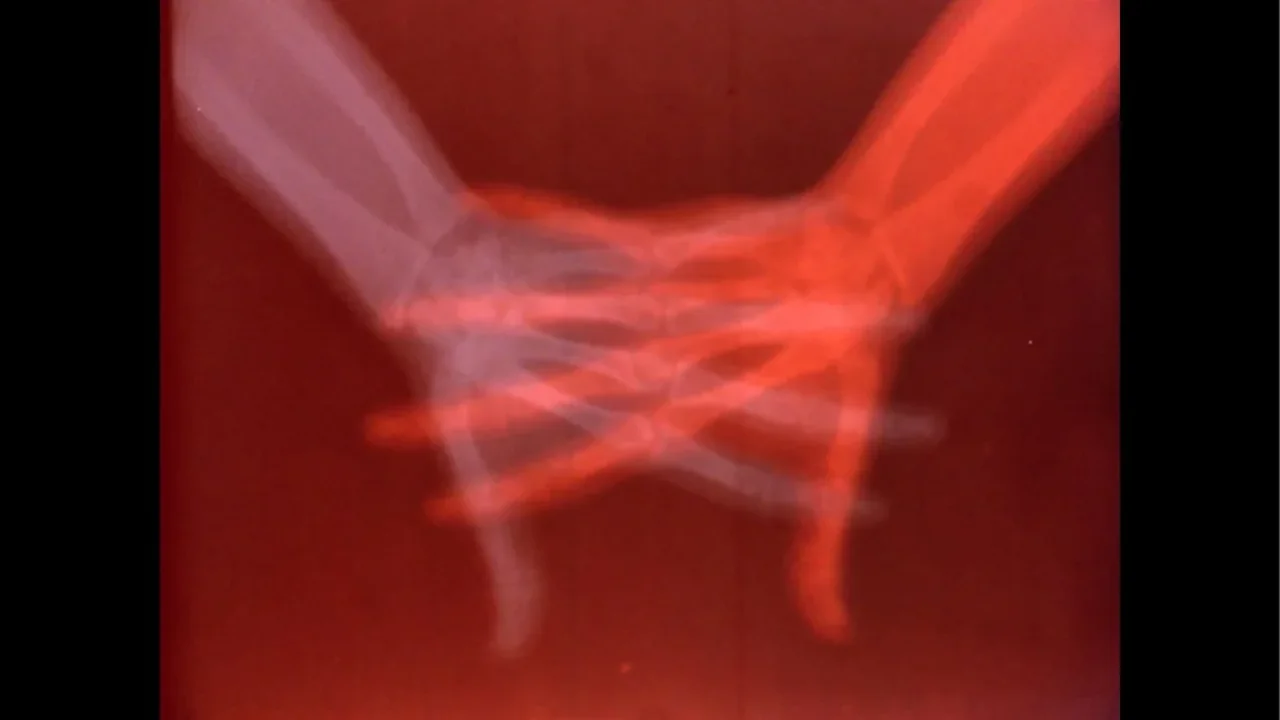
The Museum of the Moving Image presents Overexposed: Art, Technology, and the Body, an exhibition examining how cinema and medical imaging have reshaped perceptions of the human body.
From the late 19th century onward, moving images made it possible to record motion in unprecedented ways, while X-ray technology opened a new visual pathway into the body's internal structures. Together, these inventions expanded both scientific observation and artistic imagination.
Where Science Meets Creative Vision
Curated by Sonia Shechet Epstein, the exhibition brings together historical research films and contemporary works by 16 artists. It considers how imaging technologies influence ideas of care, identity, visibility, and the relationship between the body and innovation.
The selection spans more than a century of experimentation, connecting early cinematic studies and pioneering radiographic discoveries with works by artists including Barbara Hammer, Panteha Abareshi, Zuza Banasinska, Ana Mendieta, and Lucien Castaing-Taylor with Verena Paravel.
Supporting programs extend the exhibition's themes through conversations and film presentations focused on medical visualization and the evolving language of the body in moving-image culture. A related publication, edited by Epstein and Elisabeth Sherman, accompanies the project.
Overexposed remains open through January 3, 2027, inviting visitors to consider how tools designed to reveal the unseen can also inspire new forms of cultural expression. The exhibition signals a future in which scientific imaging and art may continue to deepen public understanding of the human experience.