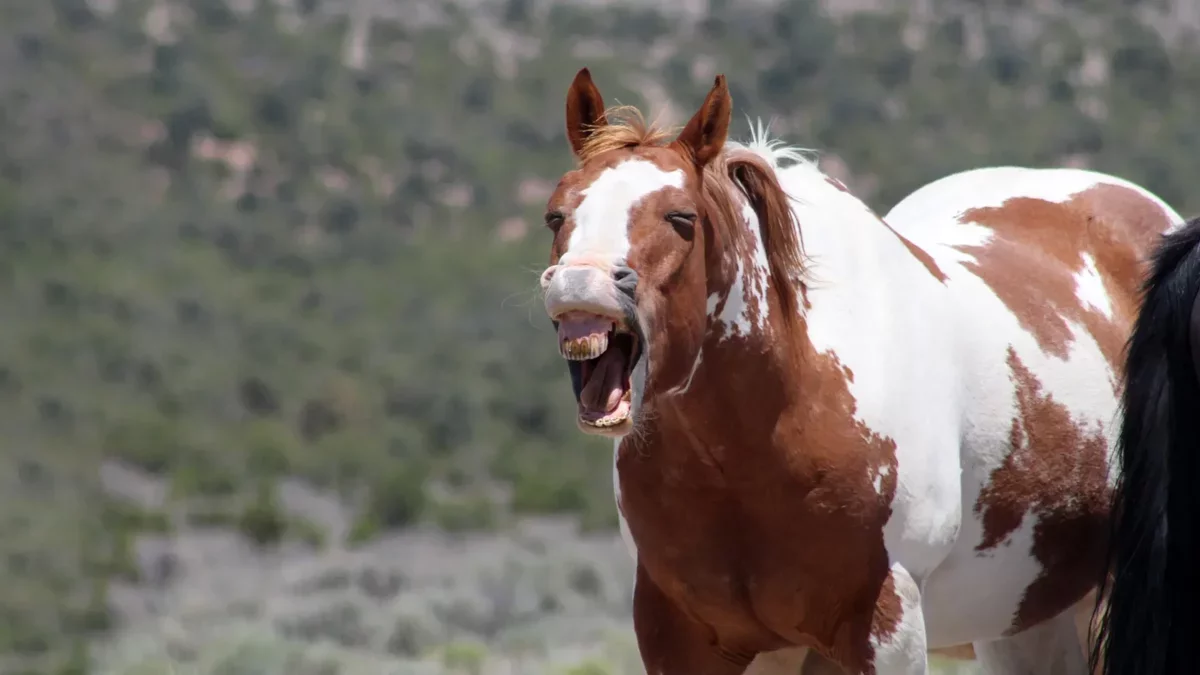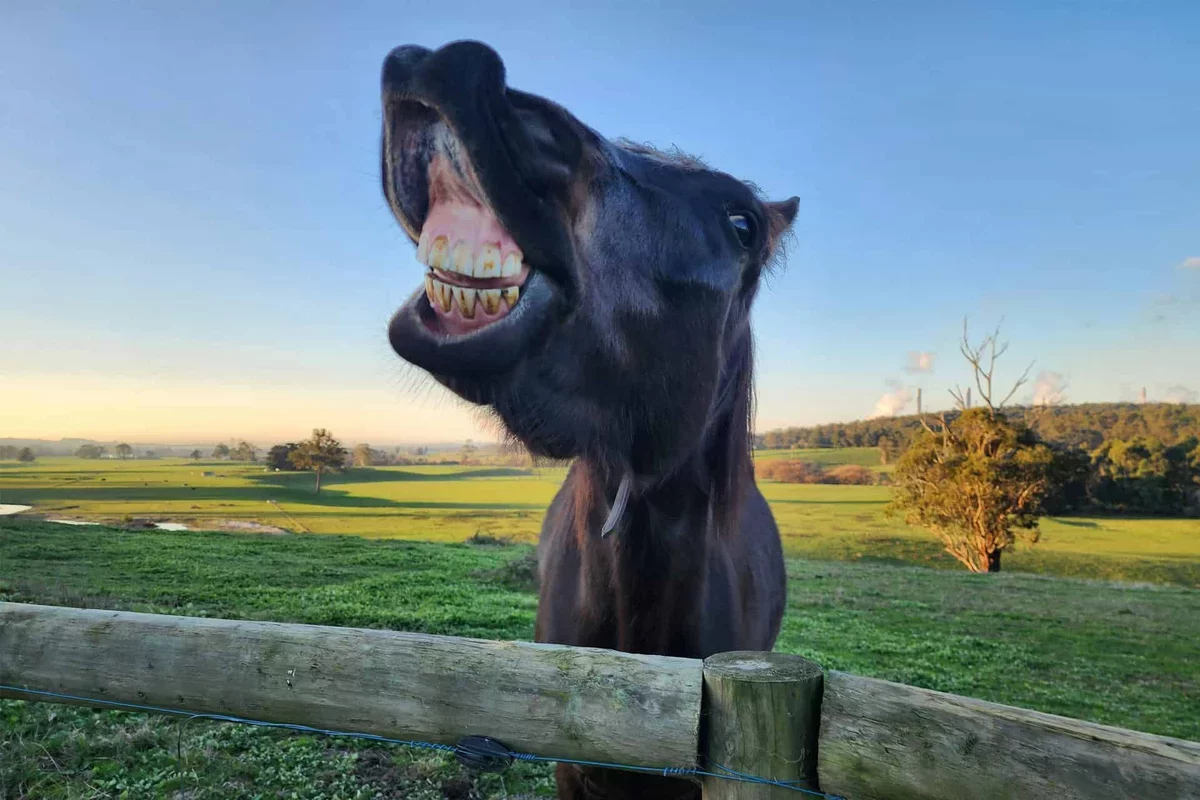
Have you ever stopped to listen to a horse's whinny? This distinctive sound is a remarkable phenomenon in nature--sharp yet deep, creating an impression that two animals are calling simultaneously. While many of us accept it as just a horse's vocalization, a closer examination reveals an intriguing complexity.
Research has shown that a horse's whinny consists of two distinct tones produced at the same time, a phenomenon known as biphonation. This is not merely an echo or overlapping sounds; rather, it involves the horse's throat generating two unique frequencies simultaneously. For years, the mechanics behind this dual sound remained a mystery.
Typically, large animals are designed to emit low, resonant calls, so the high-pitched whistle of a horse seems counterintuitive. Each whinny combines a deep rumble with a sharp, whistle-like tone, prompting scientists to investigate the source of this unusual sound.
In a groundbreaking study, researchers sought to uncover the mechanics of a horse's vocalization by observing stallions on a stud farm in Switzerland. Using a thin endoscopic camera, they captured the intricate processes occurring in the horses' throats as they responded to sounds of mares.
The footage revealed that while the vocal folds vibrated to create the low-frequency rumble (approximately 200 hertz), cartilage structures above the larynx tightened, narrowing the airway. This narrowing allowed air to rush through quickly, generating the higher pitch above 1,000 hertz.
To validate their findings, the researchers conducted experiments using horse larynges obtained from a meat supplier. They demonstrated that both tones could be produced by the larynx alone. A pivotal test involved replacing air with helium, which confirmed that the high-frequency whistle is indeed an aerodynamic sound, not merely a result of tissue vibration.
CT scans revealed a previously undocumented cavity above the vocal folds, suggesting that air may swirl within this space, potentially forming a vortex that aids in producing the whistle. Further observations indicated that horses affected by certain vocal fold conditions retained their ability to produce the high whistle, reinforcing the idea that the two sounds originate from different mechanisms.
This research not only sheds light on the fascinating vocal capabilities of horses but also hints at the emotional complexity behind their whinnies. It suggests that different frequencies may convey distinct emotional messages, enhancing our understanding of horse behavior and communication.
Ultimately, this study opens avenues for improving animal welfare by providing clearer insights into equine vocalizations, which could assist in monitoring stress and emotional states in horses.