Recent archaeological findings near Hadrian's Wall have revealed an intriguing aspect of Roman life: numerous phallic symbols carved into the ancient fortification. Discovered by researchers from the University of Newcastle, these carvings date back to A.D. 207 and were likely intended as good luck charms.
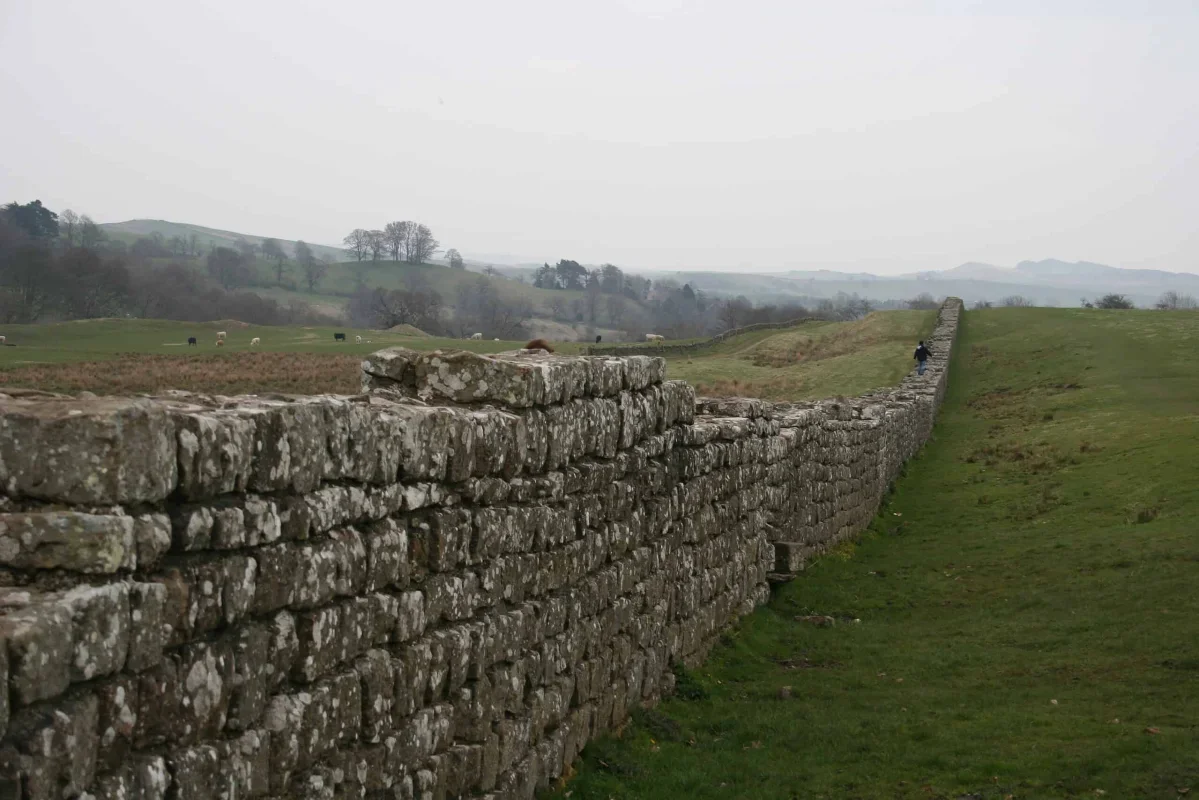
Hadrian's Wall, a monumental structure stretching 73 miles across northern England, served as a vital boundary for the Roman Empire, separating it from the tribes to the north. This impressive fortification, which inspired the famed wall in Game of Thrones, was manned by Roman soldiers tasked with maintaining control over this frontier.
Interestingly, alongside their military duties, soldiers also engaged in a unique form of expression through the creation of phallic graffiti. These symbols, known as fascinum, were believed to offer protection against the evil eye and bring good fortune to those who encountered them.
Phallic Symbols as Protective Talismans
Archaeologist Rob Collins has cataloged an impressive 57 stone-carved phalli along the wall, showcasing a range of styles from simple sketches to intricate relief carvings. These symbols were strategically placed near forts, bridges, and supply centers, highlighting their significance in Roman military culture.
Locations such as Vindolanda and Corbridge, key military sites, have yielded several examples of these carvings, suggesting that they served more than just as idle doodles. The presence of these phallic symbols at vulnerable points indicates a belief in their protective powers against potential threats.
Collins notes, "These inscriptions are probably the most important on the Hadrian's Wall frontier. They provide insight into the organization of this vast construction project and offer a glimpse into the human experiences of those who lived and worked there."
Beyond their protective connotations, some phallic carvings also contained humorous elements. For instance, a sandstone slab discovered at Vindolanda bore an insult directed at a soldier named Secundinus, suggesting that humor and camaraderie were also part of life along the wall.
In a fascinating twist, researchers are now utilizing advanced imaging techniques to create 3D models of these ancient carvings, ensuring their preservation for future generations. This innovative approach not only safeguards these historical artifacts but also enriches our understanding of Roman soldiers' lives, their beliefs, and their sense of humor.
As we continue to explore these ancient symbols, we gain valuable insights into the cultural dynamics of the Roman Empire, illustrating how humor, superstition, and daily life intertwined in the past. Such discoveries remind us that archaeology is not merely about unearthing artifacts but about comprehending the human stories behind them.