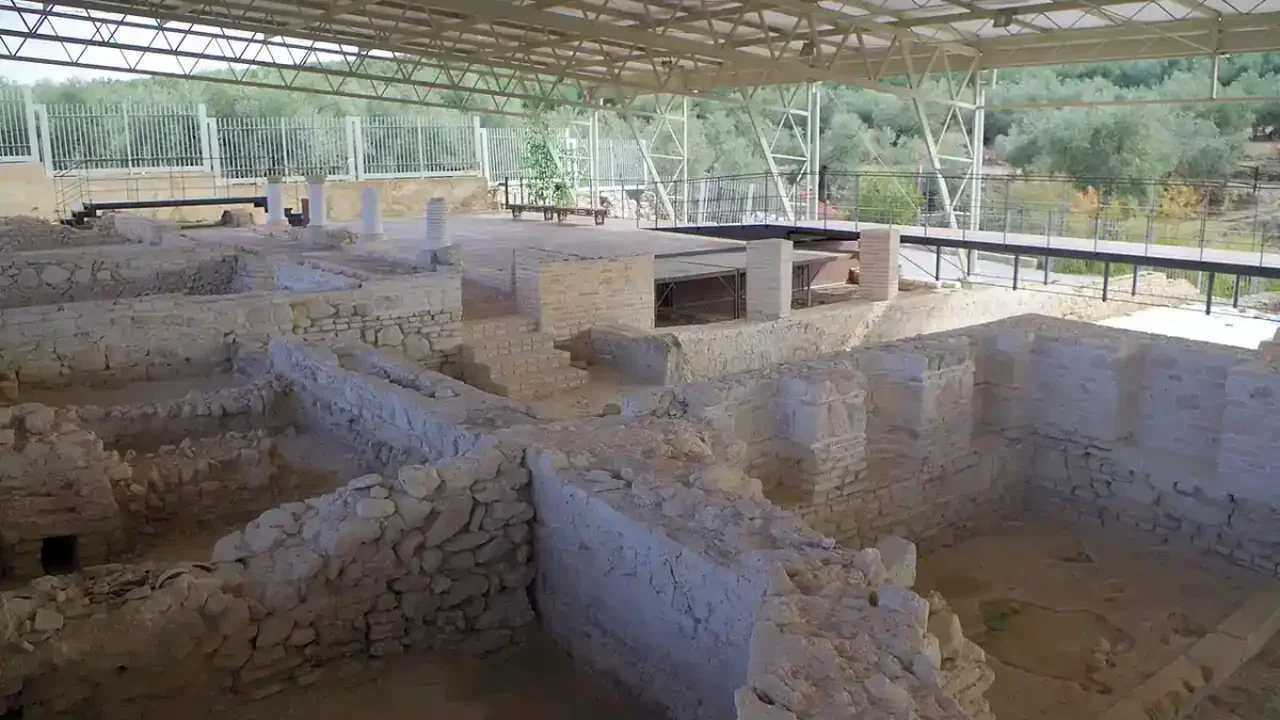
In an exciting archaeological find, experts excavating the site designated for a future farmers' market in Vinkovci, eastern Croatia, have uncovered a rare, undisturbed grave within an ancient Roman necropolis. This significant discovery was reported by Croatia Week.
The necropolis, initially revealed in March, is believed to date back to the 2nd or 3rd centuries CE. Vinkovci, historically known as Colonia Aurelia Cibalae during the Roman Empire, has a rich heritage, being the birthplace of two notable Roman emperors: Valentinian I and his successor Valens.
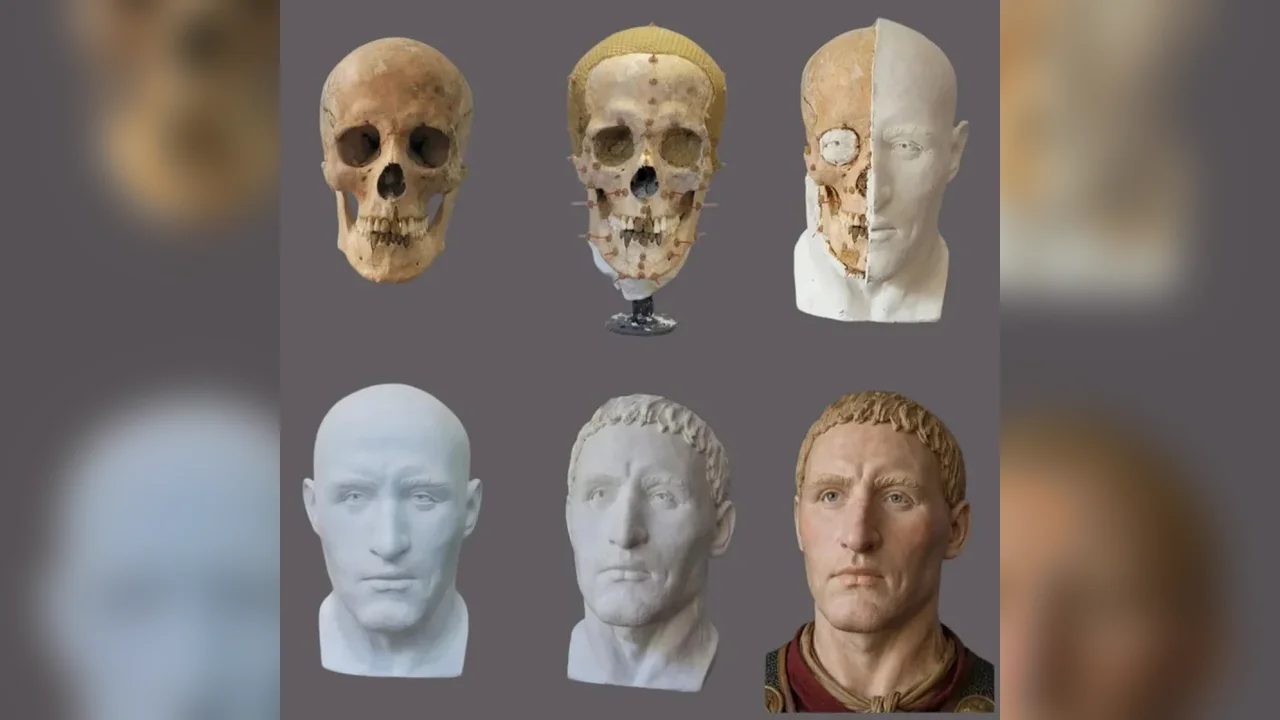
Months following the initial announcement, archaeologists have now revealed the first intact brick grave, which houses the remains of a male skeleton. Accompanying the skeleton were minimal burial items, including an iron object and a bronze fragment. In contrast, other graves in the vicinity contained more elaborate artifacts, such as small glass bottles likely used for perfumes and ornamental brooches known as fibulae.
Hrvoje Vulić, director of the Vinkovci City Museum, shared insights about the individual, estimating that he was likely between 40 and 45 years old at the time of his death. Researchers are eager to conduct further analyses on the remains to uncover more about the individual and the cultural practices of the time.
This remarkable discovery not only sheds light on the historical significance of Vinkovci but also emphasizes the ongoing importance of archaeological research in understanding our past. As excavations continue, they may reveal further insights into the lives of those who lived in this ancient city, enriching our comprehension of Roman history and culture in the region.