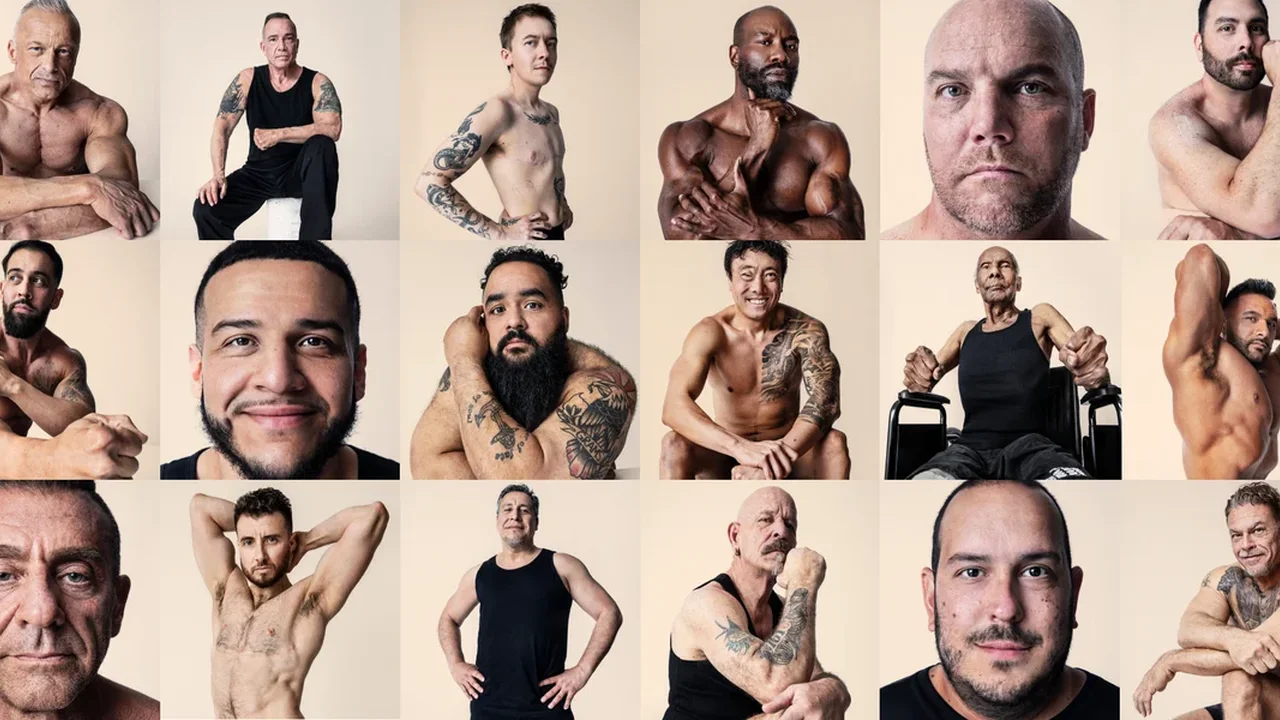
Testosterone therapy is increasingly being discussed not as a one-size-fits-all trend, but as a highly personal medical tool with different goals, outcomes and meanings. In a feature built around 22 people using testosterone, the common thread is not a single body type or lifestyle, but a shared search for balance, vitality and self-recognition.
Different reasons, one hormone
Some participants use testosterone replacement therapy to address medically confirmed low levels, while others rely on it after cancer treatment or as part of gender-affirming care. For many, the change is practical: more energy, better recovery, improved sleep and renewed focus. For others, it supports strength goals, athletic performance or a deeper sense of identity.
Charles Flanagan, a former sprinter and trainer in Arizona, returned to testosterone after a long break and says his levels rose from under 100 ng/dL to around 800-1,000. In Maryland, Scott Percy, known as the World's Strongest Trans Man, uses testosterone as part of his transition and powerlifting routine. Alex Soo, a testicular cancer survivor in Texas, found that weekly injections helped restore his energy, sleep and exercise recovery after treatment.
The stories also show how age changes the conversation. Bob Lessard Jr., a 71-year-old teacher in New Jersey, says TRT helps him maintain strength and daily energy. David Collins, now 79 in California, began therapy at 75 and says it helped him become more active and socially engaged. At the younger end, Michael Gehm and John Gonzalez describe testosterone as part of a broader reset that improved training, mood and day-to-day performance.
A broader wellness shift
Several of the profiles also highlight the importance of medical supervision, regular bloodwork and individualized dosing. The article's message is clear: testosterone therapy is not a shortcut, but one piece of a larger health strategy that often includes training, nutrition, sleep and ongoing clinical guidance.
As more people explore hormone health with a data-driven mindset, testosterone therapy may continue to shape a future where wellness is more personalized, more monitored and more closely tied to quality of life.