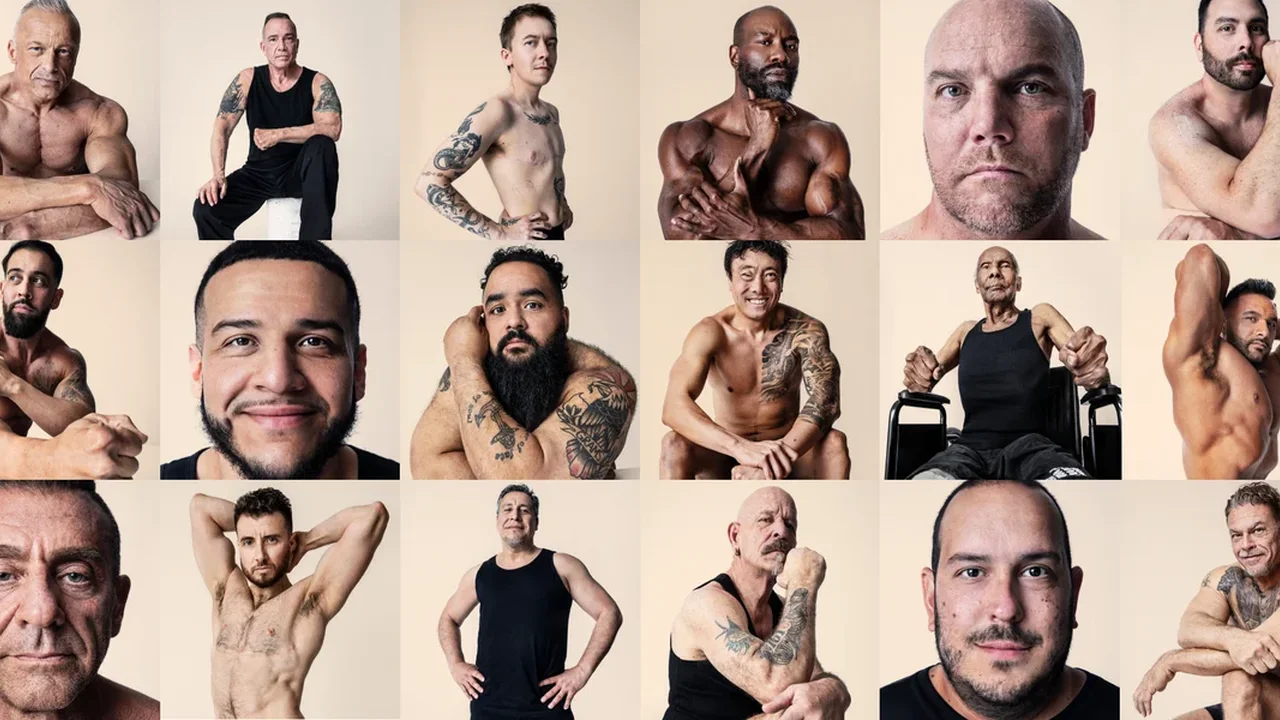
Testosterone is moving through a notable cultural shift: once framed mainly as a bodybuilding shortcut, it is now being discussed more broadly as part of long-term wellness and performance planning.
In a recent survey of nearly 2,200 American men, 40% said their view of testosterone had become more important over the past year, while nearly one in four reported knowing someone using testosterone replacement therapy (TRT). That change reflects how quickly the conversation has expanded beyond gyms and sports circles.
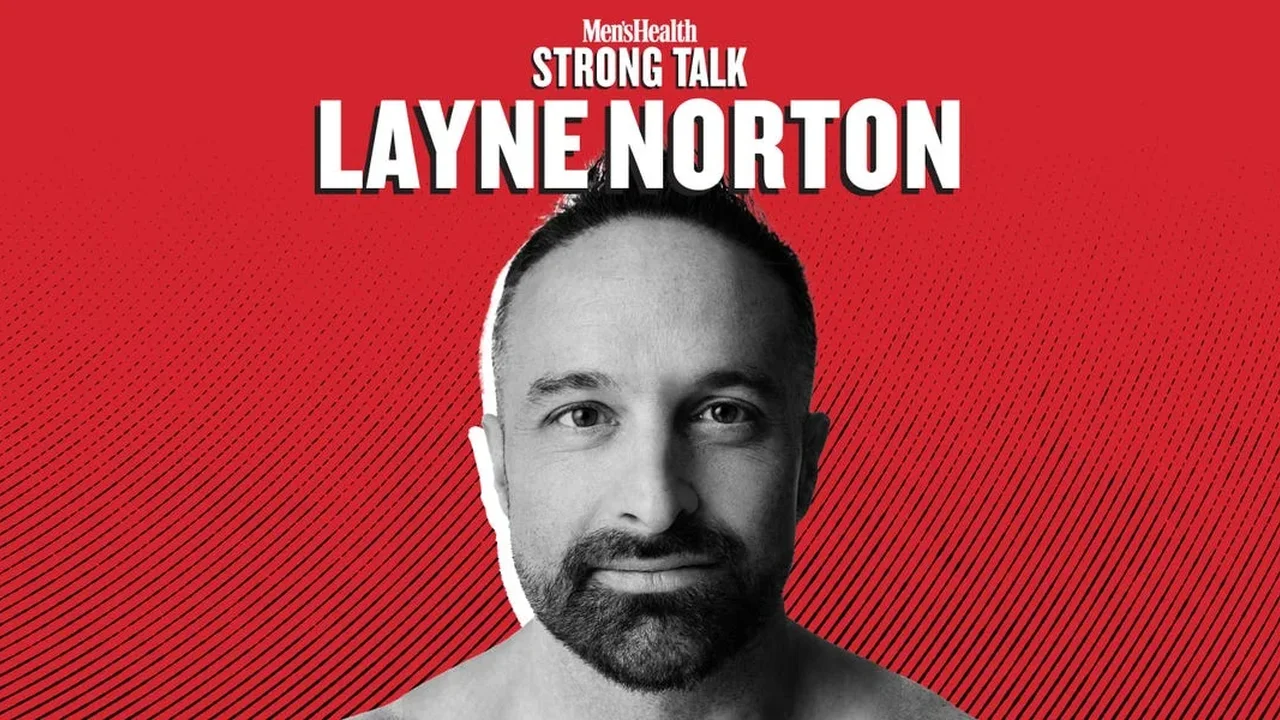
In the latest Strong Talk episode, Ebenezer Samuel, Pat Davidson, and guest Layne Norton revisited how testosterone was once treated as a taboo topic. They also noted how older media portrayals helped shape public caution, while today's digital health landscape has made hormone discussions far more visible and accessible.
The broader market reflects that momentum. The global TRT sector is projected to grow from $2.03 billion in 2024 to $2.7 billion by 2033, signaling continued interest in hormone-based wellness services and online clinical models.
The conversation also points to a more nuanced future: separating medical replacement from performance enhancement, understanding the hormone's role in aging, and keeping expectations realistic. As science, wellness, and digital health continue to converge, testosterone may become one of the clearest examples of how personal health trends evolve in public view.