The pull-up, a fundamental bodyweight exercise, is currently a hot topic in the fitness community, especially on social media platforms. This exercise not only engages muscles in the arms, back, and core but also demands a high level of strength and technique to execute effectively. As a result, enthusiasts and critics alike often express strong opinions about proper form.
Dr. Pat Davidson, an exercise physiologist and strength coach, recently highlighted this phenomenon in the latest episode of Strong Talk. He noted the intense scrutiny surrounding pull-up technique, stating, "The level of technical criticism in pullup land is extreme." Davidson shared his experience of posting a video of himself completing pull-ups with added weight, only to be met with criticism focused on his form rather than his impressive strength.
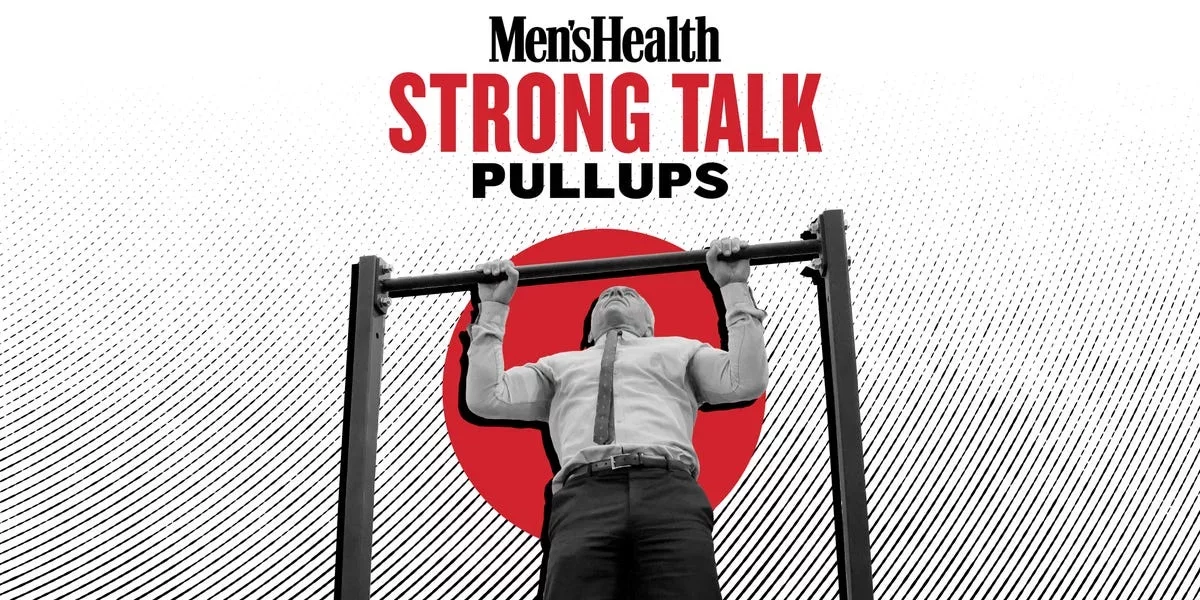
Even public figures like Health and Human Services Secretary Robert F. Kennedy, Jr. have faced similar backlash. After participating in a pull-up contest at an airport, his technique was questioned by online observers, who claimed his form was inadequate. The latest Strong Talk episode delves into the validity of such critiques and explores the average number of pull-ups a person can achieve, along with the often-overlooked connection between body composition and pull-up performance.
Davidson pointed out that while there may be areas for improvement in Kennedy's form, it was still commendable for someone of his age. He emphasized that Kennedy's ability to perform pull-ups at 72 years old places him in a unique category, deserving of recognition rather than criticism. "He's crushing it in that particular realm," Davidson remarked, suggesting that the focus should be on the achievement rather than the minor technical flaws.
This ongoing dialogue about pull-up form raises important questions about the nature of fitness criticism. As the fitness community continues to evolve, it is crucial to foster an environment that encourages improvement and celebrates individual achievements, rather than one that dwells on perceived shortcomings.
As we move forward, the conversation surrounding pull-up techniques and fitness standards may significantly influence how individuals approach their training, ultimately promoting a more supportive and constructive fitness culture.