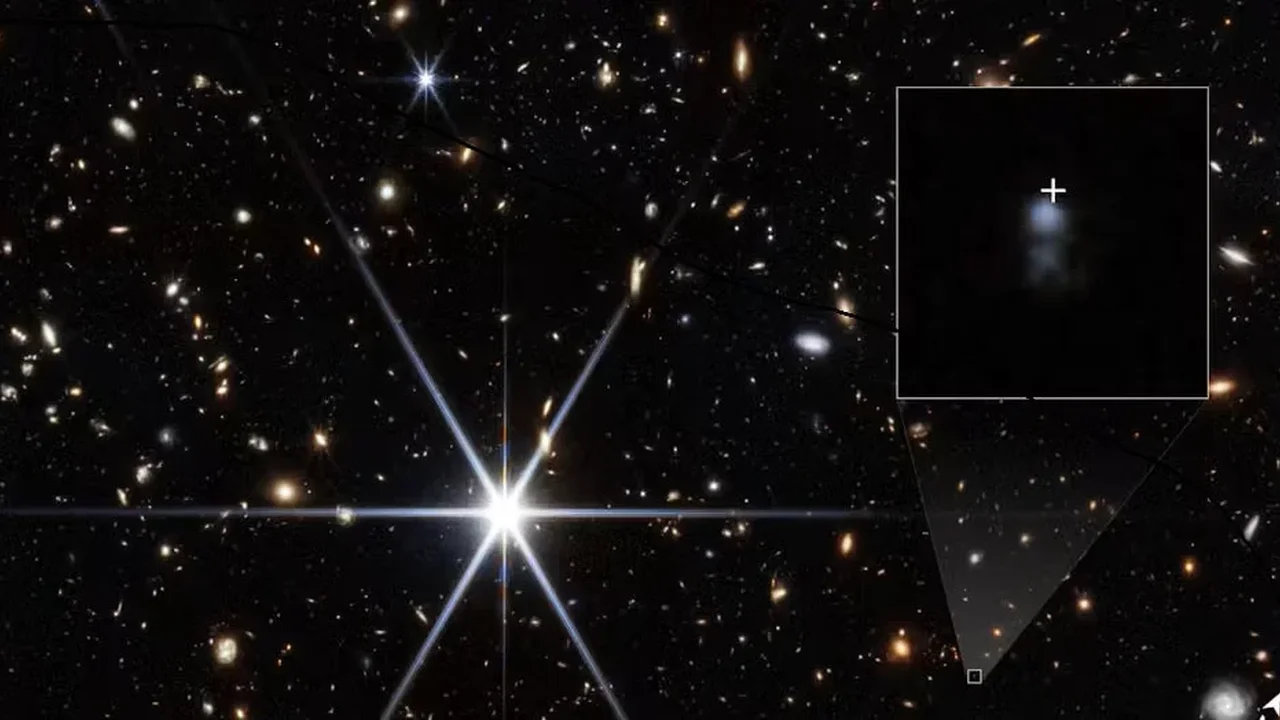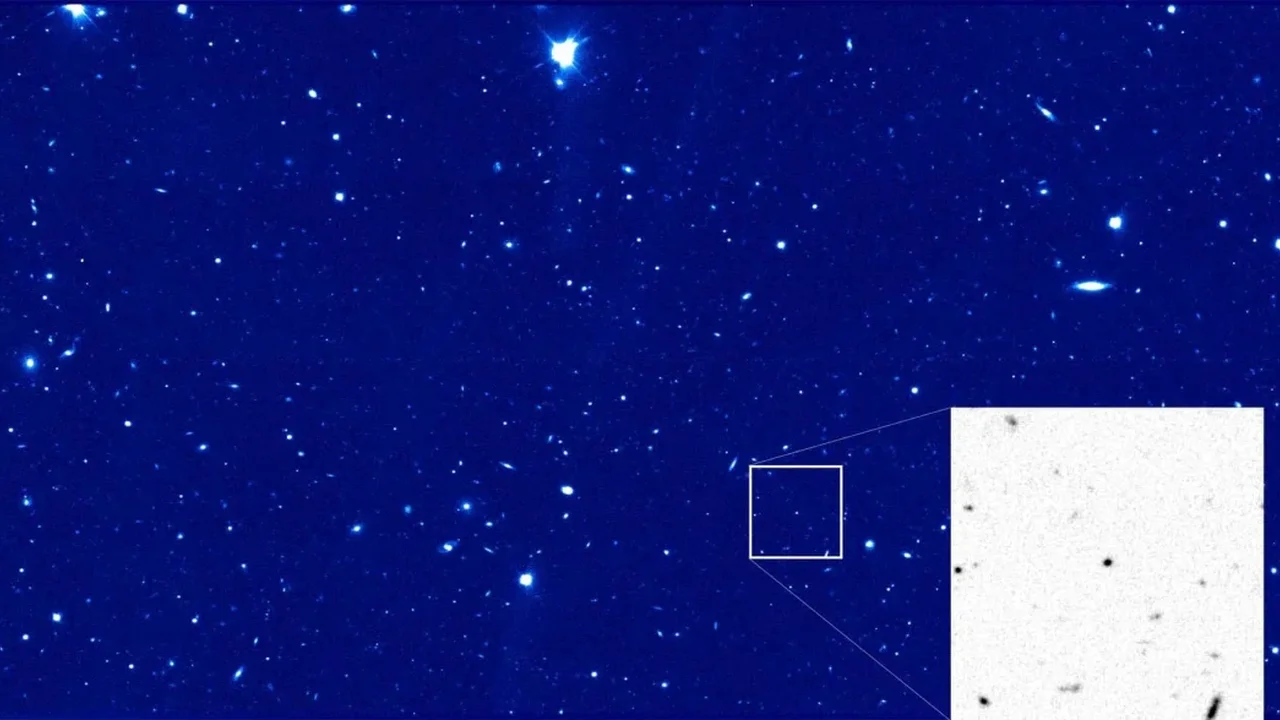
A comet that drifted through images from the Subaru Telescope has given astronomers an unusually clear look at its bare nucleus. The object, 28P/Neujmin, was not the main target of the observations, but its accidental appearance in survey data revealed a view of a comet without the bright cloud that usually surrounds it.
The images were taken in 2016 with Subaru's wide-field Hyper Suprime-Cam, a system designed to map large areas of sky and capture objects that happen to cross the frame. Years later, researchers reviewing public survey data noticed the comet hidden among thousands of stars and galaxies.
At the time of observation, 28P was more than 10 astronomical units from the Sun, a distance so cold that its usual release of gas and dust had largely stopped. That meant the comet's nucleus could be studied directly, without the glare of a coma masking its surface.
The timing was especially valuable because Earth, the comet and the Sun were nearly aligned. In this geometry, known as the opposition effect, airless objects can brighten sharply as sunlight reflects back toward the observer. The result offered a rare chance to measure how the comet's surface responds to light.
Color measurements showed a reddish, very dark surface similar to some primitive outer Solar System bodies. Yet 28P's brightness changed more strongly than typical dark asteroids under the same viewing angle, suggesting its surface texture is different. Scientists think repeated passages near the Sun may have gradually reshaped the outer layer of the comet, altering grain size, spacing or structure over time.
The study highlights how archival astronomy can reveal unexpected discoveries long after the original observations are made. As Takafumi Ootsubo of the University of Occupational and Environmental Health noted, many more Solar System objects may already be waiting in survey archives. In the future, similar methods could help map how comet surfaces evolve across billions of years, turning overlooked data into a new window on the early Solar System.