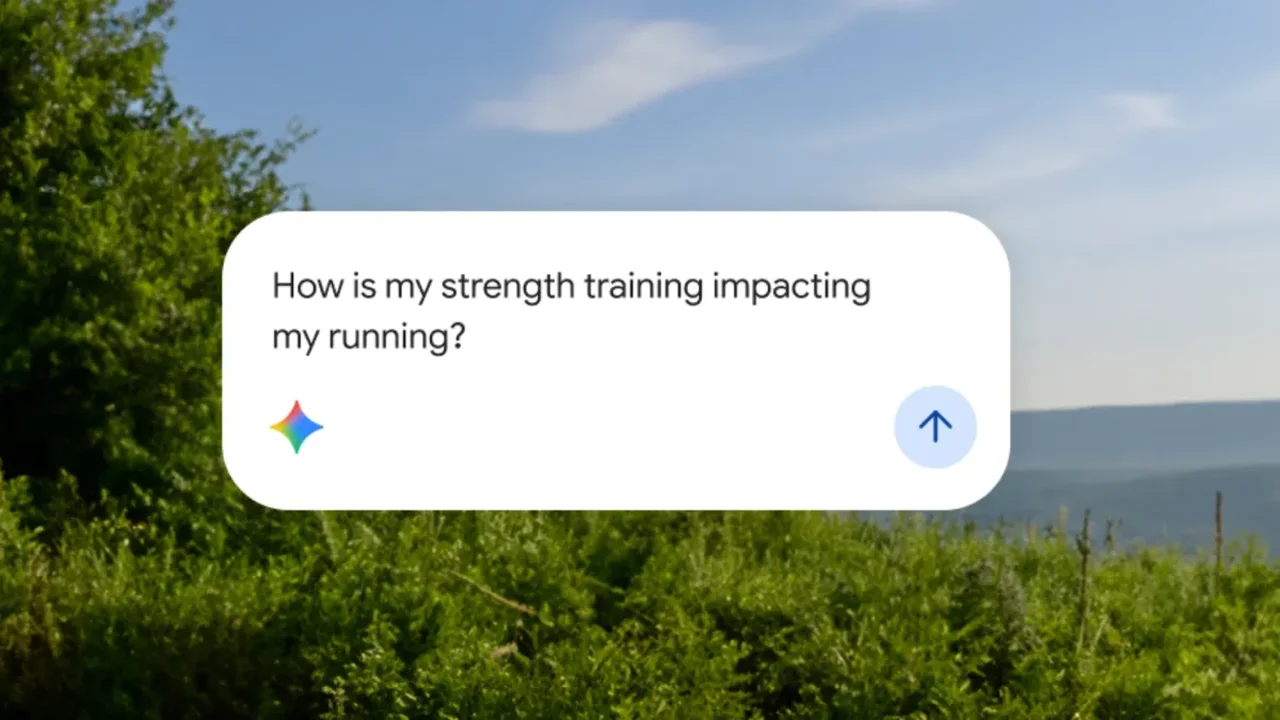
Strava subscribers in the United States are beginning to get a new way to explore their training: a direct connection between their activity history and Google Gemini. The integration follows Strava's earlier launch with Claude and lets users ask questions about performance, race results and how different types of training relate to one another.
After linking accounts through Gemini's Personal Intelligence settings, users can ask about trends such as pace at a given heart rate or changes in running performance. The connection is optional and read-only, and can be disconnected at any time. Gemini may access activity records, performance metrics, training plans, gear, clubs and profile details. Some conversation data and account information may also be shared with Strava.
Useful comparisons, with limits
In testing, Gemini quickly compared training data and suggested follow-up questions that could help users examine patterns across weekly mileage, long runs and races. But its analysis was not always complete. Older activities were sometimes missing or inconsistently retrieved, so asking about specific dates and locations helped narrow the search. Important figures should still be checked against the original records.
The assistant also offered familiar training suggestions, such as adding speed work or slowing down on easy runs. These may be useful reminders, but they are not necessarily individualized coaching. Context matters: temperature, humidity, terrain and fatigue can all influence performance metrics, and the system may not raise those factors unless prompted.
A tool for exploration, not a coach
The integration's clearest benefit is speed: Gemini can gather and compare training data more quickly than a user might do manually, while its prompts can inspire new questions. For sounder results, users should be specific about dates, locations and conditions, and treat AI-generated conclusions as a starting point rather than a final verdict.
As fitness tools become more conversational, their value will depend on how well they combine personal data with real-world context--and how thoughtfully athletes interpret the results.