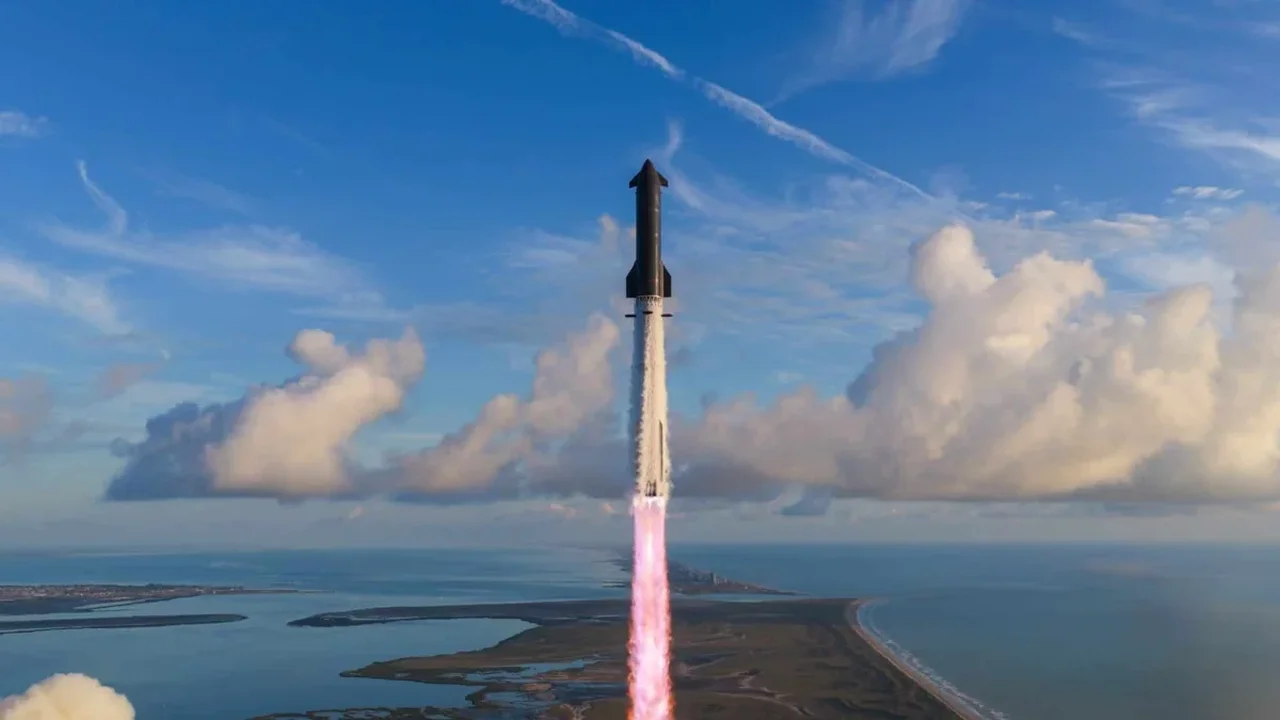
A discarded SpaceX Falcon 9 upper stage has made an unexpected return to the headlines after striking the Moon on August 5, 2026, at around 06:35 UTC. Traveling at roughly 8,700 kilometers per hour, the four-ton object carved out a new crater and sent lunar dust into space.
A rare lunar impact
The rocket stage had been launched in January 2025 as part of a mission that sent two lunar landers toward the Moon. While the booster returned to Earth, the upper stage stayed in a complex orbit shaped by Earth, the Moon, and the Sun until gravity guided it into the lunar surface. What was once mission hardware became an unplanned experiment in lunar science.
What telescopes observed
South Korea's Danuri orbiter captured before-and-after images that revealed a darker patch at the impact site. On Earth, the flash was faint, but the Very Large Telescope in Chile detected spectral signatures of sodium and lithium in the dust plume for several minutes after the collision. Researchers believe the sodium likely came from lunar soil, while lithium may have originated from the rocket stage itself.
Early estimates suggest the impact may have released energy comparable to several tons of TNT and created a crater tens of meters wide. The event also highlighted the Moon's growing role as a destination for exploration, science, and future infrastructure.
Why it matters
Natural impacts on the Moon are common, but human-made debris is becoming more relevant as lunar activity expands. Scientists say better tracking of objects in cislunar space will be essential as more missions head beyond Earth. The event offers a clear reminder that every step toward a sustained lunar presence will depend on smarter orbital planning and debris management.
As lunar traffic increases, moments like this may help shape safer and more precise exploration across the next era of space activity.