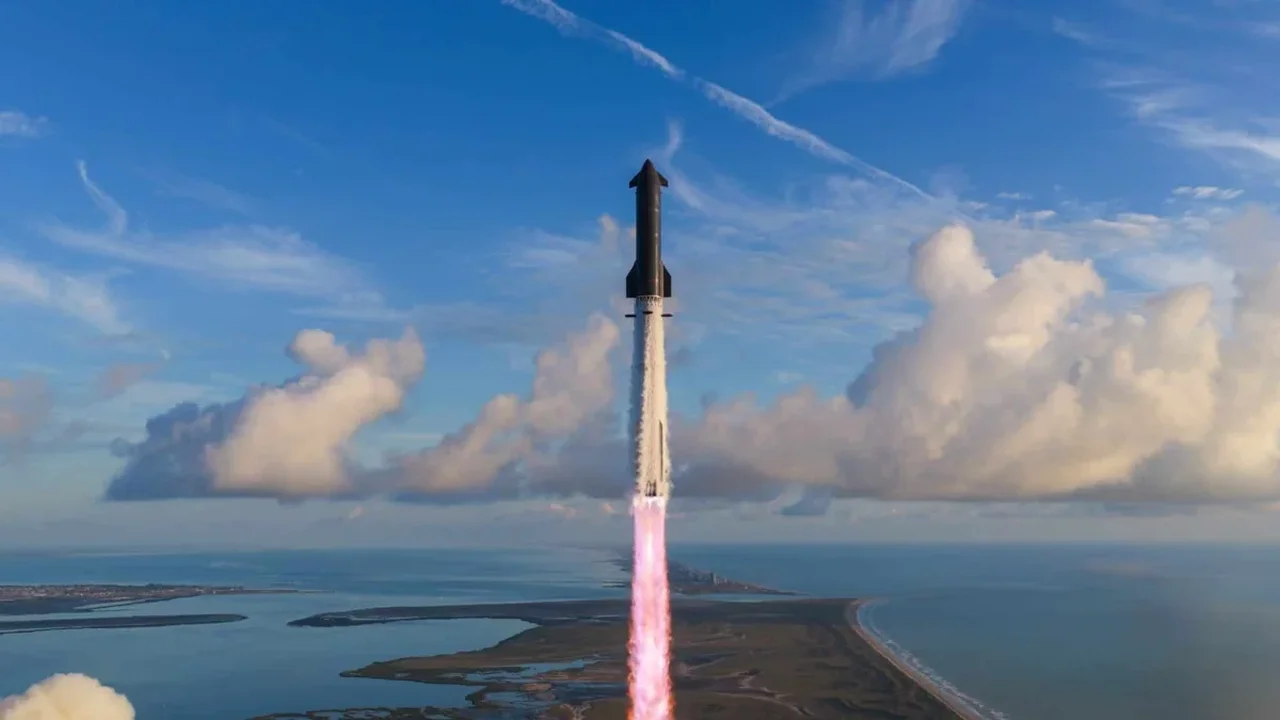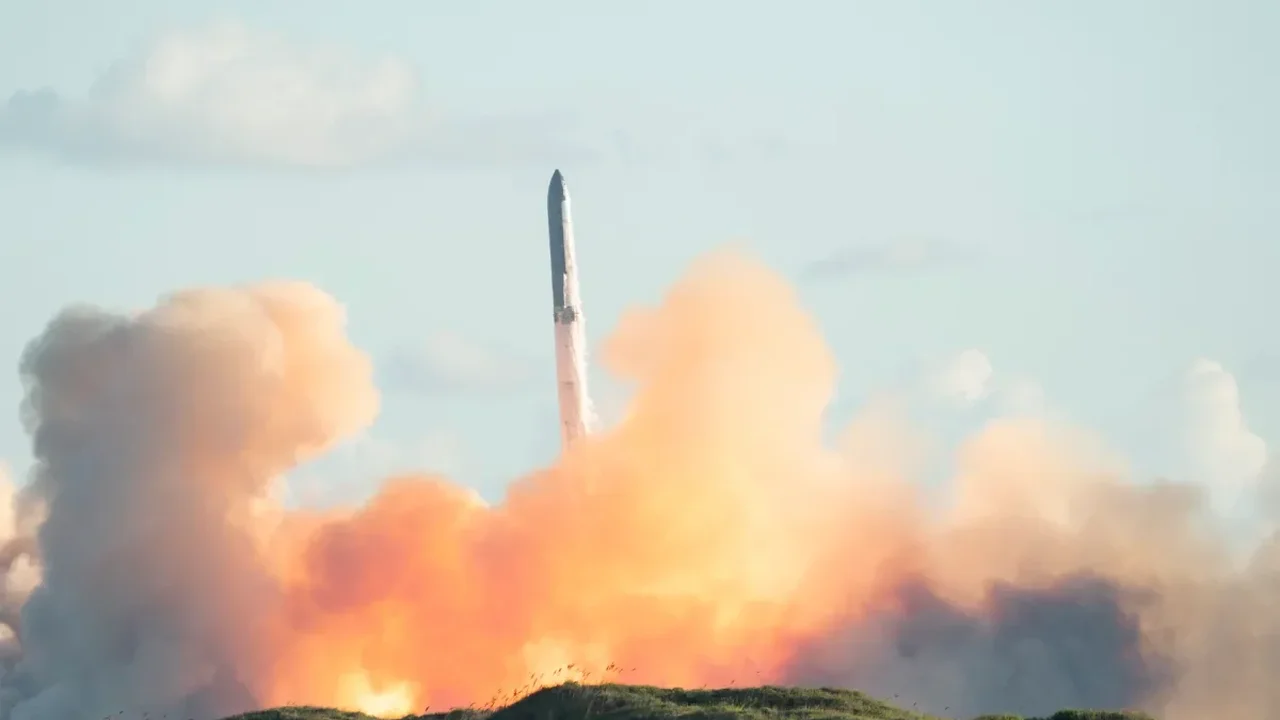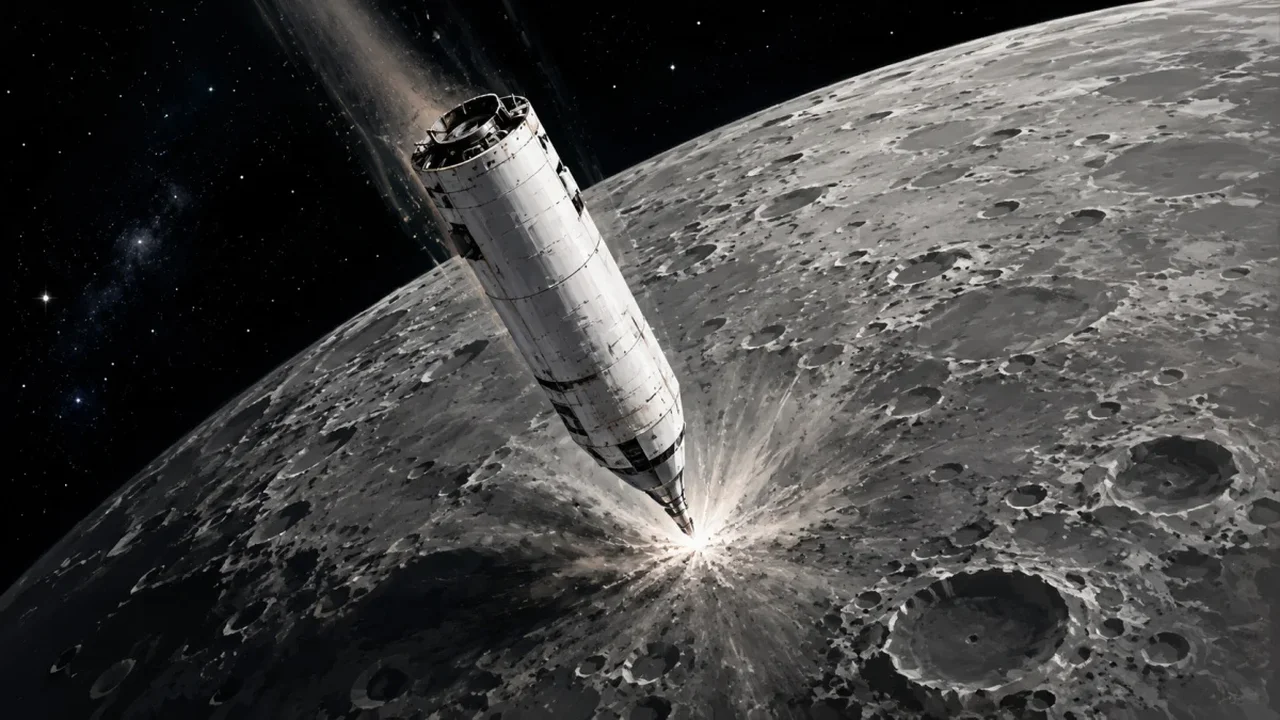
A spent SpaceX Falcon 9 upper stage is expected to reach the Moon on Wednesday at about 06:35:37.5 UTC, striking sunlit terrain near Einstein Crater at roughly 8,700 kilometers per hour.
The event is not expected to create any risk for Earth or cause major change on the lunar surface. Still, it offers astronomers a rare opportunity to observe a known human-made object hitting another world with remarkable precision.
A precisely tracked impact
The rocket stage launched on January 15, 2025, carrying Firefly Aerospace's Blue Ghost lander and ispace's Hakuto-R Resilience mission. After separation, the 12-meter stage drifted through a complex path shaped by Earth, the Moon, and the Sun.
Independent astronomer Bill Gray followed the object for months and refined its trajectory until the impact became certain. Researchers now expect the collision to release energy comparable to about three tons of TNT and form a crater roughly 27 meters wide and 5 meters deep.
Because the strike will occur on the Moon's bright side, the flash may be difficult to catch from the ground. However, the dust plume could rise high enough for telescopes to monitor for several minutes.
Eyes on the lunar surface
NASA's Lunar Reconnaissance Orbiter and South Korea's Danuri orbiter are expected to document the site before and after the impact. Their observations may help scientists compare predictions with real-world results and improve future models of lunar surface activity.
The moment also reflects a larger shift: the Moon is becoming a more active destination for exploration, cargo missions, and long-term human presence. As that traffic grows, tracking orbital debris and understanding its effects will become increasingly important for safe lunar operations.
For astronomy, this is more than a crash event; it is a live test of planetary tracking, impact science, and the next phase of lunar exploration. It may help shape how future missions manage space around the Moon.