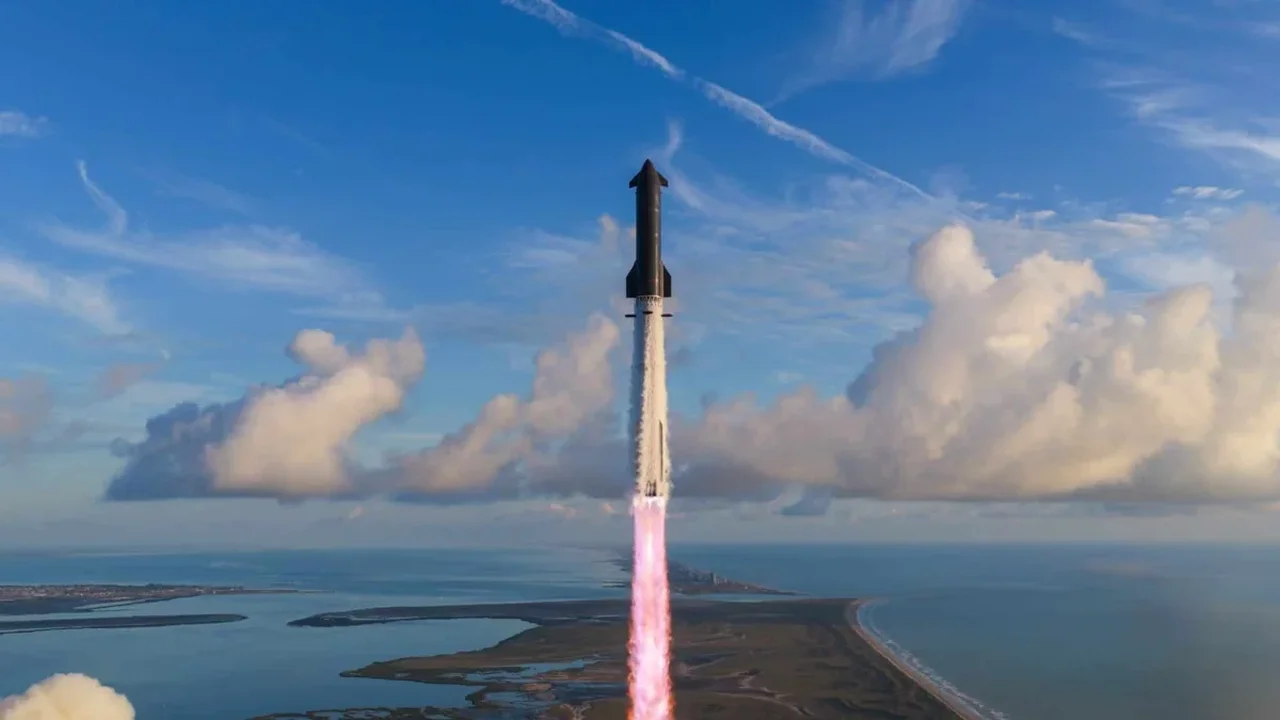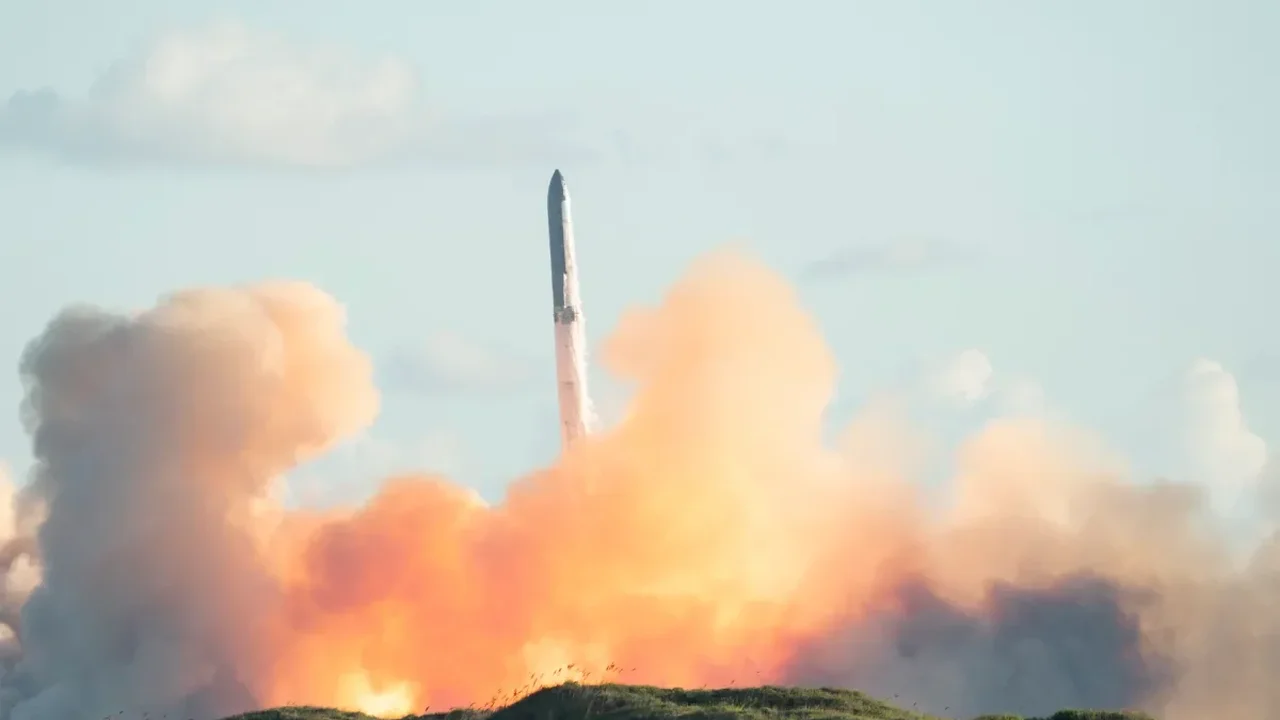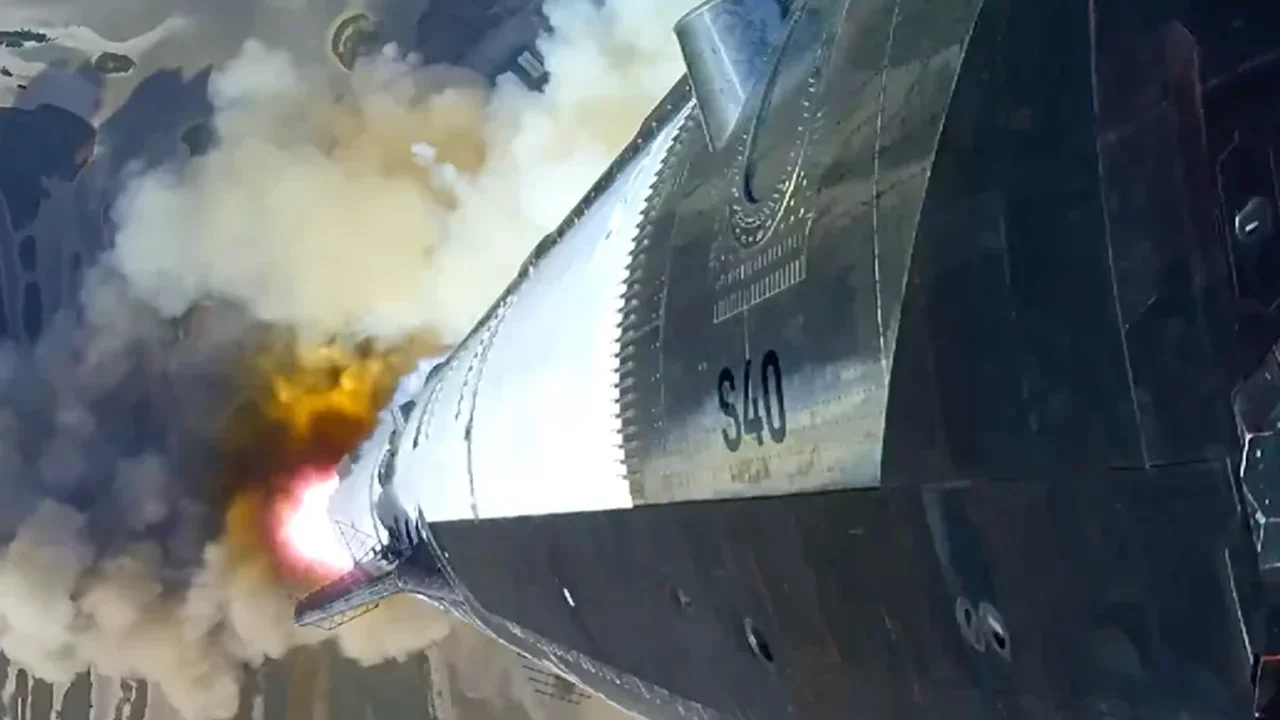
SpaceX has completed the first deployment of its third-generation Starlink satellites using an upgraded Starship prototype during the vehicle's 13th test flight. The mission marked another step in the company's rapid development cycle, even as the Super Heavy booster faced trouble during its planned landing sequence.
According to the flight results, the upper stage performed smoothly and delivered the new satellites as intended. That outcome is notable because the May V3 test had seen an engine issue in the upper stage. This time, the deployment phase proceeded without that setback.
The booster, however, did not complete its landing burn as planned. It failed to ignite all of the engines needed for the simulated descent and struck the water at higher speed than expected, ending the test with an explosive impact.
The launch followed an earlier aborted attempt in which engine issues forced SpaceX to stop shortly after ignition. Before Friday's flight, the company said it had replaced six engines to address the problem and improve reliability.
The newly deployed Starlink satellites are expected to reenter the atmosphere and burn up after a short period, since Starship is still in its testing phase and has not yet reached full orbital capability. The mission reflects SpaceX's continued fly, fail, fix approach as it refines the rocket for future use.
As Starship development advances, each test adds data that could shape the next generation of reusable space systems and expand the pace of satellite deployment in the years ahead.