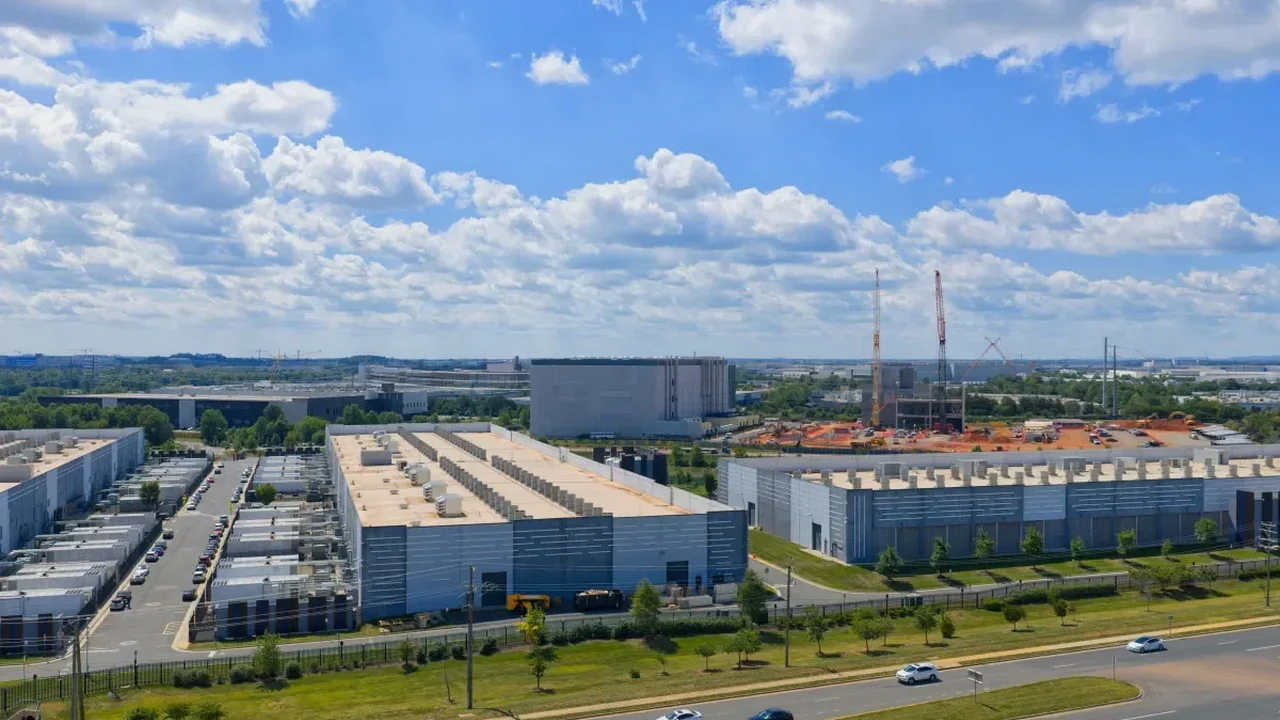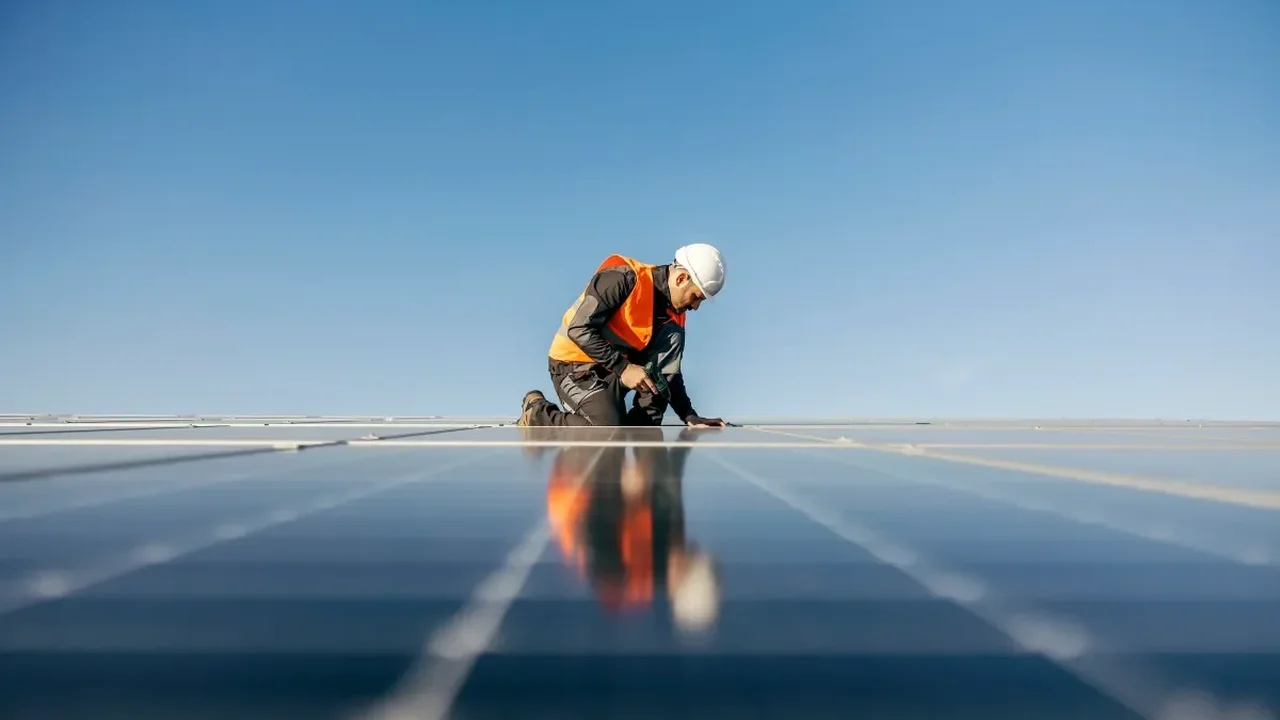
As artificial intelligence expands, data centers are placing new demands on electricity systems. Brook Porter, a partner at G2 Venture Partners (G2VP), says developers should consider pairing solar power with long-duration energy storage to meet that demand at scale.
Porter points to the difference in buildout capacity: annual global additions of solar power already exceed a terawatt, while natural-gas generation capacity additions are estimated at roughly 60-70 gigawatts. Solar and storage systems also use modular technologies that can be manufactured repeatedly, potentially accelerating deployment and lowering costs.
Powering facilities beyond the grid
G2VP expects data center investment to surpass $4 trillion by the end of the decade. Porter describes two possible approaches: smaller facilities connected to the grid with dedicated generation, and larger sites powered by solar and long-duration storage.
Building independently of the grid could give developers more control over when and where facilities are built, while helping them navigate constraints such as grid access and permitting. New storage approaches from companies including Form Energy and G2VP portfolio company Antora Energy aim to provide electricity for longer periods than conventional battery systems.
G2VP's experience investing in Crusoe has given the firm a close view of changes in data center development. Porter argues that developers should assess long-duration storage now, even if wider adoption takes time.
If manufacturing scale and storage costs continue to improve, solar-plus-storage could broaden where data centers can be built and help shape the next generation of AI infrastructure.