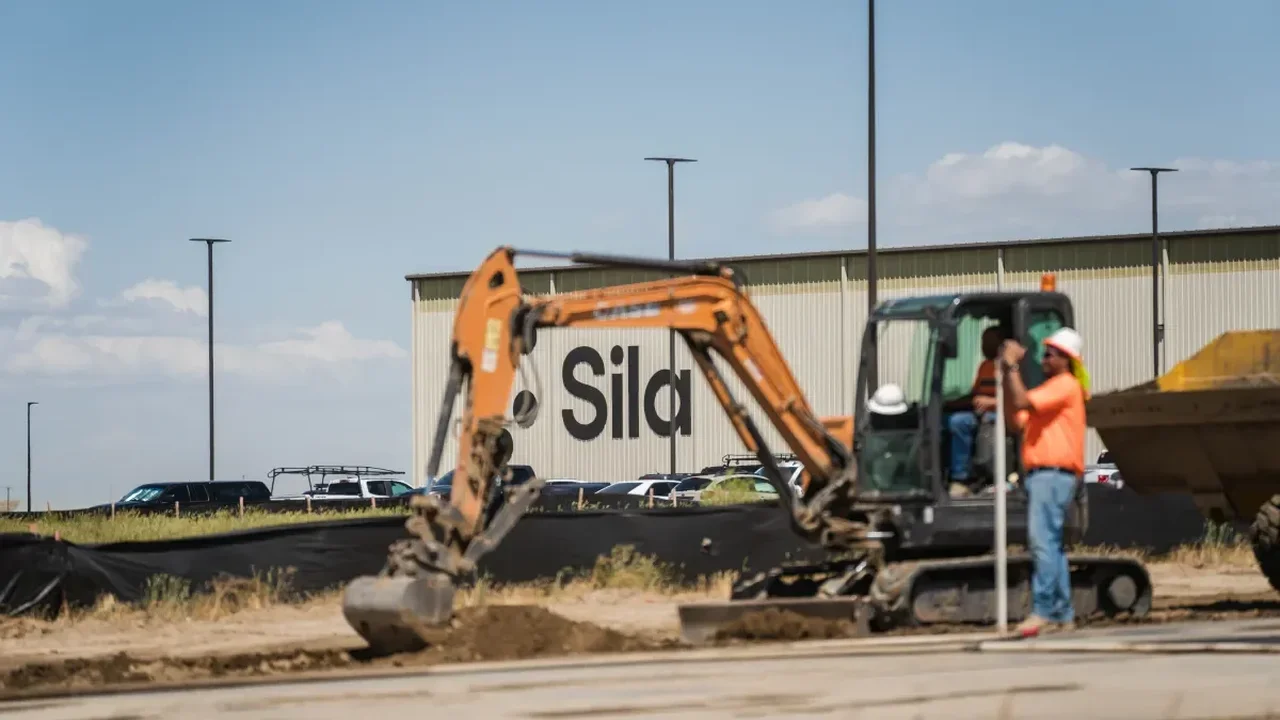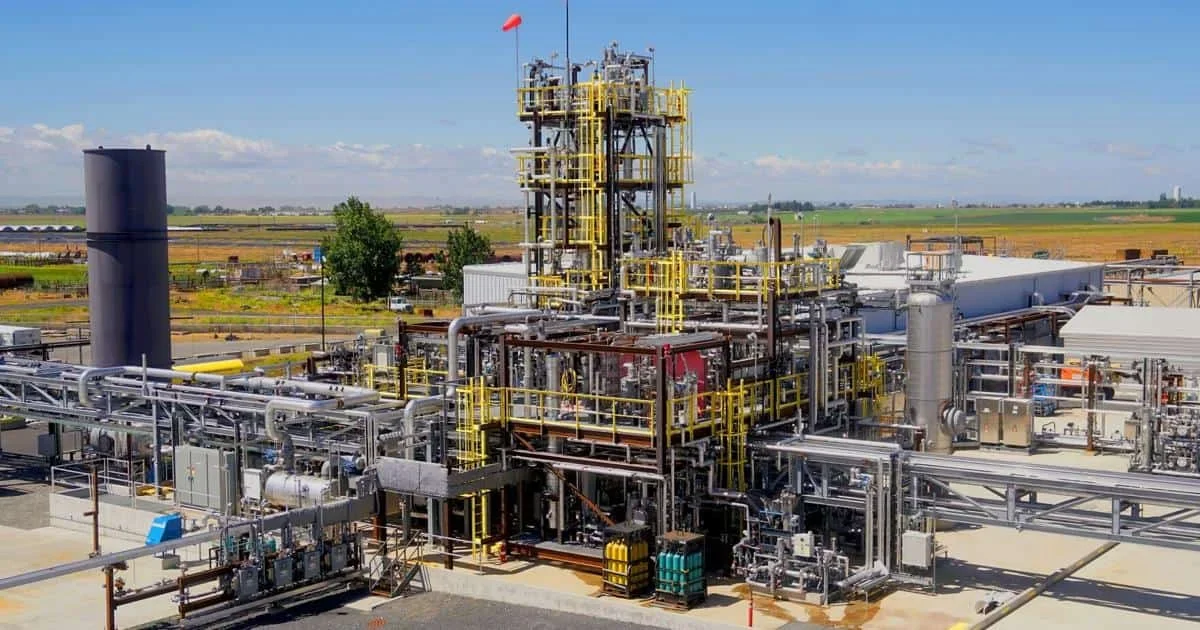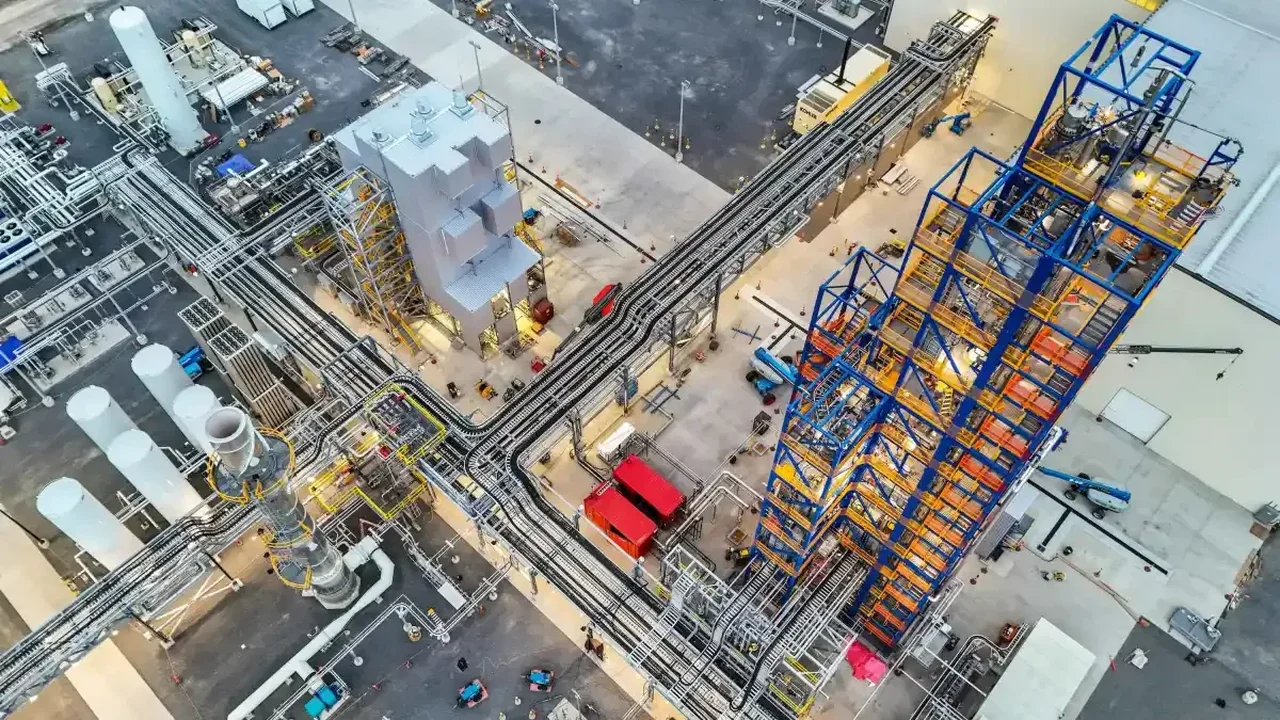
Sila has raised $300 million to expand its Washington State factory and accelerate production of advanced anode material for electric vehicles and other battery-powered technologies.
The company says the upgraded facility will be able to supply enough material for more than 100,000 EVs, marking a major step in the shift toward higher-capacity battery components made in the U.S.
Unlike conventional graphite anodes, Sila's silicon-carbon material is designed to store up to 40% more energy and support faster charging. The startup has spent 15 years developing the technology and began production at its Moses Lake plant in 2025.
Beyond electric cars, demand for lithium-ion batteries is also rising in energy storage, where large battery systems support solar and wind integration and help power data-intensive infrastructure. Sila's material is already used across mobility and electronics applications, including partnerships in automotive and consumer tech.
The new funding round was led by Atreides Management and Sutter Hill Ventures, with participation from several major investors. As battery innovation advances, scalable materials like this could shape the next generation of cleaner, faster, and more efficient energy systems.