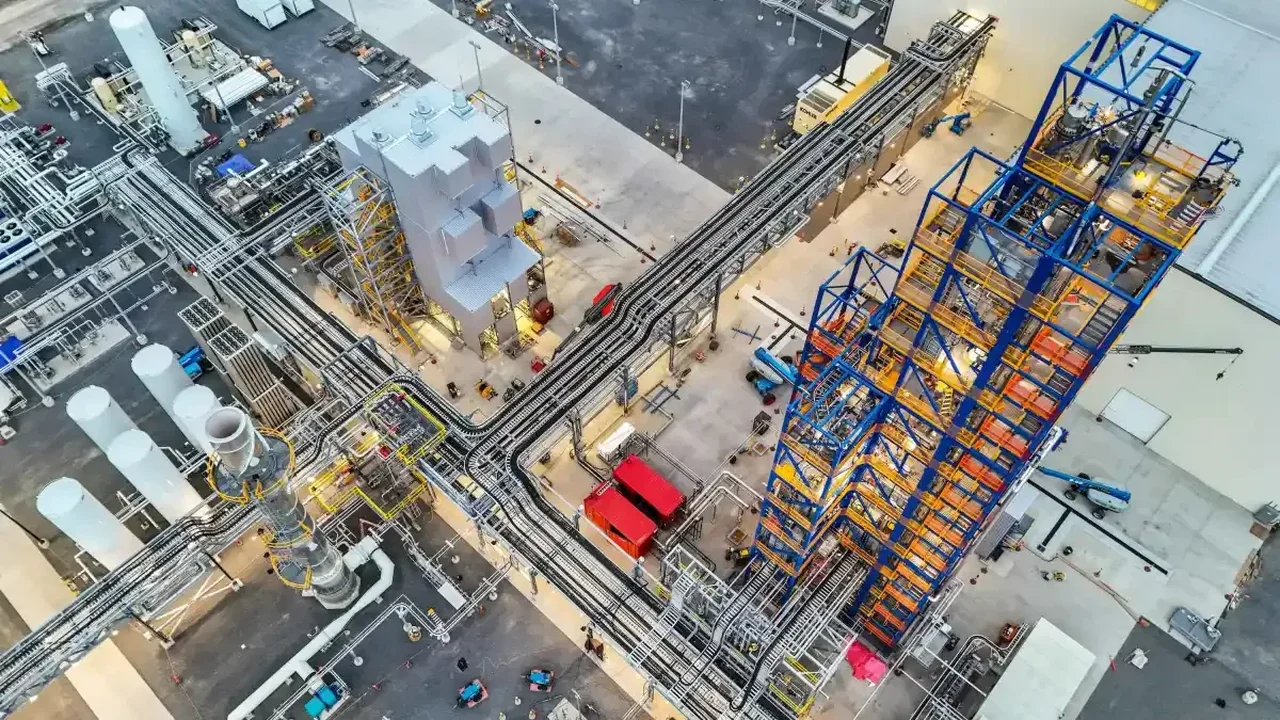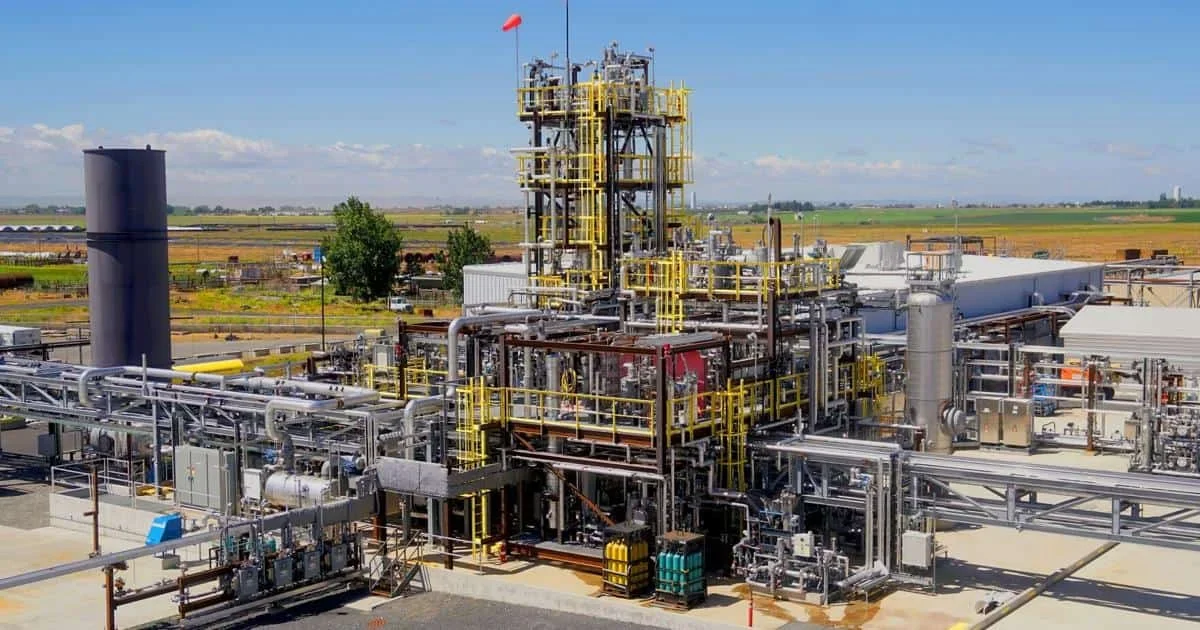
In Moses Lake, Washington, a groundbreaking facility is redefining fuel production by reversing the conventional process of gas emissions. This innovative plant, known as AirPlant One, transforms carbon dioxide, water, and renewable electricity into liquid hydrocarbons, which can subsequently be refined into jet fuel. This sustainable aviation fuel, branded as E-Jet, is now being produced in commercial quantities by Twelve, a California-based startup dedicated to carbon recycling.
While the plant currently has a modest output of approximately 55,000 gallons of fuel annually, the aviation industry consumes around 100 billion gallons each year. Nevertheless, this initiative represents a significant step forward in exploring alternatives to traditional aviation fuels derived from crude oil, crops, or waste oils.
Aviation is a major contributor to global warming, accounting for roughly 2.5% of energy-related CO2 emissions, which amounts to nearly one billion tonnes each year. By converting some of these greenhouse gases back into fuel, the aviation sector could drastically reduce its carbon footprint. "You have a CO2 molecule going in at one end of the plant, and it is getting transformed into on-spec jet fuel on the other side," said Twelve's CEO, Nicholas Flanders.
Transforming Carbon into Fuel
The process begins with the capture of CO2, which is then fed into a system powered by renewable energy. The CO2, sourced from an ethanol plant, is transformed into syngas--a mixture of carbon monoxide and hydrogen. This syngas is converted into synthetic crude, which is further refined into E-Jet sustainable aviation fuel. The chemical properties of this fuel are similar enough to conventional jet fuel that existing aircraft engines can utilize it without modifications.
Despite the promise of CO2-derived fuel, it does not achieve complete carbon neutrality. When burned, the CO2 is released back into the atmosphere, making the sustainability of the fuel dependent on the entire production cycle, including the source of the carbon and the renewable energy used in the process.
Challenges and Opportunities
While Twelve's E-Jet fuel can potentially reduce lifecycle emissions by up to 90% compared to traditional jet fuel, current regulations limit its use to blends with conventional fuels due to slight chemical differences. The aviation industry is exploring various sustainable options, but CO2-based fuels appear to be among the most promising due to their scalability and the abundance of available raw materials.
As solar energy becomes increasingly prevalent, the production of sustainable aviation fuel could become more viable. The U.S. has recently reached a significant milestone, generating more electricity from solar energy than coal for the first time. With a vast amount of CO2 emitted each year, the potential for scaling CO2-based jet fuel production is substantial.
In addition to environmental benefits, CO2-derived fuels may offer airlines greater price stability and supply security, reducing their dependence on volatile global oil markets. This innovative approach could reshape the future of aviation fuel, making it more sustainable and economically viable.