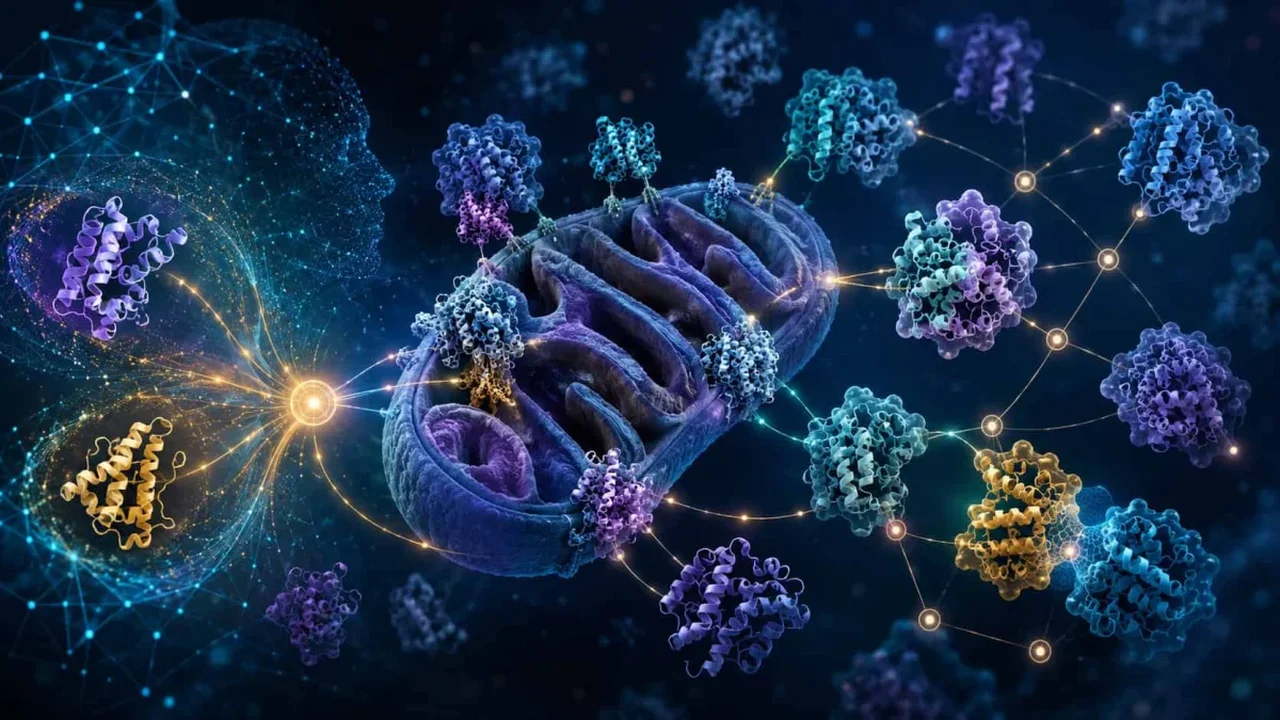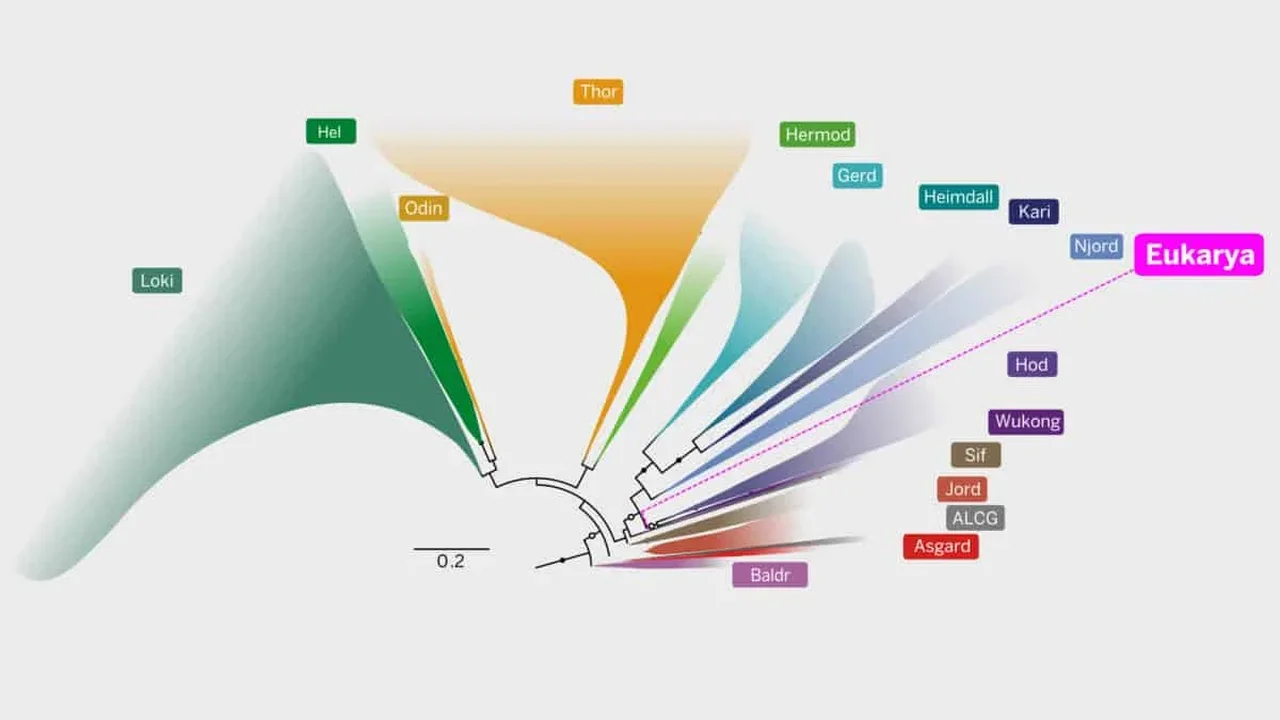
New genomic research is sharpening the story of how complex life emerged on Earth. Scientists studying hundreds of archaeal genomes say that all eukaryotes -- the group that includes animals, plants, fungi, and humans -- likely share a deep evolutionary link with Asgard archaea.
A closer look at life's family tree
Led by Thijs Ettema at Wageningen University, the research team compared genetic data from diverse microbes and used evolutionary analysis to reconstruct ancient relationships. Their work points to a common Asgard ancestor as the closest known microbial relative of complex life.
Asgard archaea first drew attention through discoveries in environments such as Arctic sediments, hydrothermal vents, and hot springs. Over time, scientists identified several branches within this group, including Lokiarchaeota, Thorarchaeota, Odinarchaeota, and Heimdallarchaeota, each named after Norse mythology.
The latest studies have expanded the picture even further. Broader genome sampling has strengthened the connection between eukaryotes and Asgard archaea, while also refining where the ancestral branch may sit within the Asgard lineage. Some analyses suggest that the shared ancestor may have lived as an anaerobic, hydrogen-dependent organism long before Earth's atmosphere became oxygen-rich.
Because ancient fossils are rare and incomplete, scientists rely heavily on conserved genes, metabolism, and cellular machinery to rebuild this evolutionary timeline. That makes genome sequencing a powerful tool for exploring the origins of complex cells.
The debate is not fully settled, but the evidence continues to grow. What once looked like a distant microbial curiosity is now becoming a central clue in the history of life. In the future, deeper genome surveys may reveal even more about how simple cells gave rise to the complexity seen across the living world.