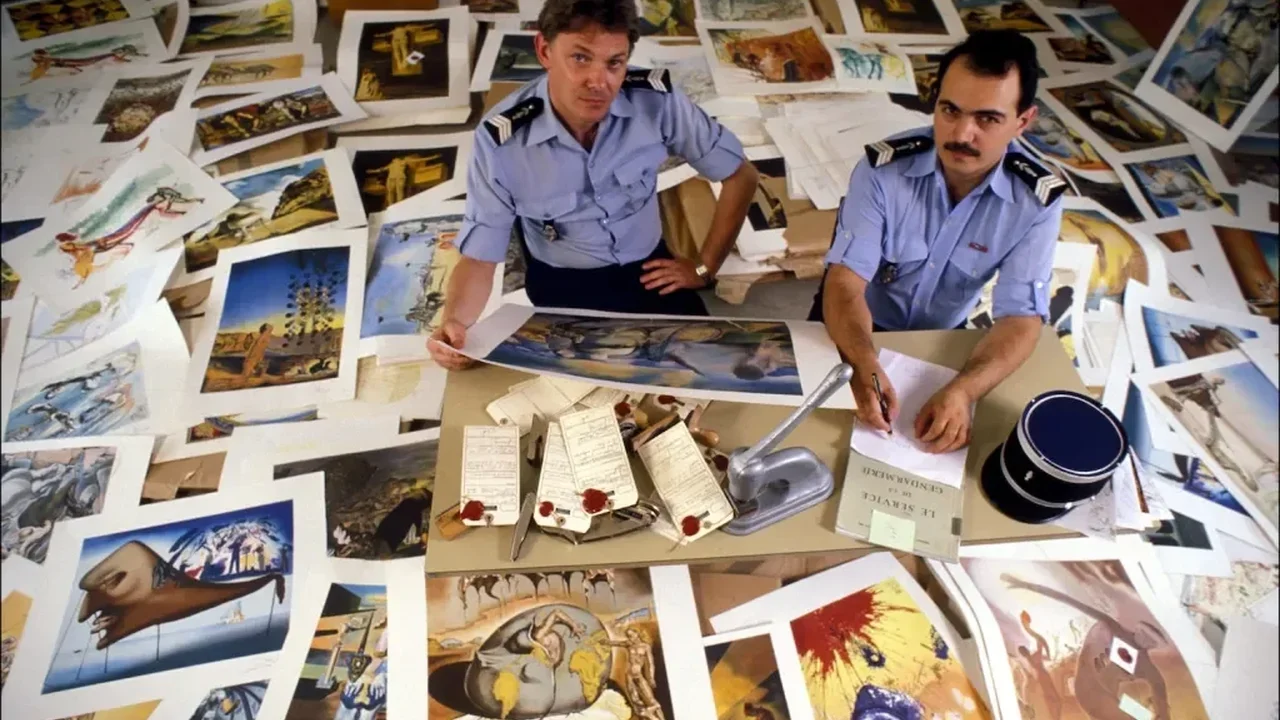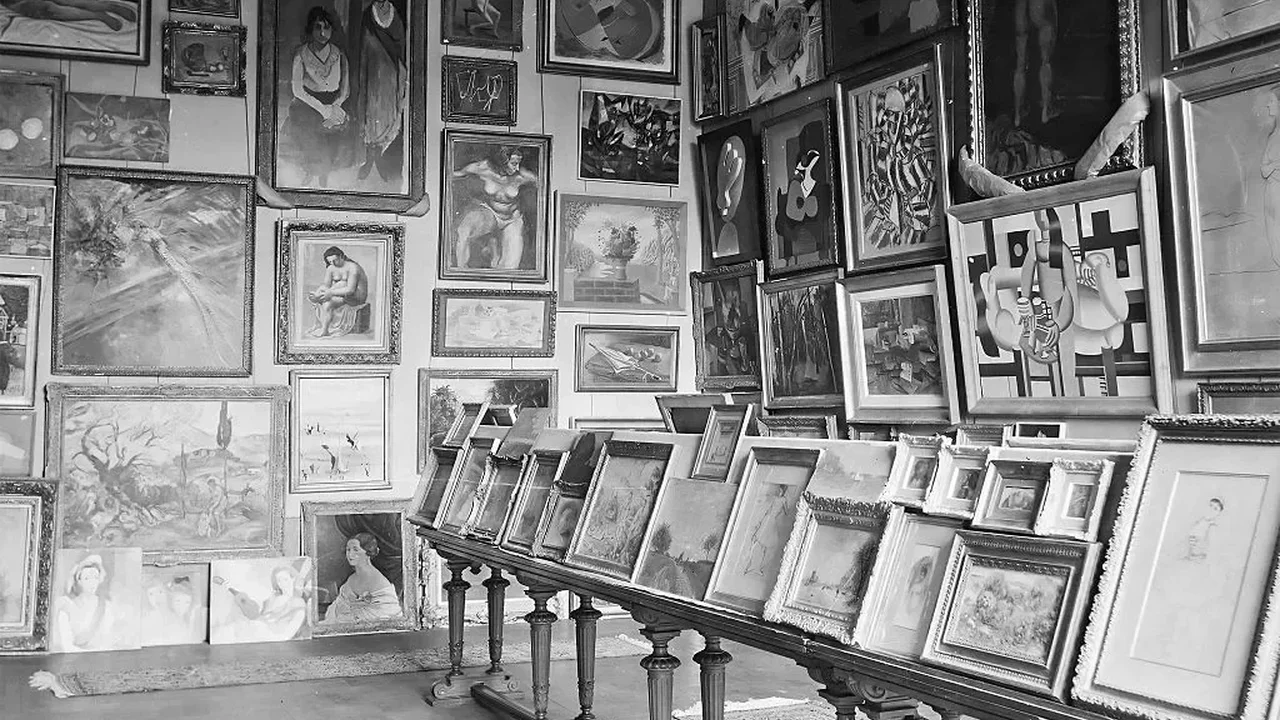
Researchers at Santa Clara University have introduced an AI chatbot designed to help people explore the history of artworks linked to Nazi-era looting. The tool, called AI Provenance Research, connects users to a searchable, illustrated database with more than 40,000 records.
The project brings together management professor Michael Santoro and analytics professors Haibing Lu and Michele Samorani. Their goal is to make scattered provenance data easier to navigate by translating complex archives, catalogs, and multilingual records into a more accessible digital experience.
How the tool works
Users can type questions in everyday language, and the system converts them into database queries. The first phase focuses on records from the Jeu de Paume database in Paris, which documents artworks taken from Jewish collectors in German-occupied France and Belgium between 1940 and 1944.
Santoro said the idea grew from following a long-running restitution effort connected to a Jewish Austrian cabaret performer's family history. He also sees wider potential for the same approach in researching Indigenous art and cultural objects held in museums.
While the platform is still being refined, the team plans to expand its reach by adding more archives and datasets. They also hope to publish their findings and build a foundation that could support legal and provenance expertise in future recovery work.
This kind of AI-assisted research may help cultural institutions, scholars, and families uncover hidden histories more efficiently, shaping a more connected future for heritage preservation.