Artistic authenticity can be difficult to pin down: a copy reproduces an existing work, while a forgery imitates an artist's style to pass off a new creation as theirs. The distinction becomes more complex when artists repeat their own work or deliberately question the idea of originality.
Nine artists whose work has been repeatedly copied include Jean-Baptiste-Camille Corot and Honoré Daumier, whose popularity attracted imitators, as well as sculptor Auguste Rodin and American painter Frederic Remington. A review of 248 works submitted for Remington authentication found only 53 to be genuine.
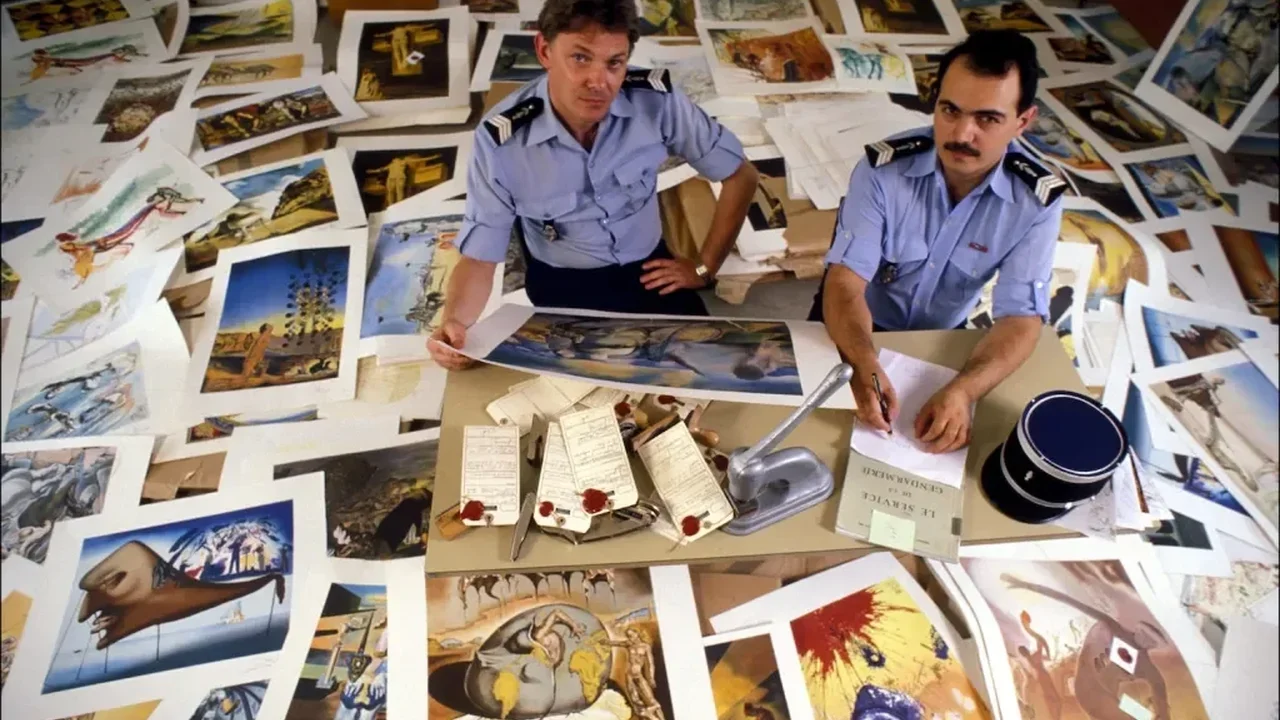
Amedeo Modigliani's works have also faced persistent attribution questions, in part because the artist gave away drawings and left a limited paper trail. Giorgio de Chirico presents a different puzzle: he made copies of his own earlier paintings, sometimes backdating them. Salvador Dalí's practice of signing blank sheets later contributed to uncertainty around prints.
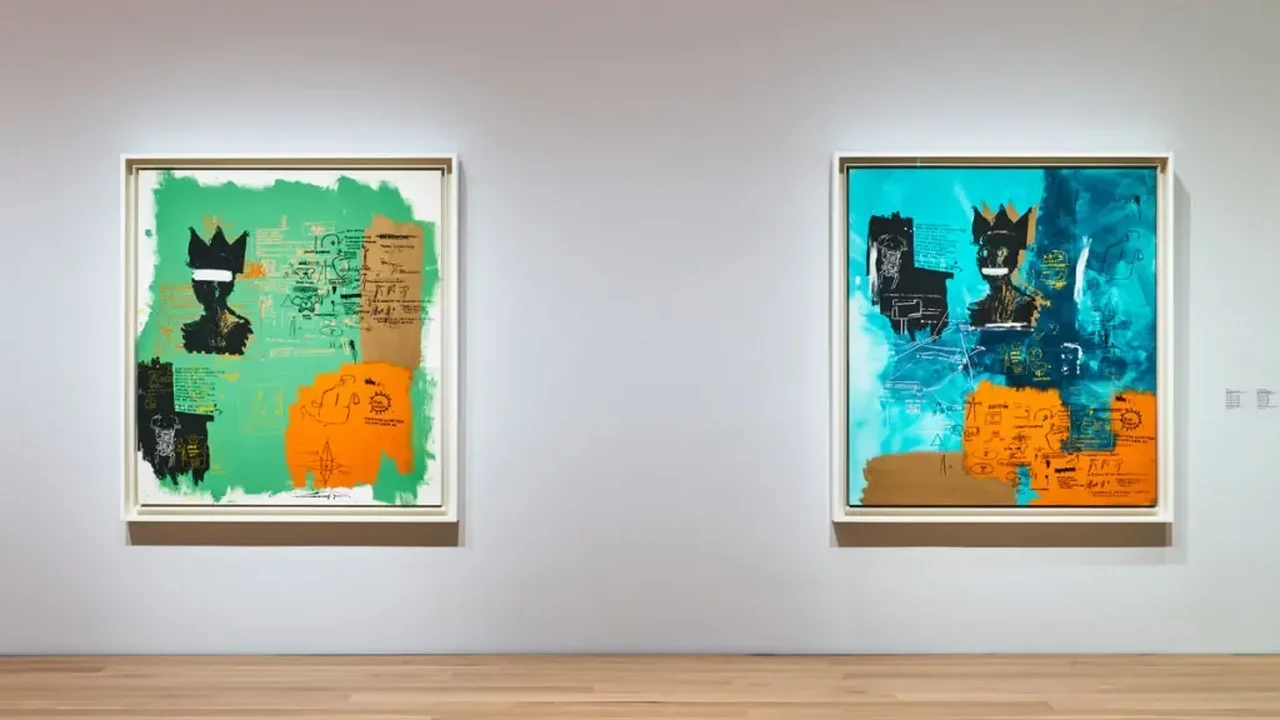
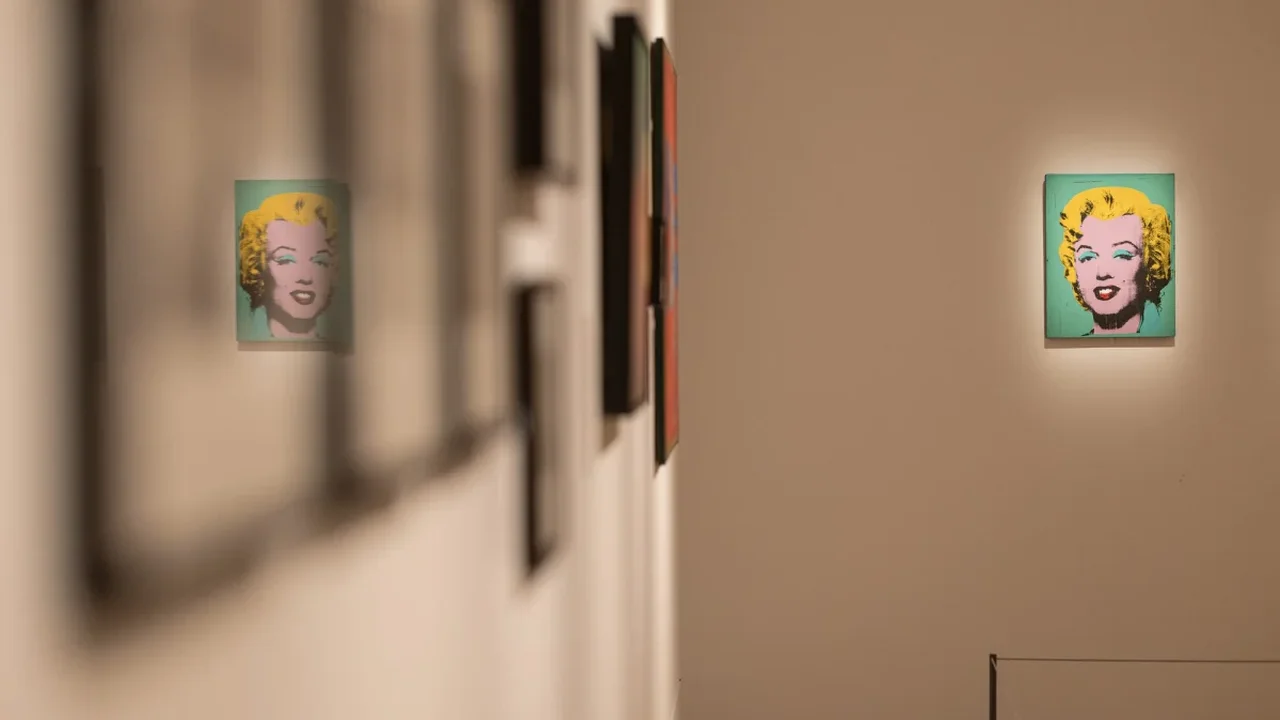
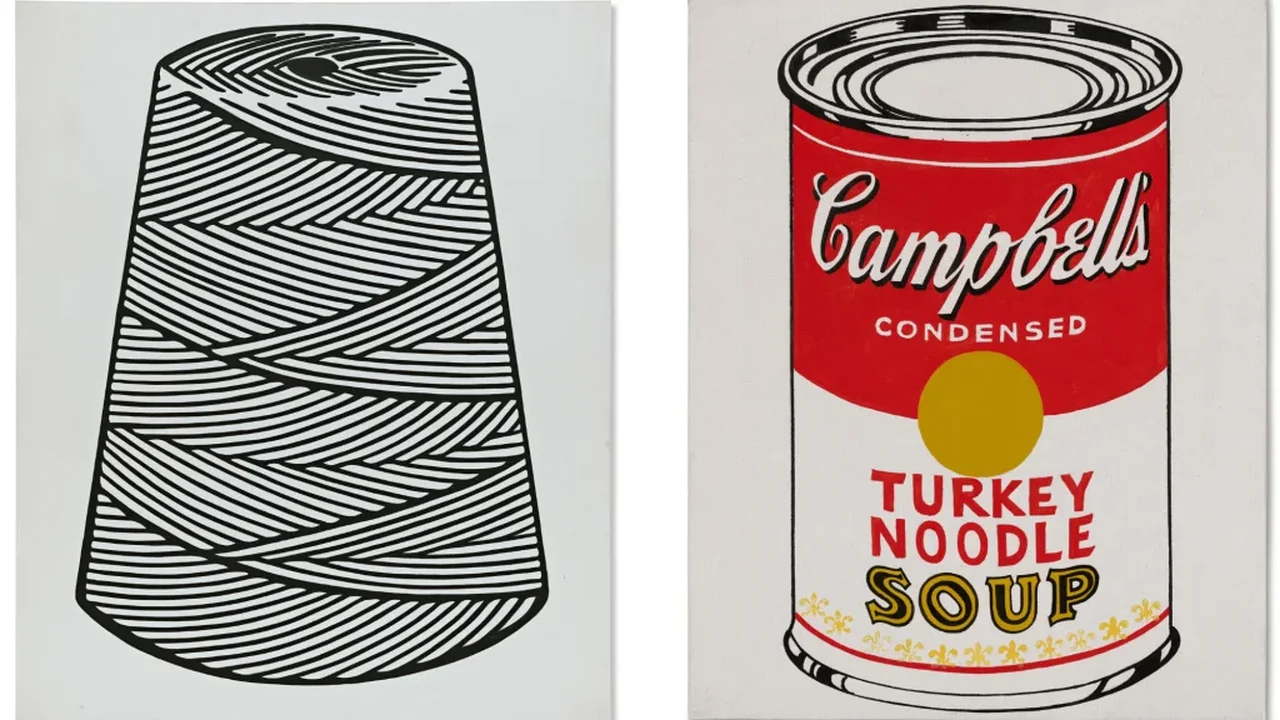
Andy Warhol's mass-production aesthetic can make copies harder to distinguish, while demand for Jean-Michel Basquiat's work has drawn imitators. In some cases, even prominent collections have revisited attributions: the Metropolitan Museum of Art restored a portrait of King Philip IV to Diego Velázquez in 2010 after it had previously been attributed to an assistant.
How experts assess authenticity
Authentication typically combines stylistic examination, provenance--the documented history of a work--and scientific analysis of its materials. The balance differs by artist: material testing can help in some cases, while records and close visual study may be more revealing in others.
As research methods and catalogues evolve, more precise authentication could help museums and collectors understand artworks' histories and make better-informed decisions about what they preserve.