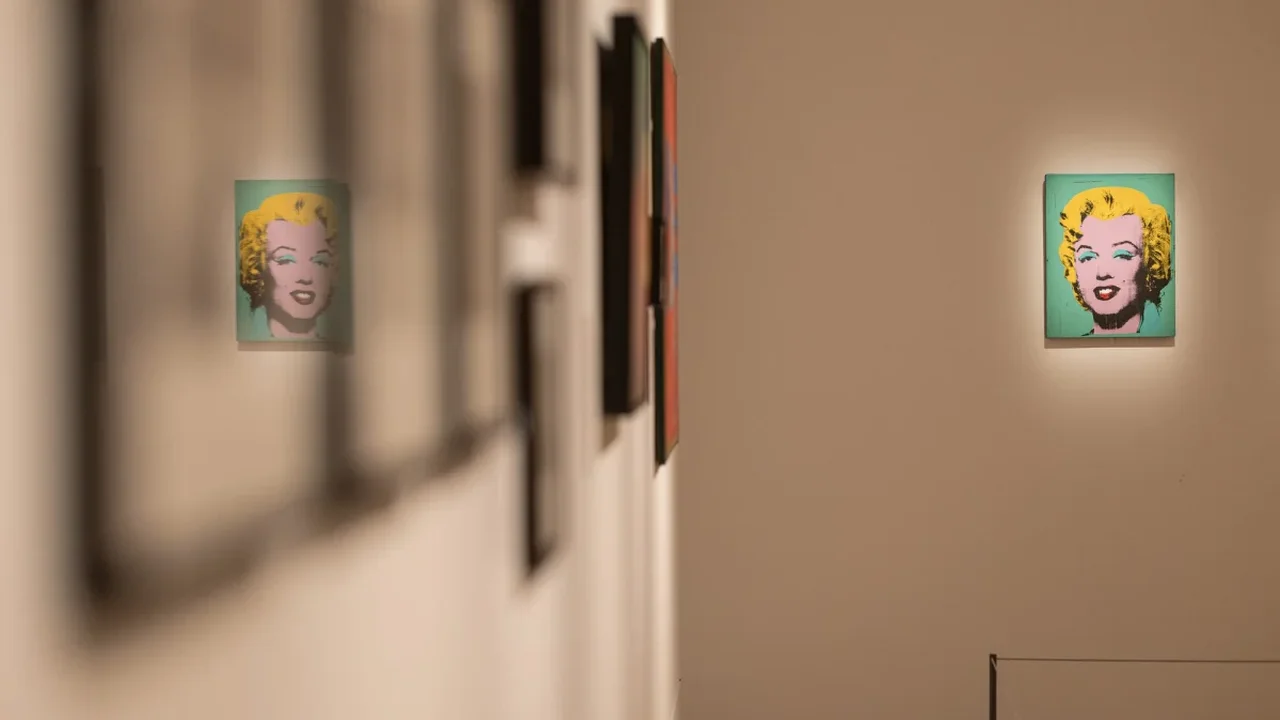
A civil lawsuit filed in Miami-Dade County has placed renewed focus on art-market transparency and the importance of rigorous authentication for collectible works.
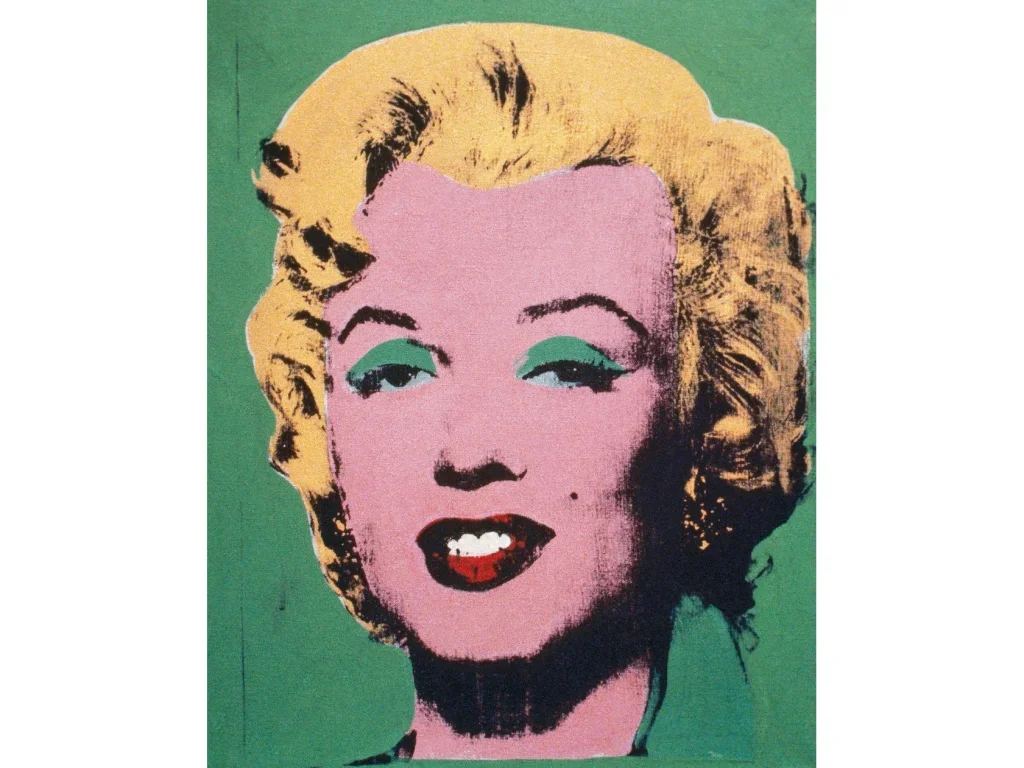
Real-estate investor Richard Perlman and his family allege they spent more than $6.7 million between 2023 and 2024 on over 200 artworks presented as creations by Andy Warhol. The filing claims that the works, including images of Superman and Queen Elizabeth, were inaccurately represented as genuine prints connected to the artist.
According to the complaint, a network of dealers, suppliers and intermediaries allegedly provided disputed provenance materials and authentication markings. The family's concerns reportedly intensified after an auction specialist raised questions about the works' authenticity.
Authentication remains central to collecting
The case highlights the complex path artworks can take through galleries, private dealers and international distribution channels. It also underlines the value of independently verifying certificates, ownership records, edition details and expert assessments before major acquisitions.
The Andy Warhol Foundation for the Visual Arts is referenced in the complaint because the artworks were allegedly presented as having a connection to the foundation. The foundation's former authentication board ceased operations in 2011, making provenance research and specialist review especially important for collectors considering Warhol-related works.
Warhol's enduring influence on contemporary visual culture has made his prints and imagery highly sought after worldwide. As the legal process continues, the case may encourage galleries, collectors and art-service providers to adopt clearer documentation standards and more traceable verification practices.
The growing use of digital registries, forensic analysis and transparent ownership records could help shape a more trusted, accessible future for the global art market.