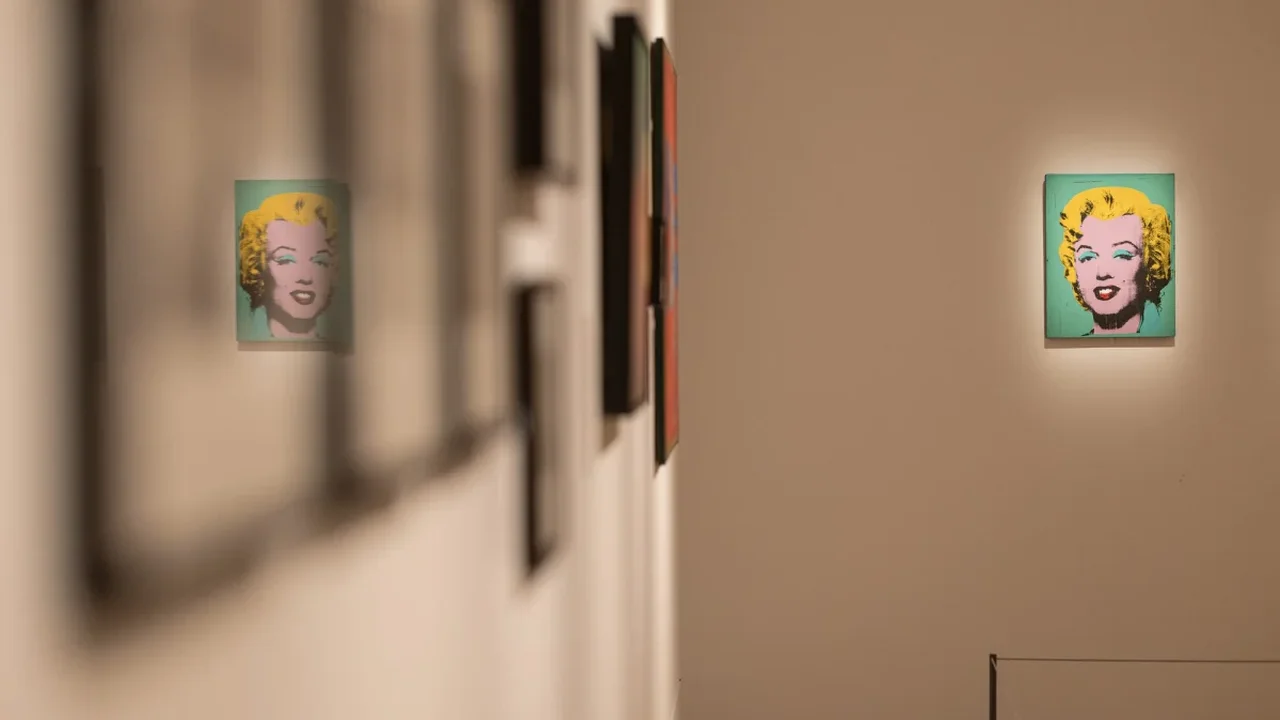
In August 1962, the world was shaken by the untimely death of Marilyn Monroe, a Hollywood icon. This pivotal moment coincided with the burgeoning career of Andy Warhol, who was then gaining recognition as a Pop artist. Warhol, inspired by the media frenzy surrounding Monroe's passing, embarked on a remarkable artistic journey that would yield over 50 paintings of the star within two years.
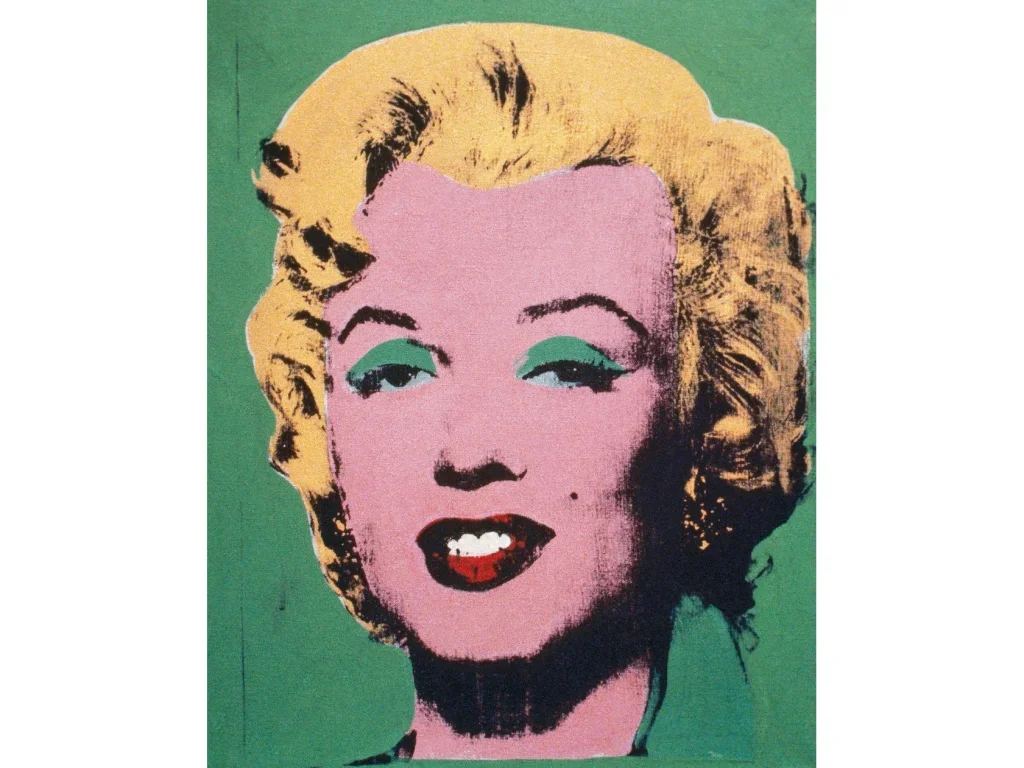
Utilizing a headshot from Monroe's 1953 film, Niagara, Warhol produced iconic works such as Gold Marilyn, which presents her as a modern-day Madonna, and Marilyn Diptych, a striking piece that juxtaposes 25 vibrant images of Monroe with 25 in black and white, symbolizing the fleeting nature of celebrity.
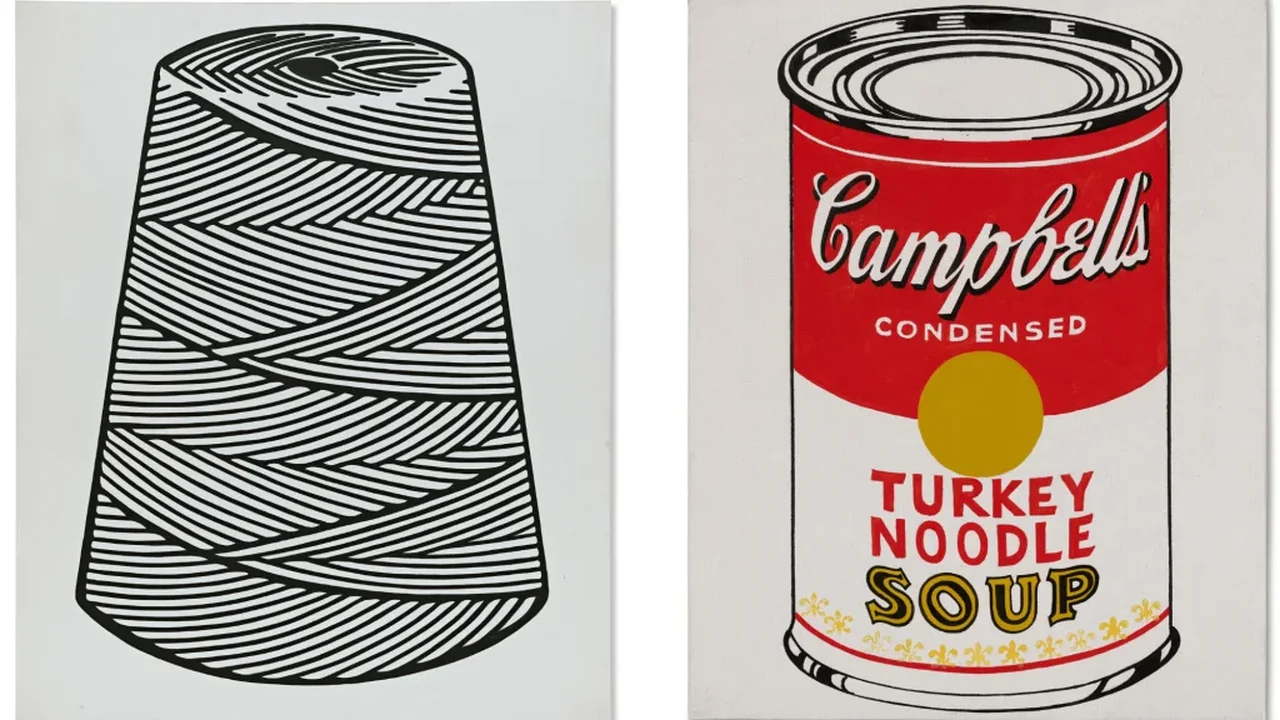
Warhol's exploration of repetition in art was not new; he had previously painted everyday objects like Campbell's Soup cans. However, Monroe's death marked a turning point, prompting Warhol to delve deeper into the concept of celebrity and the impact of fame. His first solo exhibition coincided with Monroe's passing, setting the stage for a transformative period in his artistic expression.
At this time, Warhol began experimenting with the silk-screening technique, which allowed him to produce images rapidly while maintaining a distinct aesthetic. This method not only streamlined his process but also introduced an element of chance into his work, as slight misalignments and blots created unique variations of each piece. Warhol's assistant, Nathan Gluck, encouraged this shift, suggesting silk-screening for its efficiency.
Warhol's Marilyn series became a profound commentary on the culture of adoration and consumption, reflecting how society idolizes and then discards its icons. Curator Douglas Fogle noted that the imperfections in Warhol's works reveal a humanizing aspect of Monroe, contrasting her carefully crafted public persona with the vulnerabilities hidden beneath.
In his 1962 exhibition at the Stable Gallery in New York, Warhol showcased a series of Marilyn paintings, each priced at $250, which quickly sold out. Among these, Gold Marilyn fetched $800, later becoming part of the Museum of Modern Art's collection.
A fascinating twist in the narrative occurred when performance artist Dorothy Podber shot four of Warhol's Marilyn paintings, leading to their rebranding as the Shot Marilyns. Despite their restoration, the bullet holes remain, adding to their allure and historical significance. The Shot Sage Blue Marilyn sold for over $195 million in May 2022, setting a record for the most expensive 20th-century artwork ever auctioned.
Warhol's tribute to Monroe not only immortalized her image but also redefined the relationship between art and celebrity culture, paving the way for future artists to explore similar themes. This legacy continues to influence contemporary art, demonstrating how the intersection of fame and creativity can shape cultural narratives.