Archaeologists in Serbia have uncovered a remarkably designed bathing complex at the ancient site of Vrelo-Šarkamen, offering a fresh look at the scale and sophistication of a Roman imperial residence.
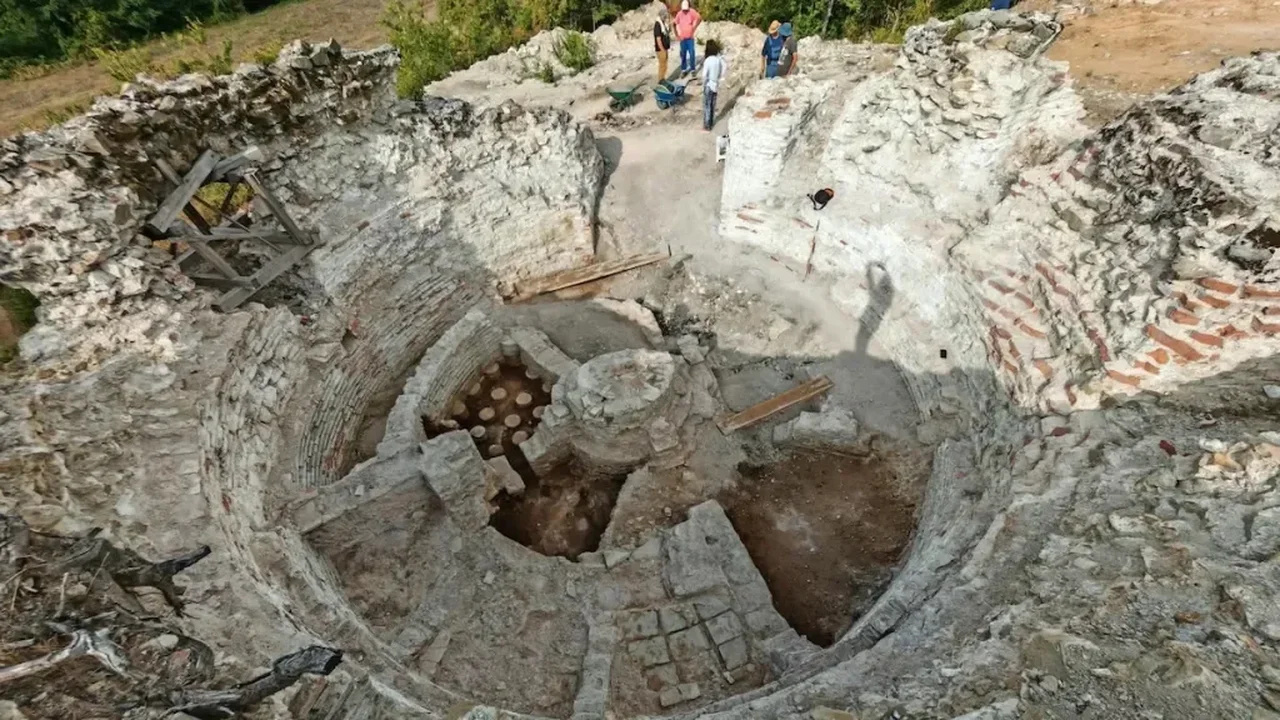
The discovery was made inside a fourth-century palace linked to Emperor Maximinus Daza, who ruled from 310 to 313 CE. The newly identified bath suite includes heated floors, three pools, and a sauna, all arranged in a way that stands out from the more familiar linear layout of Roman bathhouses.
Researchers from the Serbian Institute of Archaeology found the complex at the base of a tower, where a domed ceiling with six windows points to advanced engineering and careful architectural planning. Nearby, they also identified a furnace for warming the floors and remains of a boiler system used to heat water.
The institute says the bath was more than a practical facility for cleanliness. It appears to have been a private, high-comfort space designed for elite residents, combining architecture, technology, and daily life in a single refined setting.
This discovery adds a new layer to the understanding of Roman luxury in the Balkans and may help historians better map how imperial spaces were designed across the empire. It also shows how archaeology continues to reveal the ingenuity behind ancient living environments, shaping future research on Roman innovation.