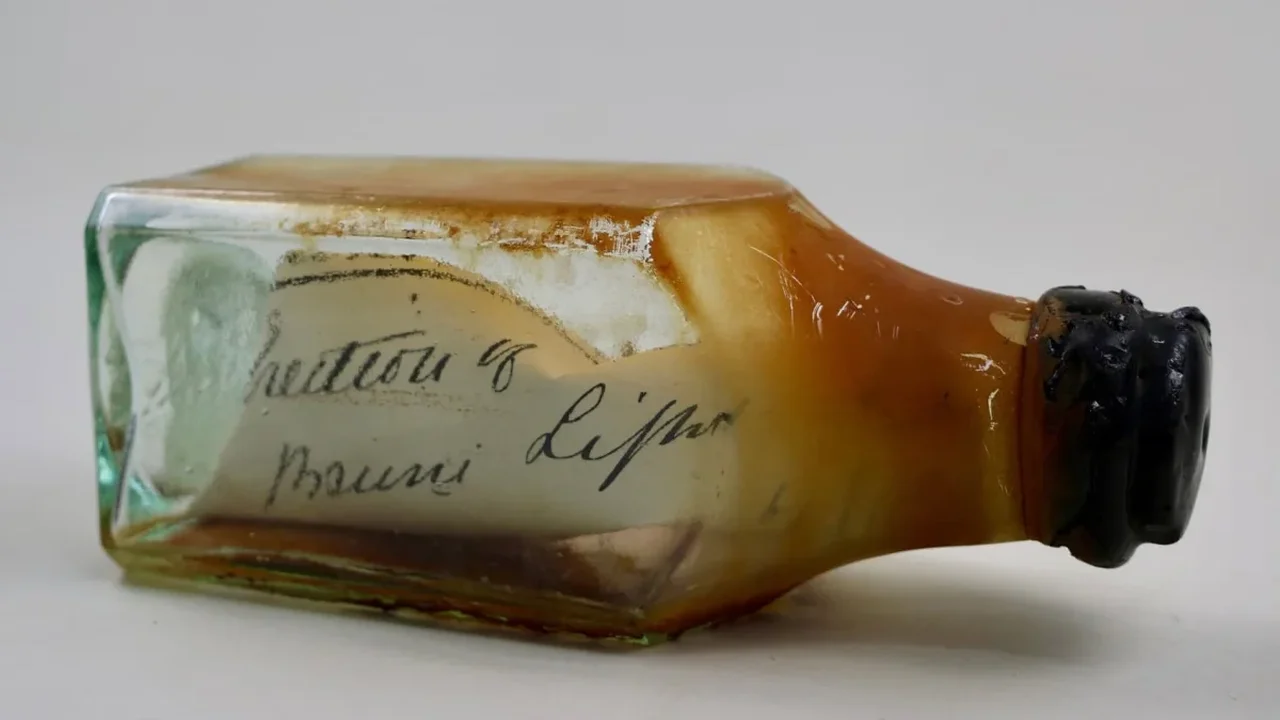
A routine restoration project at Tasmania's Cape Bruny Lighthouse has revealed a remarkable piece of maritime history: a sealed bottle containing a letter written in 1903.
Specialist painter Brian Burford discovered the bottle inside a previously inaccessible cavity in the lighthouse's lantern room. Built in 1838, the landmark is among Australia's oldest surviving lighthouses and has guided vessels along the coast for generations.
A Record of a Major Upgrade
The two-page document was written by J.R. Meech, then inspector of lighthouses for the Hobart Marine Board. Dated January 29, 1903, it records a significant modernization of the site, including a new staircase, flooring, lantern room and lens.
Meech also noted the project's cost, the light's updated flashing sequence and the names of people involved in the work. The letter offers an unusually detailed snapshot of how coastal infrastructure was improved more than a century ago.
The upgrade took place nearly 70 years after the lighthouse was first illuminated. Historical records also indicate that superintendent William John Hawkins, who served at Cape Bruny between 1876 and 1914, contributed to the modernization period. The lighthouse had gained a telegraph connection the previous year, reflecting the era's growing communication networks.
Conservation With Precision
Experts at the Tasmania Museum and Art Gallery carefully opened the bottle, which had been protected by a cork sealed with bitumen. Removing the hardened material and extracting the tightly folded paper required meticulous conservation work to protect the fragile document.
After more than a century in isolation, the letter has become a tangible link between the engineers, keepers and craftspeople who shaped Tasmania's maritime heritage. It also demonstrates how restoration work can bring overlooked historical records back into public knowledge.
Discoveries like this may encourage new approaches to preserving historic buildings, combining careful conservation with a renewed appreciation for the stories hidden within them.