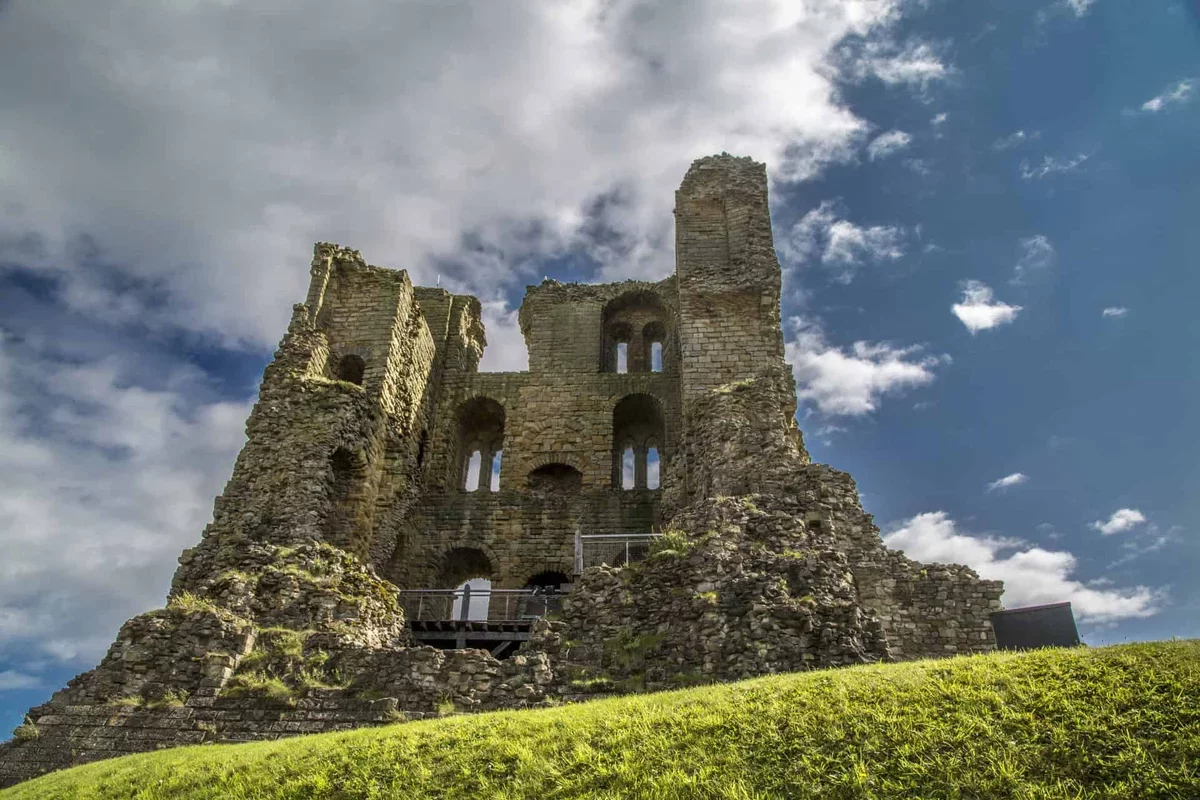
Archaeologists at Scarborough Castle have uncovered a long-forgotten underground monitoring post from the 1960s, adding a striking modern chapter to one of England's most layered heritage sites.
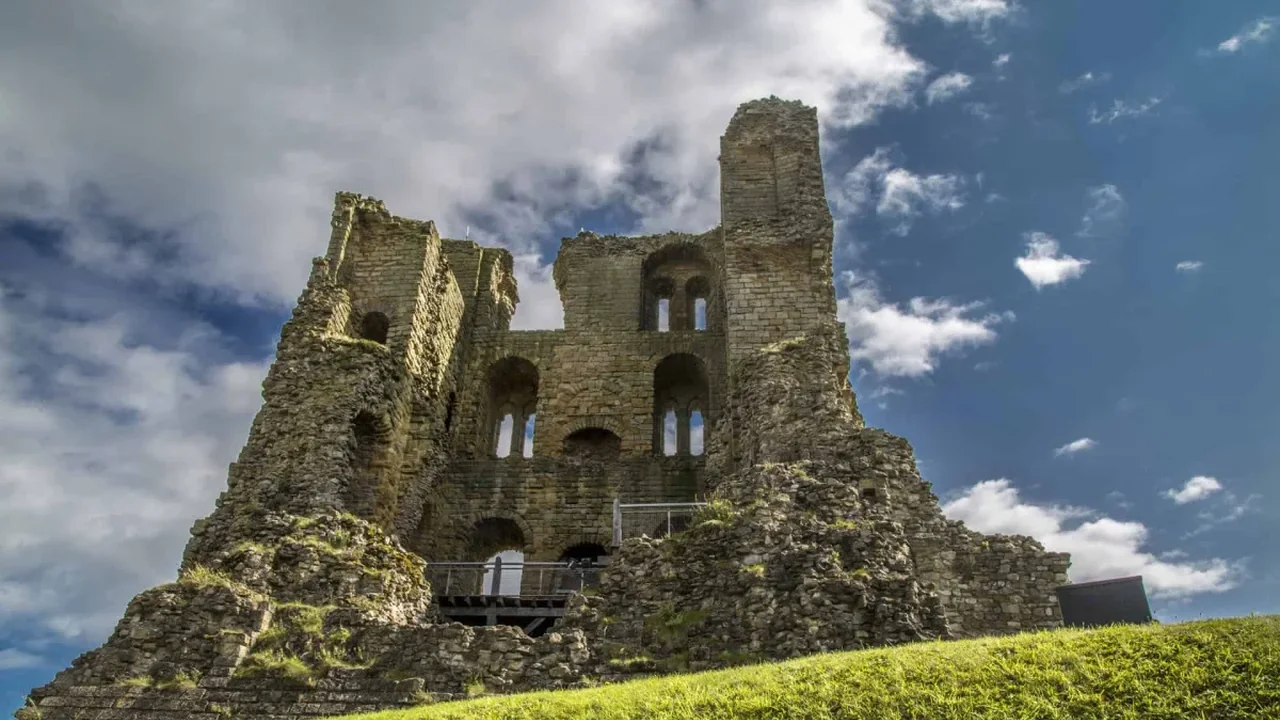
Managed by English Heritage, the coastal fortress is already known for traces of Iron Age, Roman, Scandinavian and Anglo-Saxon activity, alongside its celebrated medieval architecture. The newly located structure reveals how the headland continued to serve as an observation point well into the twentieth century.
A hidden chapter beneath the castle
The compact bunker was commissioned in 1963 for the Royal Observer Corps, a nationwide network that monitored the environment using specialist posts across Britain. Sealed in 1968, its exact position gradually disappeared from public memory.
English Heritage identified the site through ground-penetrating radar before archaeologists excavated the access area. The structure was built using a "brick and works" method, with brickwork forming the initial shell before concrete was added for protection. Some surviving bricks still carry manufacturing stamps linked to Scarborough.
Preservation beneath the surface
The main access shaft had been sealed with concrete, while water filled much of the interior. Although the chamber cannot currently be opened to visitors, the enclosed conditions helped preserve elements including a wooden door, painted surfaces and parts of the original fittings.
Investigators used a flexible inspection camera to assess the space after clearing the ventilation shaft. The bunker follows a standard Royal Observer Corps layout, designed for a small team with basic communication equipment, sleeping areas, air filtration and limited water supplies.
The find expands the story of Scarborough Castle beyond its medieval identity. From ancient settlement and Roman signalling to a twentieth-century observation post, the site reflects how successive generations adapted the same prominent landscape for new purposes.
As heritage research combines archaeological fieldwork with non-invasive surveying technologies, discoveries like this can help historic places reveal overlooked layers of human innovation and memory.