At Budapest's Aquincum Museum, a new exhibition is turning ancient remains into vivid human stories. Using CT scans, skeletal analysis, ancient DNA and forensic sculpture, specialists have reconstructed the faces of 16 people who lived in Roman-era Aquincum, a city once positioned on the Danube frontier.
One of the most striking reconstructions belongs to a young woman whose skull survived for nearly 1,700 years. She was buried with a laurel wreath, fine clothing, cork sandals and a painted portrait nearby, yet her appearance had long remained unknown. Today, museum visitors can see a carefully built facial approximation based on scientific evidence.
Science Meets Museum Storytelling
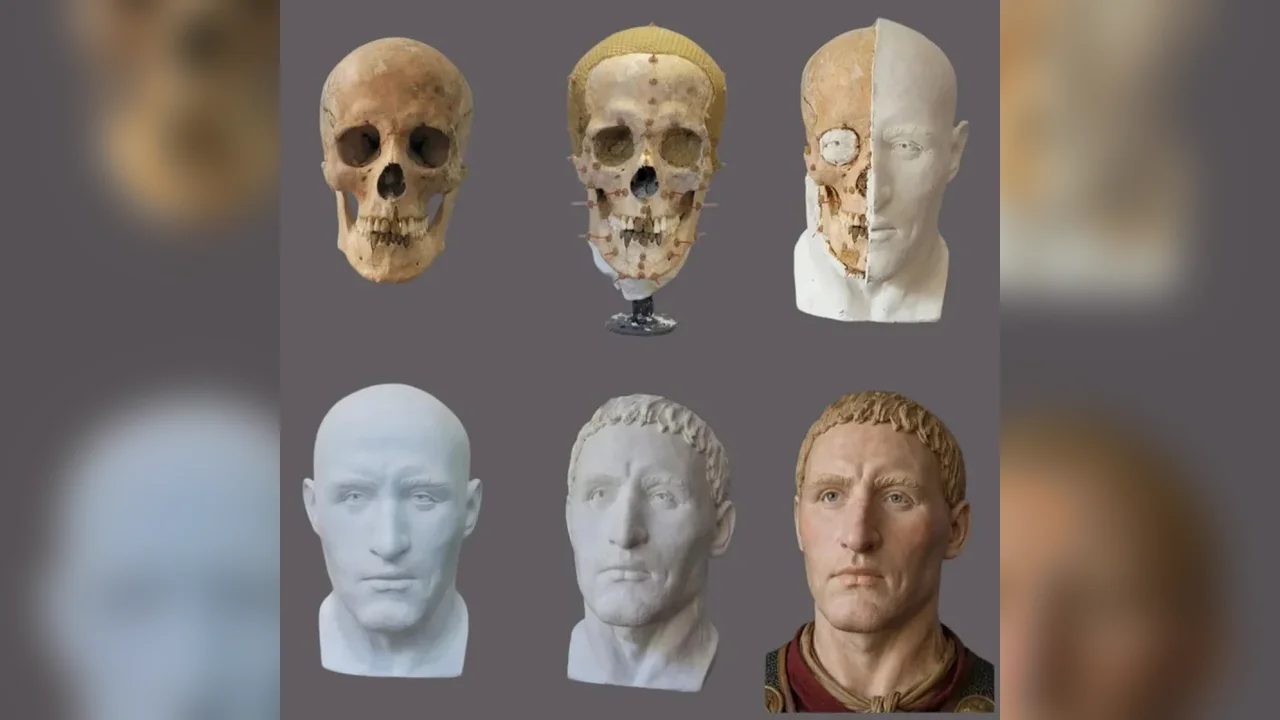
Each face began with a high-resolution scan of the original skull, followed by a 3D-printed copy to protect the ancient remains. From there, artist Emese Gábor worked from anatomical landmarks to estimate muscle, skin and fat depth, shaping features such as the jawline, cheekbones and overall proportions.
The museum emphasizes that these are not exact portraits. Facial approximation can suggest likely features, but it cannot recover every detail, including hairstyle, expression or the precise shape of the lips and ears. Still, the result offers a powerful bridge between archaeological data and modern audiences.
Six of the reconstructions were transformed into life-size silicone figures, complete with painted skin, hair, eyelashes and historically informed clothing. The exhibition also gives each person a name, occupation and imagined biography, helping visitors connect with the everyday lives of people often absent from official history.
Among them are a laborer, a blacksmith, a stable boy, a soldier, a child and a woman interpreted as a healer or nurse. The display also highlights the work of anthropologist Ágnes Kustár, who created the first reconstructions before her death in 2023, with the expanded project completed in her memory.
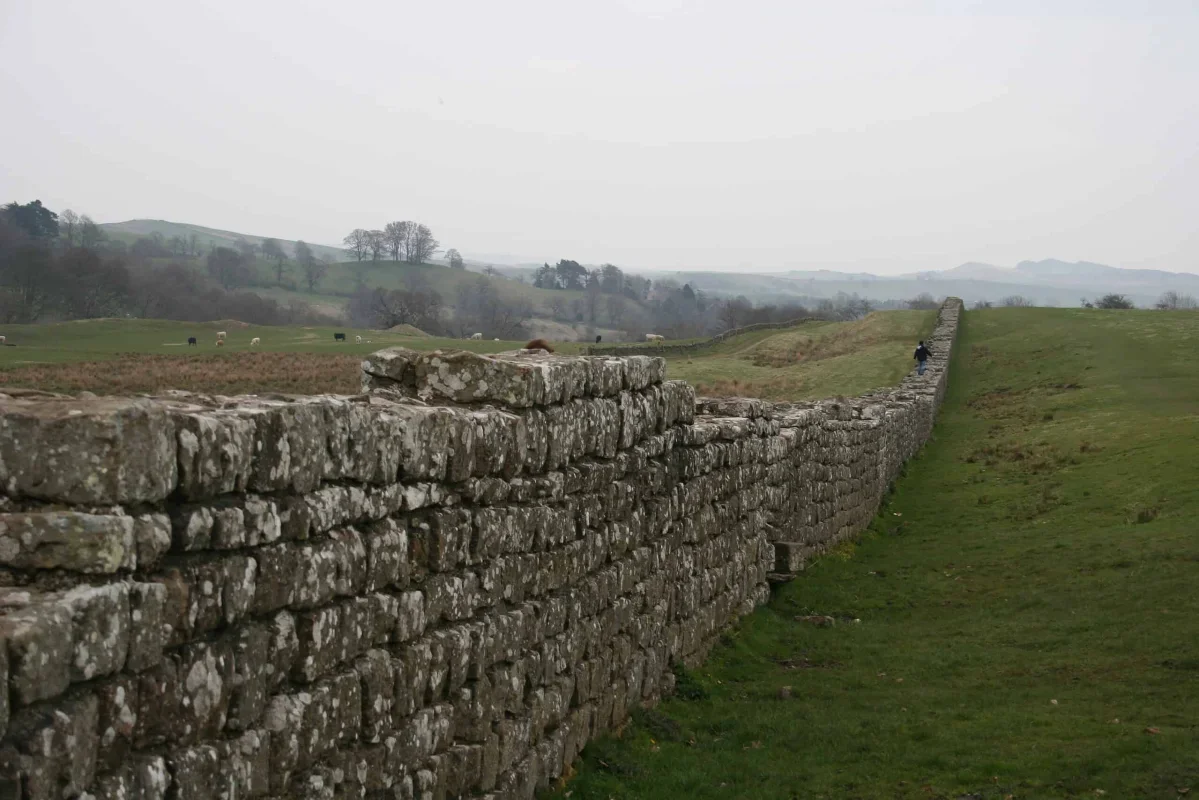
Aquincum itself was a diverse Roman center, shaped by Celtic roots and later by military and administrative life. Genetic and archaeological evidence points to connections reaching beyond the region, reflecting a community formed by movement, trade and cultural exchange.
By combining archaeology, digital imaging and artistic interpretation, the exhibition shows how science can restore presence to the past. In the future, this kind of work may reshape how museums bring ancient civilizations into everyday public life.