Welcome to the latest insights on the evolution of urban transportation. The concept of robotaxis has made significant strides, yet their widespread adoption remains contingent upon overcoming various challenges.
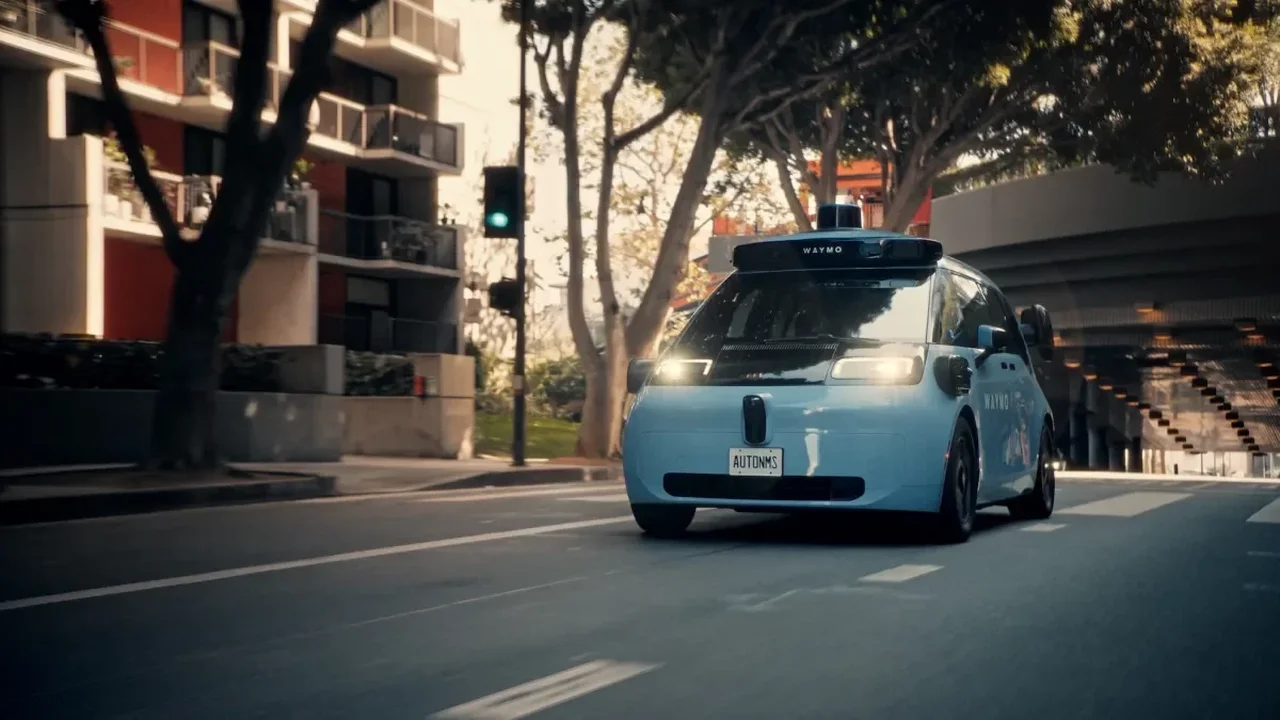
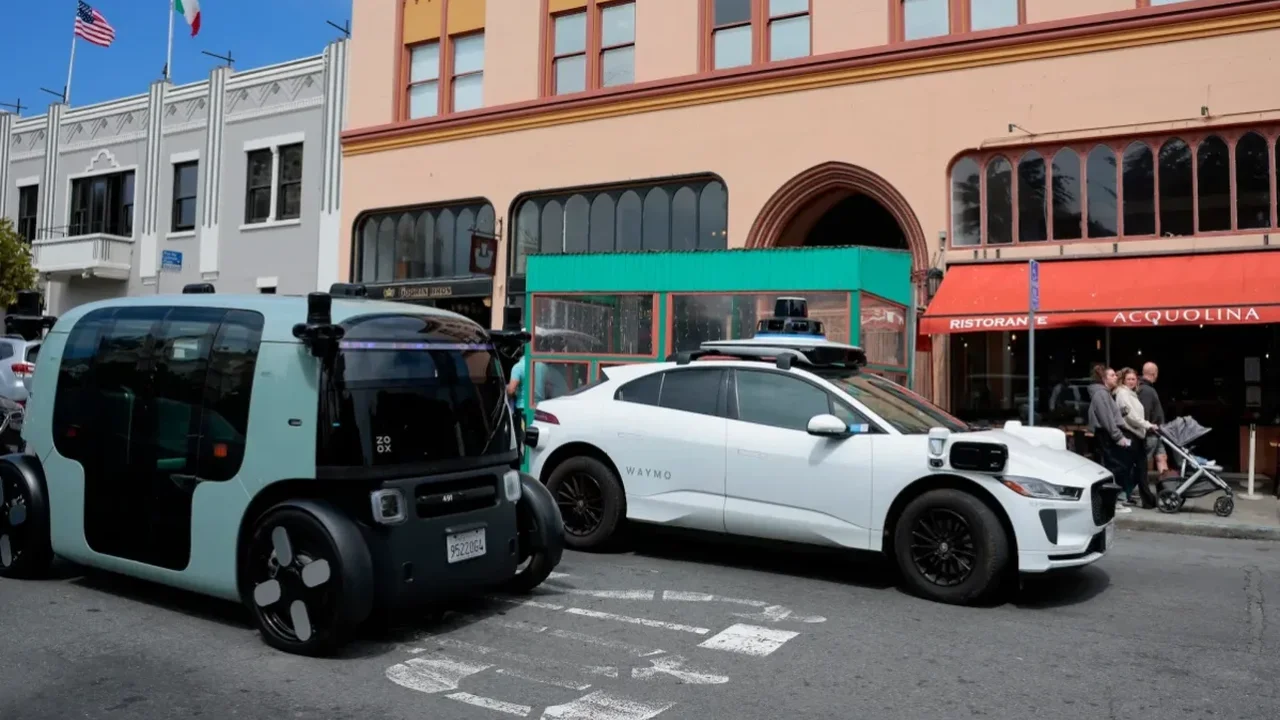
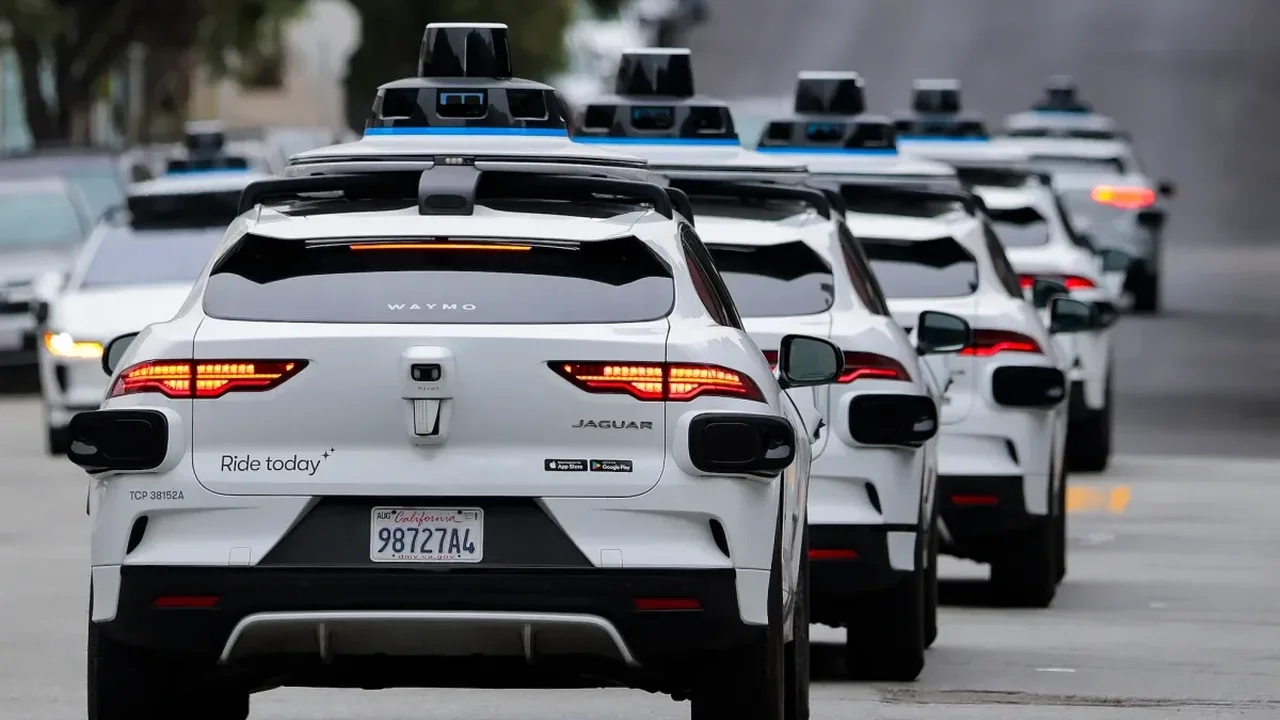
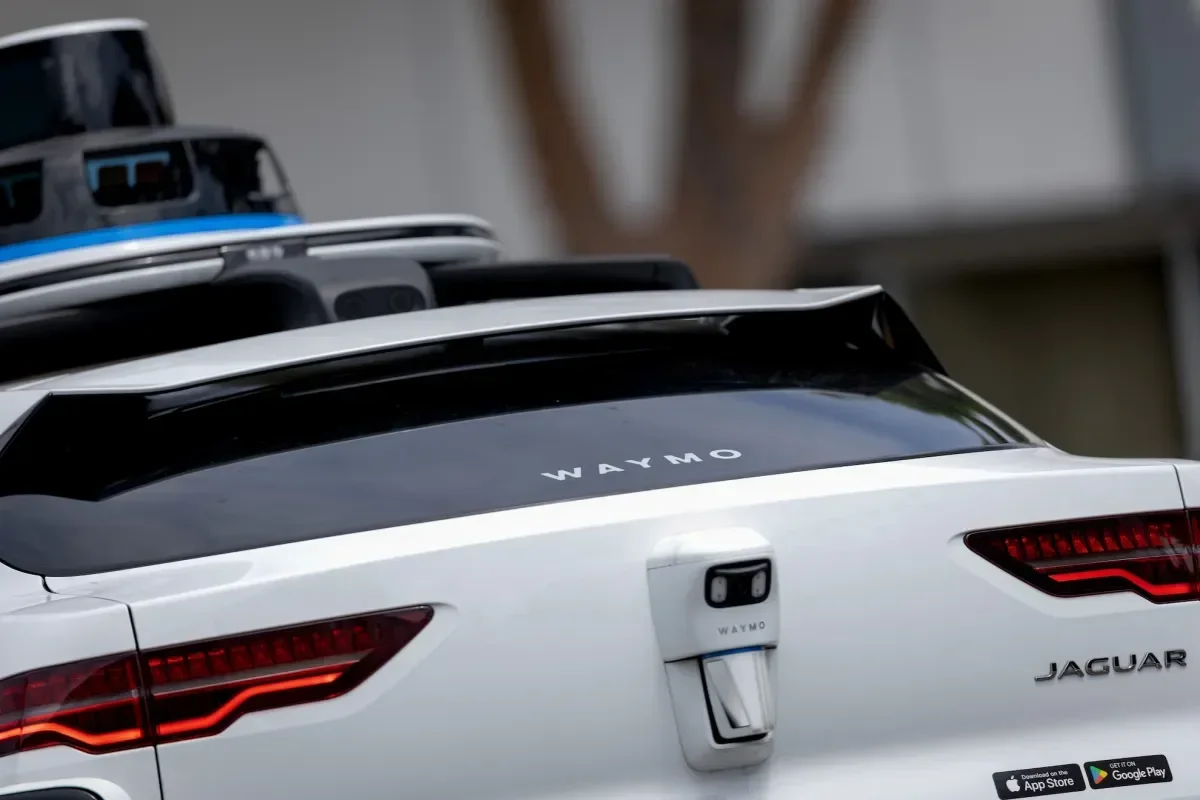
Waymo, a frontrunner in the autonomous vehicle sector, exemplifies this duality. While robotaxis are operational in cities like San Francisco, their reliability is under scrutiny. Recent challenges, such as heavy rainfall and flooded streets, have led Waymo to temporarily suspend services in several cities, including Atlanta and Austin, as they work to enhance the technology's adaptability to adverse conditions.
These operational pauses serve as a reminder that the journey towards fully commercialized autonomous vehicles is ongoing. Waymo's experience highlights the complexity of real-world scenarios that autonomous systems must navigate. Each new city or service expansion unveils fresh challenges, underscoring the importance of rigorous testing and refinement.
Innovations in Autonomous Mobility
In parallel developments, partnerships are forming to bolster the robotaxi landscape. May Mobility, an innovative player in autonomous technology, has entered a strategic agreement with Ecarx, a tech firm backed by Geely's founder. This collaboration aims to deploy thousands of customized robotaxis, with plans for initial deployment next year and full commercialization by 2028, representing a significant investment of approximately $750 million.
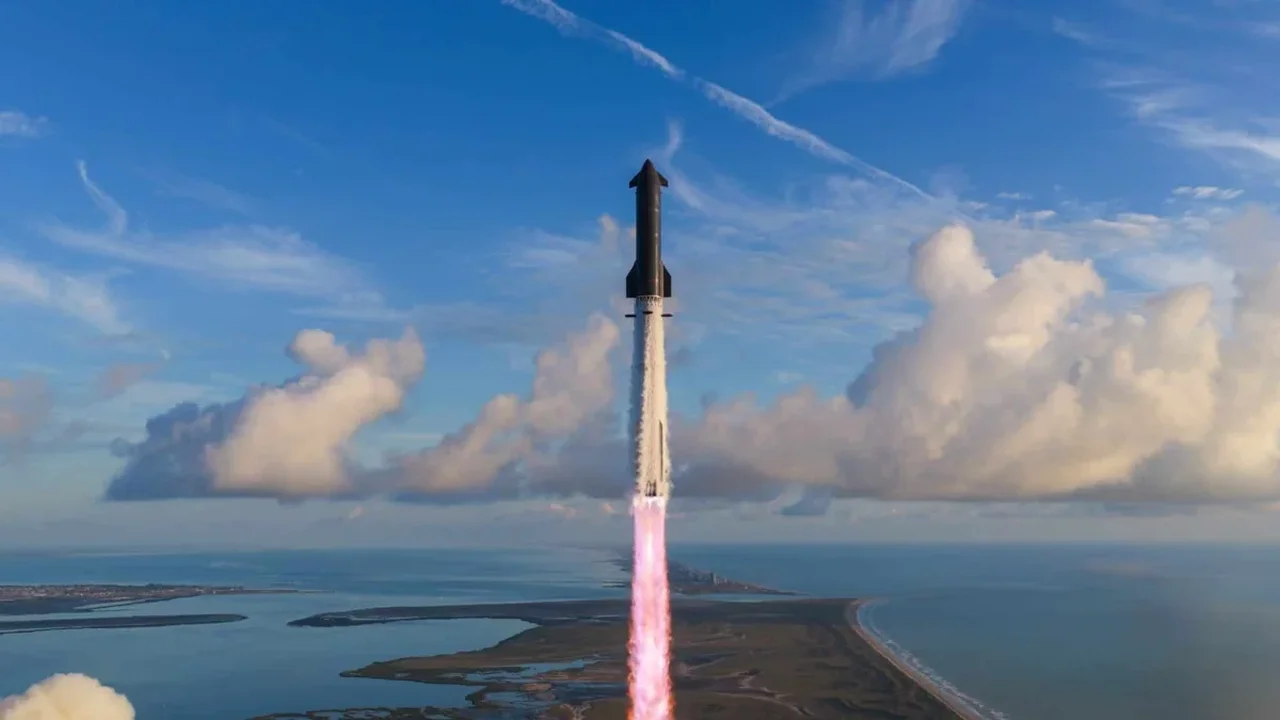
Furthermore, the interconnectedness of companies like SpaceX and Tesla is shaping the future of transportation. SpaceX's recent IPO filing reveals intricate financial ties with Tesla, showcasing how resources can be leveraged across different ventures. This synergy may pave the way for groundbreaking projects, including a chip-manufacturing facility and an AI platform designed to enhance human capabilities.
As the landscape of autonomous vehicles evolves, it raises intriguing questions about future integrations and potential mergers between leading companies in the sector. The collective advancements in technology, from enhanced vehicle designs to sophisticated AI systems, are setting the stage for a transformative era in urban mobility.
In summary, while the arrival of robotaxis is promising, the path to seamless integration into everyday life is filled with hurdles. The ongoing advancements and collaborations in the field are likely to redefine urban transportation, making it not just a possibility but a new reality for future generations.