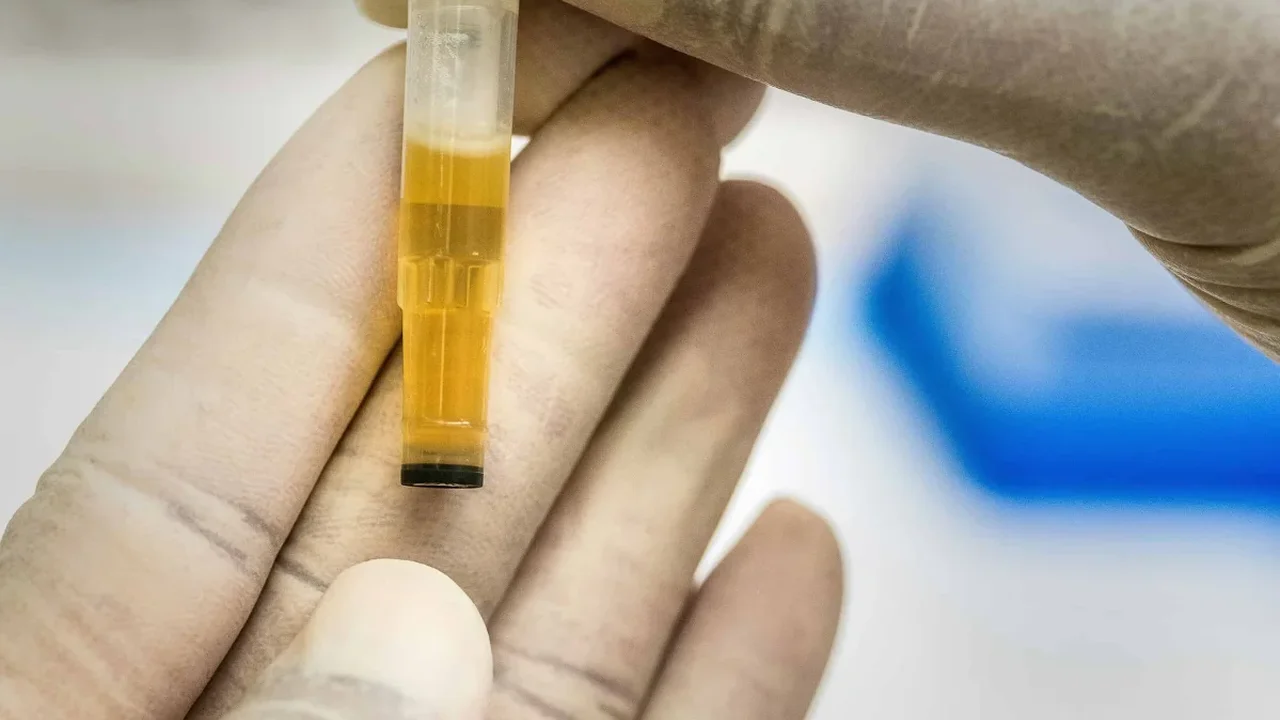
Researchers at Stanford University have developed an experimental urine test that detected about 95% of localized bladder cancers in a study. The method could also help indicate which patients may respond better to immunotherapy or chemotherapy.
Reading RNA signals in urine
Called uRARE-seq, the test analyzes tiny fragments of cell-free RNA in urine. These molecules can reveal patterns of gene activity linked to tumors, offering information beyond the mutations typically examined in DNA-based tests.
The study assessed 683 urine samples from 515 people. The test detected about 95% of localized cancers with 90% specificity. In a comparison involving 93 samples, it identified 89 cancers, while standard urine cytology detected 32. The difference was particularly notable for low-grade tumors.
Potential to guide treatment
In a smaller group of patients treated with surgery and BCG immunotherapy, urine RNA signals were associated with later outcomes. Researchers also found that gene activity patterns might help distinguish patients more likely to benefit from BCG from those who could respond better to chemotherapy delivered into the bladder.
The approach remains experimental. Larger studies across multiple hospitals are needed to confirm its performance, and it is not ready to replace cystoscopy. The findings were published in Nature Medicine.
If validated in broader clinical studies, RNA testing could help make bladder cancer detection and treatment monitoring less invasive and more tailored to individual patients.