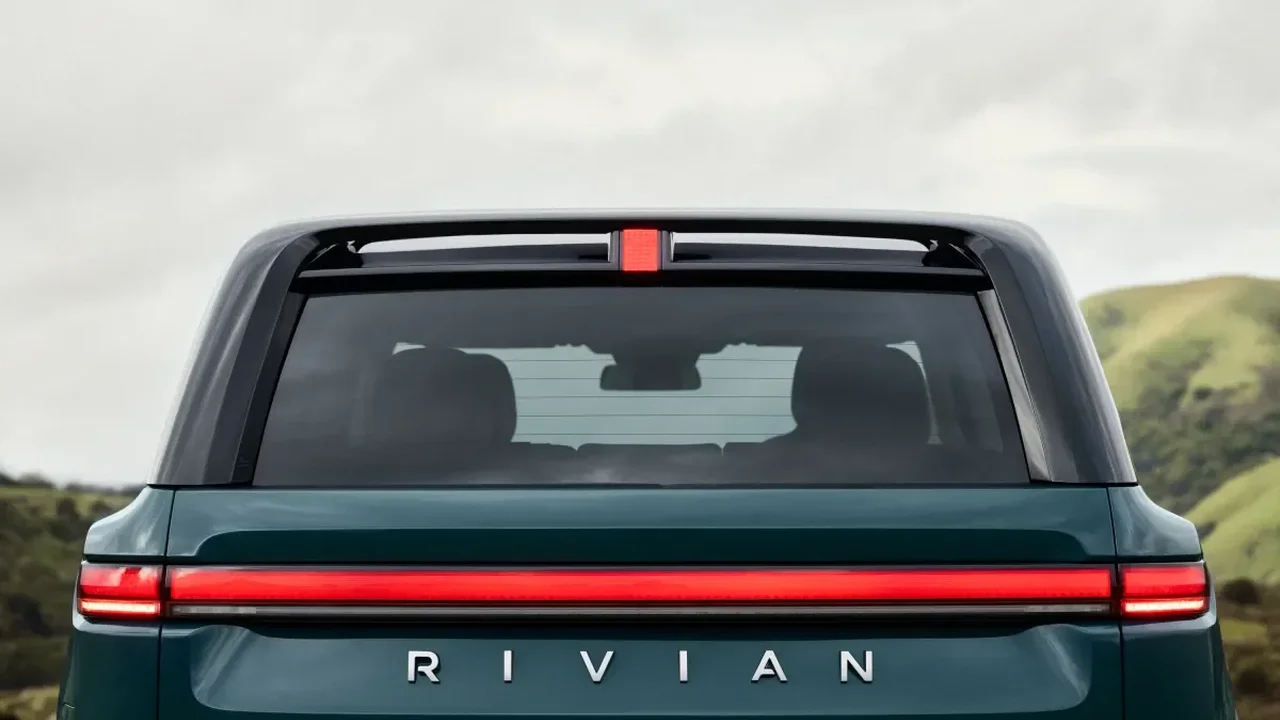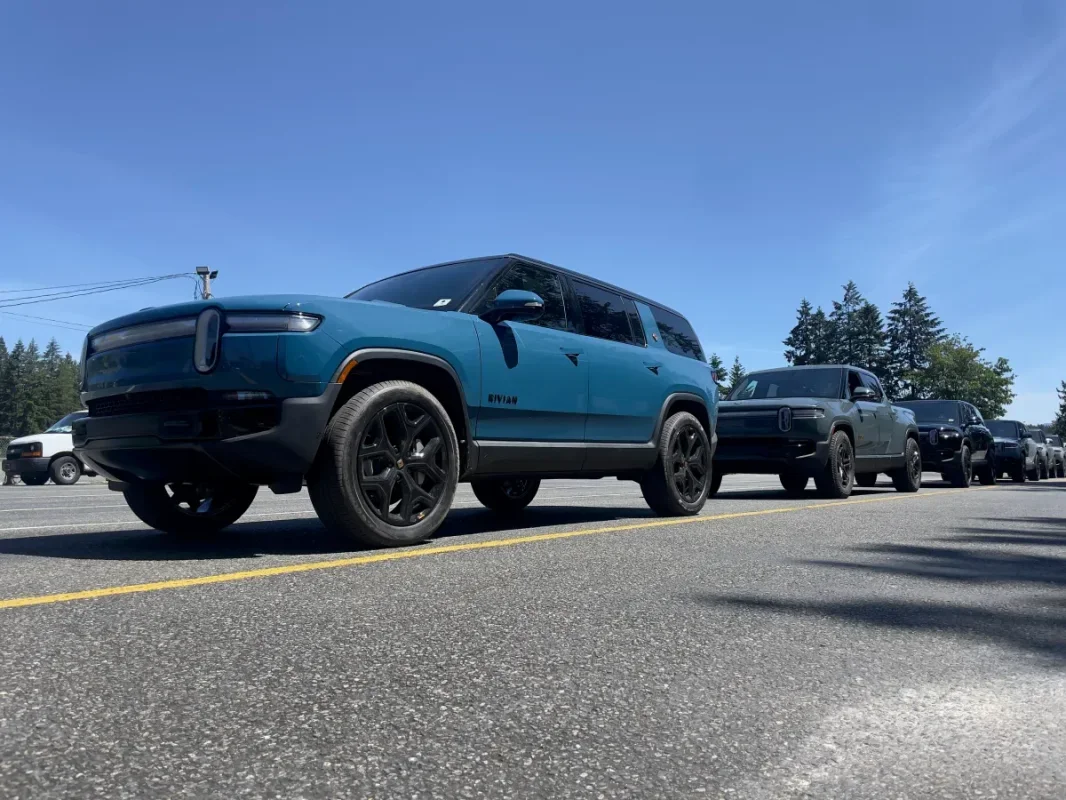
The National Highway Traffic Safety Administration (NHTSA) has initiated an investigation into Rivian's handling of rear suspension components in its R1 electric vehicle models. This decision follows reports from two vehicle owners who experienced loss of control while driving.
The NHTSA's Office of Defects Investigation (ODI) revealed that both vehicles had undergone servicing, with one having been involved in a prior collision. In March 2025, Rivian acknowledged a "sensitivity to service procedures" concerning the rear toe link, an essential suspension element that maintains wheel alignment. In response, the company revised its service protocols for this component.
The ongoing investigation will assess why the rear toe link in Rivian's R1 vehicles is sensitive to typical road and maintenance conditions. It will also compare the two reported incidents, review Rivian's current repair methods for the toe link, and evaluate the overall condition of other R1 vehicles from the 2023-2024 model years. Approximately 115,000 vehicles may be impacted by this inquiry.
Earlier this year, Rivian recalled nearly 20,000 vehicles that had received the toe link service before the March 2025 updates. The company emphasized its commitment to safety, stating, "Rivian data indicates R1 toe link joints are operating as intended." Notably, they mentioned that one of the vehicles involved was serviced at a third-party facility.
Both owners who filed complaints reported a sudden loss of control due to a fractured toe link bolt. One incident involved a Rivian R1 that swerved into another vehicle at highway speeds and collided with a guardrail. Another owner recounted their R1S veering erratically across lanes and onto sidewalks after the left rear toe link broke, resulting in personal injury.
This investigation coincides with Rivian's upcoming launch of the R2 SUV, which the company anticipates will achieve significantly higher sales volumes than its previous models. To support this growth, Rivian plans to establish over 50 new service centers by the end of 2027, expanding its total locations to more than 150, alongside increasing its fleet of mobile service vans.
The design of the R2 is expected to simplify service needs, with Rivian asserting that reducing mechanical complexity will enhance quality assurance during production while also making future servicing more efficient and cost-effective.