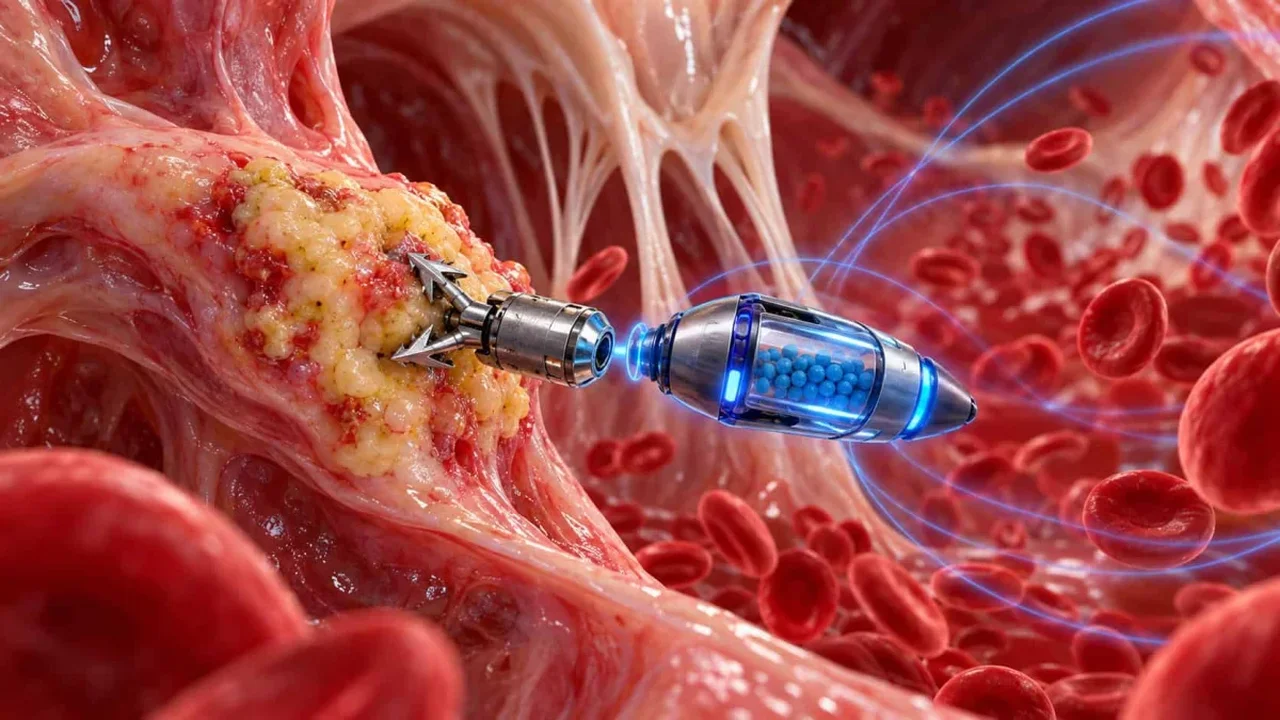
Microorganisms play a pivotal role in human health, and researchers are now investigating their potential to combat cancer. A groundbreaking study has focused on modifying probiotic bacteria to enhance their ability to target tumors effectively.
The research team has ingeniously engineered the probiotic strain Escherichia coli Nissle 1917 (EcN) to produce Romidepsin (FK228), a drug recognized by the FDA for its anticancer properties. Through advanced genetic techniques, they developed a variant of this bacterium capable of synthesizing the drug. Subsequently, they employed a mouse model by introducing breast cancer cells and administering the modified bacteria.
Targeting Tumors with Precision
The results revealed that EcN successfully colonized tumor sites and released Romidepsin FK228 in various experimental conditions, both in vitro and in vivo. This innovative approach allows the bacteria to act as a targeted delivery system, transporting the drug directly to the cancerous tissues.
Despite these promising findings, further research is essential. Human trials have yet to be conducted, and future investigations will need to address potential side effects and methods for safely eliminating the bacteria post-treatment. These considerations will be crucial in determining the viability of engineered EcN as a cancer therapy.
A Promising Dual-Action Approach
The authors of the study assert, "The probiotic strain Escherichia coli Nissle 1917 (EcN) presents significant potential for cancer treatment. By utilizing engineered EcN, we can create a bacteria-assisted, tumor-targeted therapy for the biosynthesis and precise delivery of small-molecule anticancer agents. Our research establishes a robust foundation for developing bacteria capable of producing these drugs while targeting tumors, paving the way for future innovations in cancer therapy."
They further emphasize that the tumor-targeting capabilities of Escherichia coli Nissle 1917, combined with the anticancer effects of Romidepsin, could lead to a dual-action cancer treatment strategy.