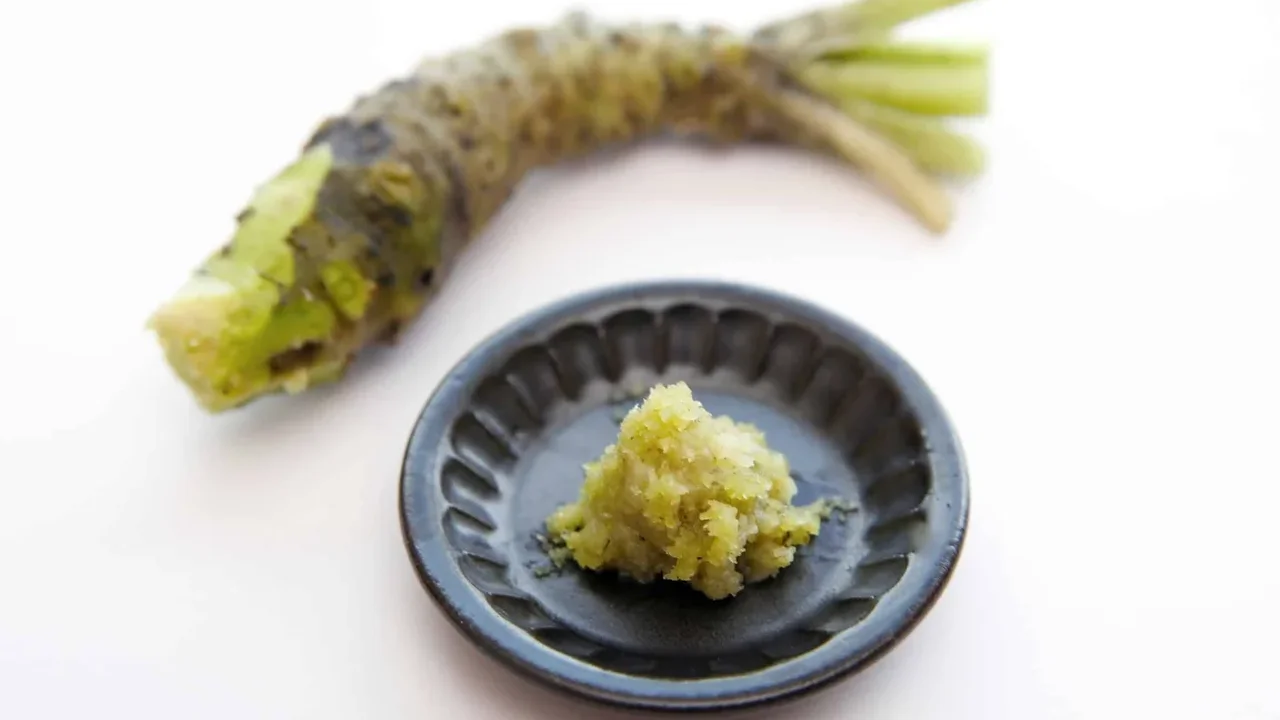
A naturally occurring compound in Japanese wasabi is being explored as a new way to help teeth repair damaged tissue from within. Researchers at Tokyo Dental College have moved the approach into early human testing after encouraging results in laboratory and animal studies.
Supporting the Tooth's Natural Repair Process
The compound, called 6-MSITC, is found in Japanese wasabi and has drawn attention for its ability to activate odontoblasts. These specialized cells line the dental pulp and produce dentin, the mineral-rich tissue beneath tooth enamel.
Dentin makes up most of a tooth and helps protect the soft inner pulp, where nerves and blood vessels are located. While teeth can produce limited amounts of protective dentin after minor damage, this natural response is often modest. The new research aims to enhance that existing biological mechanism rather than simply cover sensitive areas.
In cell studies, 6-MSITC increased mineral production by odontoblasts. Researchers found that the molecule influences ion movement within these cells, helping create conditions that support calcium-rich dentin formation.
Promising Results in Early Studies
In an animal study, researchers applied a gel containing 6-MSITC to shallow cavities in rat molars. After two weeks, treated teeth produced nearly three times more reactionary dentin than untreated controls: around 260 micrometers compared with 92 micrometers.
The team is now conducting early clinical research at Tokyo Dental College's Suidobashi Hospital. Participants are using chewing gum containing 6-MSITC while researchers examine whether stimulated dentin formation may help reduce tooth sensitivity, particularly discomfort linked to cold food and drinks.
Clinical findings are still preliminary, and further studies will be needed to establish safety, effectiveness and the most suitable treatment format. The approach is not intended to regrow a complete tooth or replace enamel, roots or missing teeth. Instead, it could one day support the repair of dentin in existing teeth.
If validated in larger trials, this strategy could advance regenerative dentistry by helping dental care work with the tooth's own repair system, opening new possibilities for more biologically driven treatments.