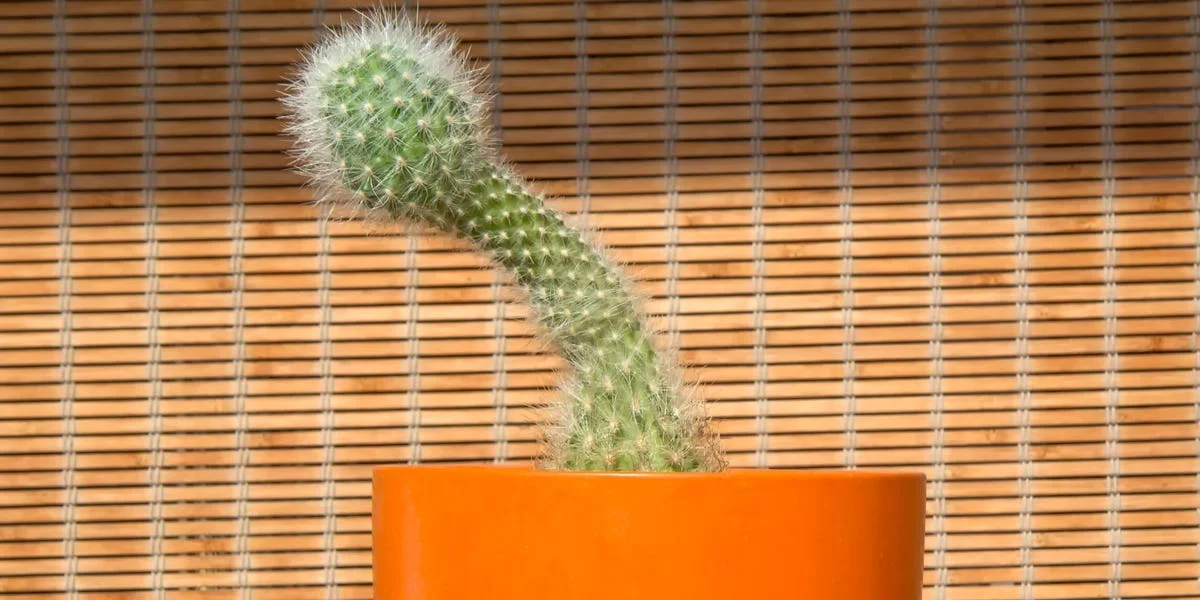
Peyronie's disease is linked to an injury in the penis, often from everyday sexual activity or a sports-related impact, which can lead to scar tissue and a noticeable curve during erection. That curve may affect comfort and sexual function, but treatment is not one-size-fits-all.
How Specialists Choose the Best Option
Doctors first look at whether the condition is still in its active phase or has entered a stable stage. In the first six to 12 months, many specialists prefer observation, since the shape can still change. Once the scar tissue settles, treatment decisions are based on the degree of curvature, whether intercourse is affected, and if erectile dysfunction is also present.
Non-Surgical Approaches
For milder cases, one common option is collagenase injections, which are placed directly into the scar tissue to help break it down. This can be paired with traction therapy, a device-based method that gently stretches the penis over time. These approaches are often considered when the curve is moderate and the goal is gradual improvement.
Surgical Solutions
When curvature is more pronounced, surgery may offer a stronger correction. Plication uses stitches on the side opposite the plaque to straighten the penis, while grafting removes scar tissue and replaces it with graft material. Both are designed to improve alignment, though each has different trade-offs and recovery timelines.
When an Implant Makes Sense
For men who also have erectile dysfunction, a penile implant can address both concerns at once. In some severe curvature cases, it may also be considered even without erectile dysfunction, especially when other procedures could create new complications.
Experts at institutions such as Yale School of Medicine and Central Ohio Urology Group emphasize that the best outcome comes from shared decision-making between patient and physician. As treatment options continue to evolve, more personalized care could shape the future of men's health.