Experiencing occasional challenges with erections can often be attributed to stress, relationship issues, or even a night of indulgence. However, when such difficulties become frequent, it may point to a condition known as erectile dysfunction (ED). This condition affects around 30 million men in the United States, representing approximately 18.7% of the male population. While it is more prevalent in older age groups, younger men are also affected.
ED is defined as the inability to achieve or maintain an erection sufficient for sexual intercourse. Many men hesitate to discuss this issue, leading them to overlook potential underlying health problems that could jeopardize their overall well-being.
Here are six surprising factors that could be influencing your erectile health:
1. Heart Disease
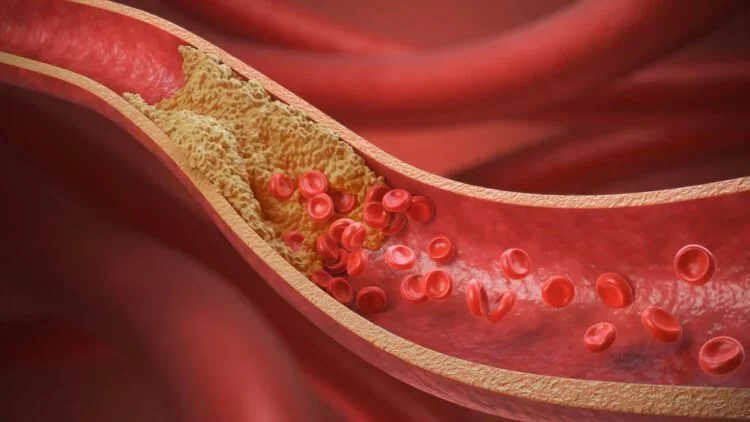
Research indicates that ED can be an early warning sign of heart disease. Studies show that men experiencing erectile issues may face heart-related events up to a decade earlier. The blood vessels supplying the penis are smaller and can become blocked before those leading to the heart. Maintaining a heart-healthy lifestyle can benefit erectile function.
2. Peyronie's Disease
This condition, characterized by the development of scar tissue within the penis, can lead to a noticeable curvature that may cause discomfort during intercourse. Early diagnosis allows for effective treatments that can alleviate symptoms and restore functionality.
3. Gum Disease
While not a direct cause, there is a significant association between gum disease and ED. Chronic inflammation from periodontal issues can impede blood flow, which is essential for achieving an erection. Maintaining oral health can contribute positively to overall sexual health.
4. Sleep Apnea
Obstructive sleep apnea (OSA) can disrupt sleep and is linked to ED. The condition can lower testosterone levels and hinder blood circulation, both of which are critical for sexual function. Addressing sleep apnea through lifestyle changes or medical interventions can enhance erectile health.
5. Diabetes
Type 2 diabetes is known to increase the risk of ED, often developing 10 to 15 years earlier in diabetic men. Effective management of blood sugar levels can prevent nerve and blood vessel damage, reducing the likelihood of erectile issues.
6. Depression
The relationship between mental health and erectile function is significant. Depression can interfere with the nervous system's ability to trigger erections. Seeking help from a mental health professional can be crucial in addressing both emotional well-being and sexual health.
Recognizing and addressing these factors can lead to improved sexual health and overall quality of life. Open communication with healthcare providers is vital for exploring treatment options and understanding the underlying causes of erectile dysfunction.
As awareness grows around these issues, it is likely that more men will seek help, leading to better health outcomes and a more open dialogue about sexual wellness.