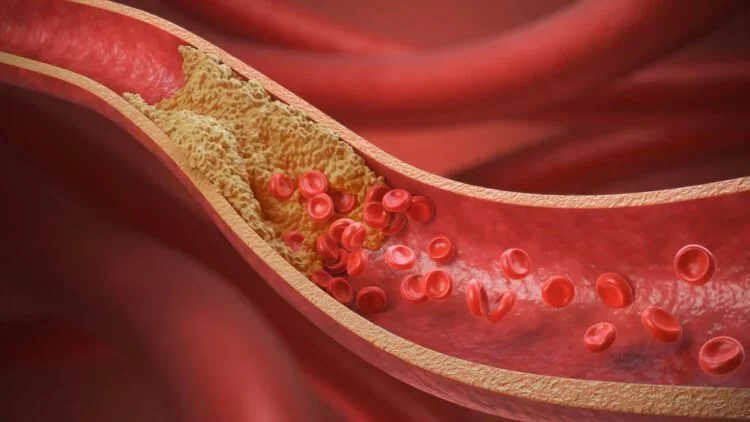
Cardiovascular diseases often progress silently, primarily due to the gradual accumulation of low-density lipoprotein (LDL) cholesterol in the arteries. This buildup can narrow blood vessels, increasing the risk of heart attacks and strokes. While statins have been the mainstay of treatment for years, many patients struggle to meet the evolving cholesterol targets set by medical guidelines.
Enter a promising new oral medication. A Phase 3 clinical trial published in The New England Journal of Medicine revealed that an experimental pill named enlicitide decanoate significantly reduced LDL levels in individuals with heart disease or those at high risk, without any apparent safety concerns over a year.
According to cardiologist Ann Marie Navar from UT Southwestern Medical Center, "An oral therapy this effective has the potential to dramatically improve our ability to prevent heart attacks and strokes on a population level."
Pill vs. Injection
Enlicitide functions by targeting a protein known as PCSK9, which acts as a molecular brake on the liver's capacity to eliminate LDL from the bloodstream. By inhibiting PCSK9, the liver can more effectively remove LDL from circulation.
The discovery of the LDL receptor by researchers Michael Brown and Joseph Goldstein in the 1970s and 80s laid the groundwork for statin development, earning them a Nobel Prize in 1985. Subsequent studies linked naturally low LDL levels in some individuals to genetic variations that reduce PCSK9, paving the way for the era of PCSK9 inhibitors.
Currently, injectable PCSK9 inhibitors can lower LDL by a similar degree, but their practical application has been limited due to costs, insurance challenges, and patient hesitance towards injections.
The recent CORALreef Lipids trial aimed to assess whether enlicitide could provide a daily pill alternative. A total of 2,909 adults across 168 sites in 14 countries were randomly assigned to receive either 20 milligrams of enlicitide or a placebo for 52 weeks.
Participants, averaging 63 years of age and already on statins, started with an average LDL level of approximately 96 mg/dL. By the 24-week mark, LDL levels in the enlicitide group decreased by about 57%, whereas levels in the placebo group rose slightly. The pill also positively impacted other risk-related blood markers, including non-HDL cholesterol and lipoprotein(a).
Dr. Navar noted, "These reductions in LDL cholesterol are the most significant we have ever achieved with an oral drug since statins were introduced."
Current Evidence Limitations
The primary concern for patients is whether lowering cholesterol will indeed lead to fewer heart attacks and strokes. However, this trial was not structured to answer that question, as it only followed participants for one year. While this duration is sufficient to observe cholesterol changes and common side effects, it is not long enough to determine the impact on major cardiovascular events.
William Boden from Boston University, who was not involved in the study, commented that the research provides "compelling evidence" that this pill can lower cholesterol comparable to injected PCSK9 drugs, though he cautioned there is currently no proof that these LDL reductions will result in fewer heart attacks or strokes.
Initial safety assessments appeared reassuring, with adverse events not differing significantly between the groups. A larger cardiovascular-outcomes trial is already in progress to track heart attacks and strokes more comprehensively.
It's important to note that while enlicitide may not replace statins, it could serve as an additional option for individuals struggling with high cholesterol despite lifestyle adjustments and standard treatments.