Prostate cancer, one of the most commonly diagnosed cancers among men globally, has long posed challenges for the immune system, often evading detection. Recent advancements in immunotherapy are changing this narrative, particularly with the introduction of a groundbreaking drug known as VIR-5500.
This innovative treatment has shown extraordinary potential in early-stage trials, specifically designed for men with advanced prostate cancer who have not responded to conventional therapies. Conducted across eight international sites, the trial involved 58 participants, leading to promising results.
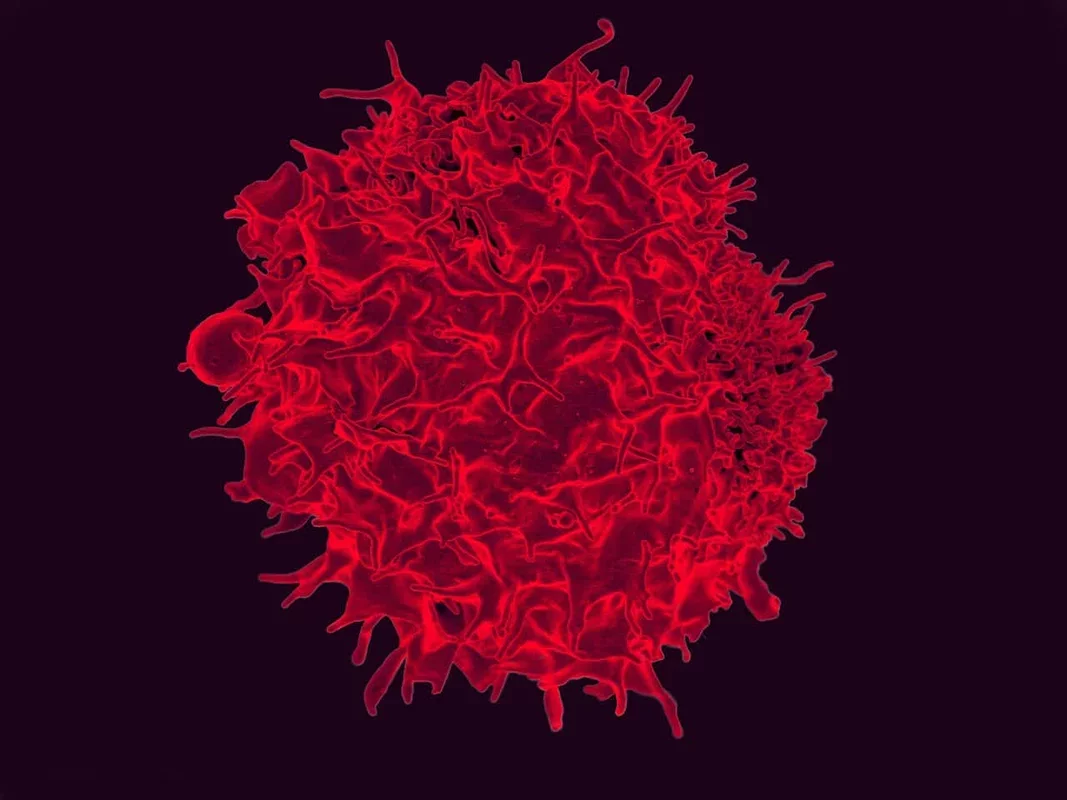
VIR-5500 functions as a "T-cell engager," effectively bridging the gap between the immune system's killer T-cells and the cancer cells that typically remain hidden. By targeting both the immune cell and a specific protein on the cancer cell, the drug facilitates a lethal interaction, empowering the body's defenses.
Professor Johann de Bono, who led the research at the Institute of Cancer Research, emphasized the significance of this approach, stating, "T-cell engagers empower the body's own immune system to give cancer cells the kiss of death."
A Breakthrough with Minimal Side Effects
Historically, T-cell engagers have been associated with severe inflammatory responses, often limiting their effectiveness for prostate cancer treatment. However, VIR-5500 employs a unique mechanism that allows it to remain inactive until it reaches the tumor site, minimizing adverse reactions.
This precision not only reduces side effects but also extends the drug's presence in the bloodstream, potentially decreasing the number of doses required. Remarkably, 88% of trial participants reported only mild side effects, a significant improvement over previous treatments.
The trial results, unveiled at the American Society of Clinical Oncology Genitourinary Cancers Symposium, showcased a dramatic impact on prostate-specific antigen (PSA) levels, a critical biomarker for prostate cancer. Among those receiving the highest dose, 82% experienced a reduction in PSA levels by at least 50%, with some achieving a staggering 99% decrease.
Transformative Outcomes and Future Prospects
The findings have been described as unprecedented for a cancer type historically resistant to immunotherapy. Among the 11 patients with measurable tumors, 45% showed significant tumor shrinkage. One remarkable case involved a 63-year-old participant whose cancer had spread to his liver; after undergoing six treatment cycles, all liver lesions were resolved.
Professor Kristian Helin, CEO of the Institute of Cancer Research, highlighted the groundbreaking nature of these results, noting that immunotherapy has often been out of reach for prostate cancer patients. The early success of VIR-5500 brings renewed hope for effective treatment options.
As the drug advances toward larger trials, experts stress the importance of diverse patient representation to ensure equitable outcomes across different demographics. Patient advocacy groups are equally optimistic, viewing these early results as a significant step toward providing men with more time with their loved ones.