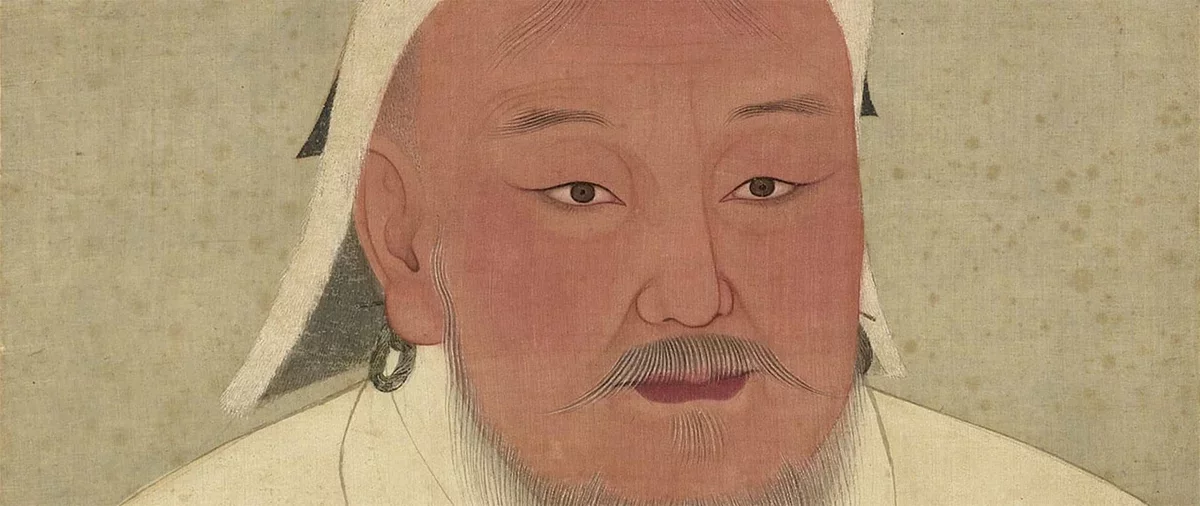
The long-held belief that Genghis Khan, the founder of the Mongol Empire, fathered one in every 200 men alive today is being challenged by new genetic research. For years, it was thought that Khan's Y chromosome was so widespread that it made him an ultimate patriarch. However, recent findings from ancient DNA extracted from the graves of Golden Horde elites in Kazakhstan suggest a more nuanced reality.
Researchers have sequenced the genomes of medieval rulers believed to be descendants of Genghis Khan's eldest son, Jochi. While they did find that these elites carried the C3* Y-chromosome cluster, which had previously been linked to Khan, they also discovered a rare sub-branch of this lineage. This specific genetic signature does not match the more common version found in millions of men across Eurasia today, indicating that the widespread lineage might belong to a different ancestor who lived long before the Mongol Empire.
This crucial discovery alters the narrative of Khan's extensive genetic legacy. Historical records confirm that he had four official heirs and numerous other children, but the exact number remains uncertain. While he was undoubtedly prolific, the myth that he directly populated a significant portion of Eurasia is not supported by this new scientific evidence.
The Legacy of the Great Khan
Genghis Khan is known for establishing the largest contiguous land empire in history, which at its peak spanned 24 million square kilometers. His conquests not only reshaped the map of the world but also laid the groundwork for the Pax Mongolica, a period that facilitated trade between East and West along the Silk Road.
Despite the violent means of his expansion, Genghis Khan's legacy is complex. He is reputed to have had a vast number of children, with some of his descendants reportedly fathering dozens of offspring themselves. However, the genetic implications of these relationships are now being reconsidered.
Investigating the Lineage
A 2003 study suggested that about 8% of men in Central Asia shared a specific Y chromosome lineage linked to Genghis Khan. A recent international study sought to verify this by analyzing the DNA of ruling elites from the Golden Horde. Excavations in Kazakhstan revealed skeletal remains that align closely with the Mongolian Plateau's ancient ancestry.
While the results confirmed the presence of the C3* Y-chromosome haplogroup among these individuals, the research indicated a more complicated genetic landscape than previously thought. The specific sub-branch identified is rare, suggesting that the common C3* lineage seen today may not directly trace back to Genghis Khan.
Future Research Directions
To conclusively determine Genghis Khan's genetic legacy, scientists would need access to his actual DNA, which remains elusive due to the secrecy surrounding his burial. As researchers continue to explore this fascinating topic, the findings underscore the importance of ancient DNA in reshaping our understanding of historical figures and their impact on modern populations.