Professor John Manning, a member of the A-STEM research team at Swansea University, has dedicated years to exploring the concept of digit ratio. This ratio compares the lengths of the index and ring fingers, known as the 2D:4D ratio. It has been established that this measurement reflects the hormonal environment a fetus experiences during the first trimester, specifically the balance between estrogen and testosterone.
When levels of estrogen are higher compared to testosterone during prenatal development, the index finger typically appears longer than the ring finger, resulting in a higher 2D:4D ratio.
Newborns: Measurements and Brain Development
In his recent research, Professor Manning collaborated with experts from the Department of Anthropology at Istanbul University. Their findings were published in the journal Early Human Development.
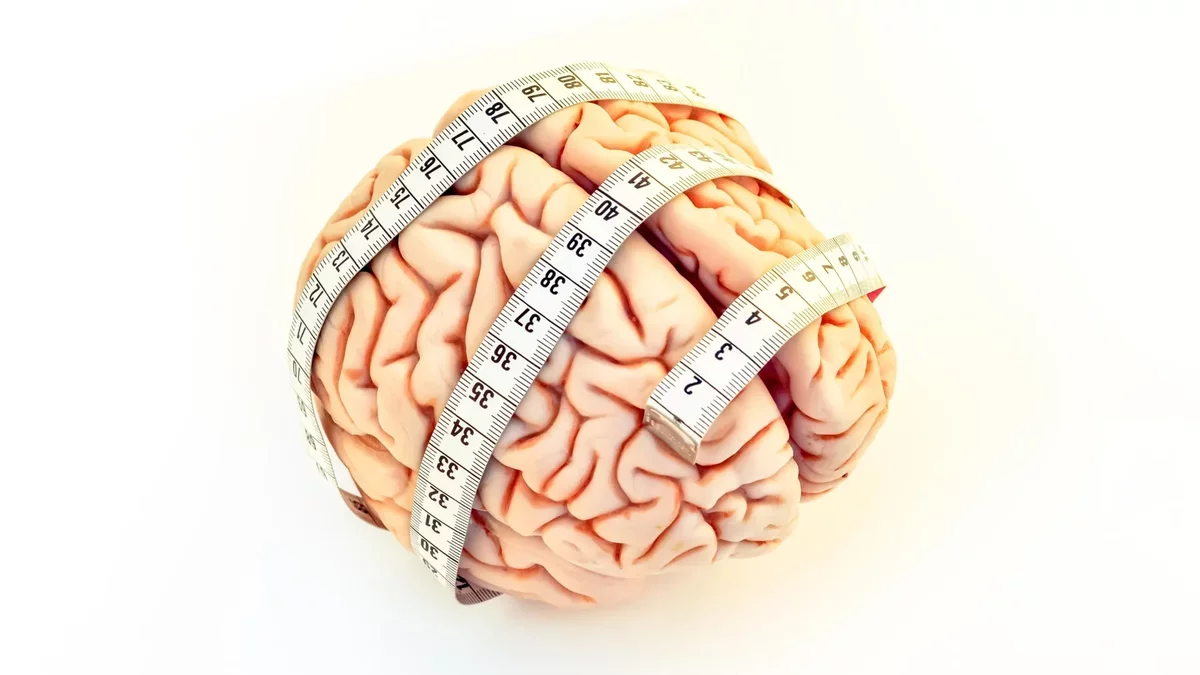
Given that head circumference in newborns correlates strongly with brain size and future intelligence, the research team studied both finger ratios and head sizes in a cohort of 225 newborns, consisting of 100 boys and 125 girls.
The analysis revealed a distinct trend among boys: those with higher 2D:4D ratios, indicating greater prenatal estrogen exposure, also exhibited larger head circumferences. This association was not observed in girls.
Health Implications and Evolutionary Insights
Professor Manning elaborated on the broader implications of their findings. "This research is significant for understanding human evolution, as increases in brain size coincide with the feminization of the skeleton, a concept referred to as the estrogenized ape hypothesis. Elevated 2D:4D values in males are linked to increased risks of heart issues, lower sperm counts, and a predisposition to schizophrenia."
"Nonetheless, the potential for larger brains may counterbalance these risks. Therefore, the evolutionary push for larger brains in humans might be inherently connected to decreased male viability, including cardiovascular challenges, infertility, and schizophrenia rates."
The researchers assert that this study contributes to the mounting evidence that prenatal estrogen has played a crucial role in the evolution of the human brain, albeit with certain biological trade-offs.
Wider Implications of Digit Ratio Research
Professor Manning's previous studies have also established connections between digit ratios and various outcomes. Earlier research has examined relationships between finger length and factors such as alcohol consumption, recovery from Covid-19, and oxygen usage in athletes. Collectively, this body of work underscores how a simple anatomical feature can reflect significant influences during early human development.