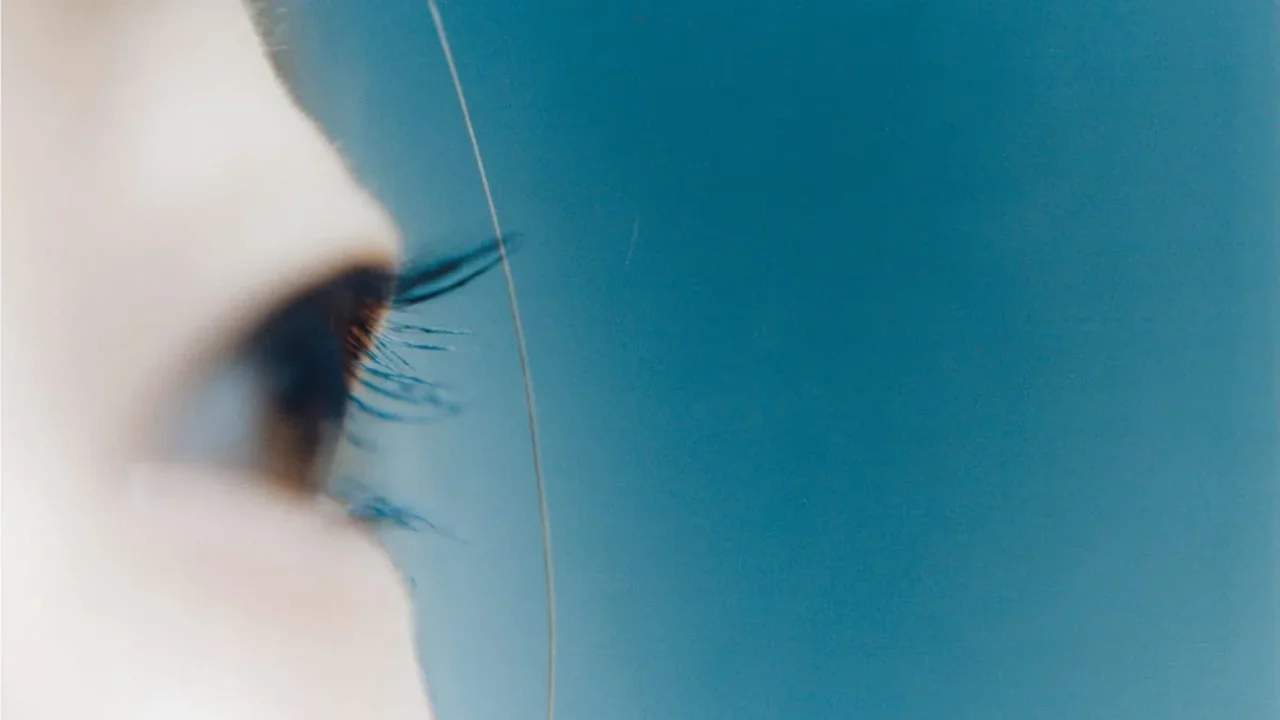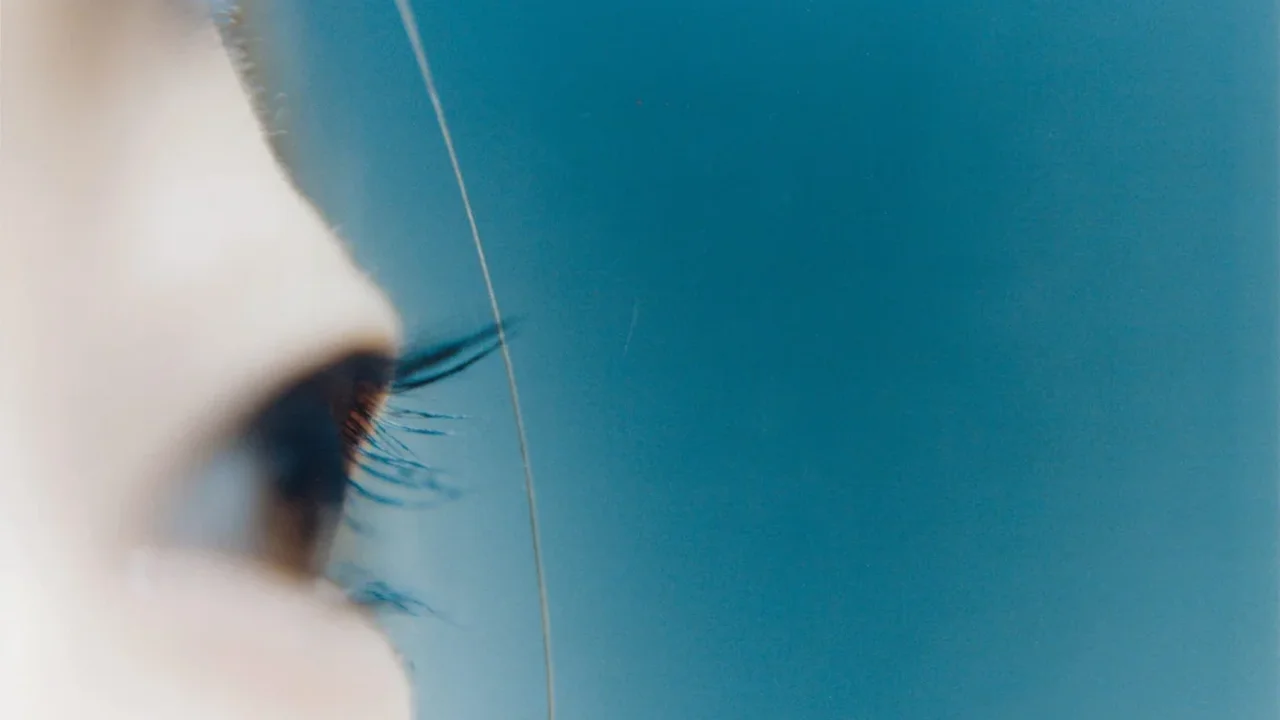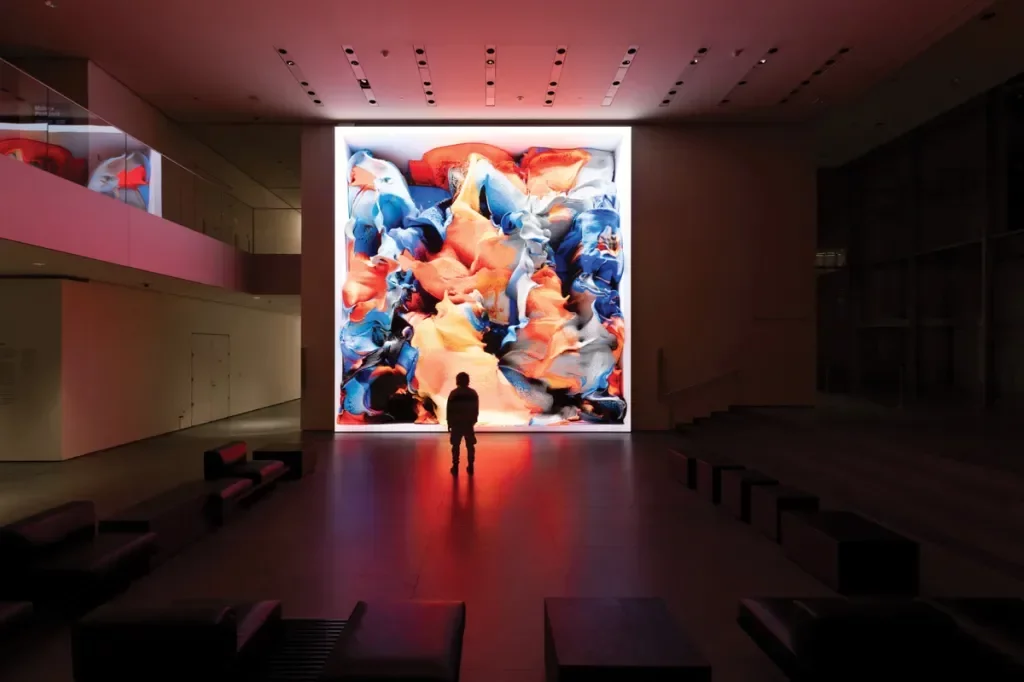
In a fascinating segment on 60 Minutes, renowned AI artist Refik Anadol discussed his innovative artwork Unsupervised, which captivated audiences at the Museum of Modern Art (MoMA) in 2022. Anadol revealed that visitors engaged with his piece for an impressive average of 38 minutes, a stark contrast to the typical 27 seconds museum-goers spend on art.
To create this striking work, Anadol utilized AI to analyze metadata from over 138,000 pieces in MoMA's collection, allowing the system to reinterpret art history through a dynamic display of shifting abstractions. This process evokes a visual journey where styles blend seamlessly, reminiscent of iconic artists like van Gogh and Monet.
During the interview, Anadol poetically described his approach, likening data to pigment that can morph in various forms and colors without the need to dry. He emphasized that this represents a new frontier in art, challenging traditional perceptions of creativity. When questioned about the depth of his work, he confidently asserted that it transcends mere spectacle.
Glenn Lowry, the former director of MoMA, praised the installation's impact, noting that visitors were often found lounging and dancing in the lobby, capturing and sharing their experiences on social media.
Anadol has gained significant traction in both the tech and art worlds, with some of his AI-generated pieces fetching over $1 million at auctions. Despite this success, some critics remain skeptical. Notably, art critic Jerry Saltz referred to Anadol's installation as a "massive techno lava lamp," suggesting that while AI may eventually contribute meaningfully to art, much of what is currently produced is merely an amalgamation of existing styles.
On the same program, artist and author Molly Crabapple raised ethical concerns, arguing that AI training relies on images taken without consent, likening it to a grand art heist. She contended that the vast number of appropriated images far exceeds the theft of a single painting from a museum.
In response to these criticisms, Anadol stated that he now exclusively uses ethically sourced datasets, viewing AI as a collaborative partner in the creative process. His goal is to achieve a balanced partnership between human and machine in artistic endeavors.
The overarching question remains: When a machine remixes the visual history of humanity, can it truly be considered art? Anadol believes we are venturing into uncharted territory, while critics like Saltz suggest we've been here before, albeit in a different form.