After a race, your watch may show a different time or distance from the official results. In most cases, the difference comes down to how each measurement is recorded.
Chip time and gun time
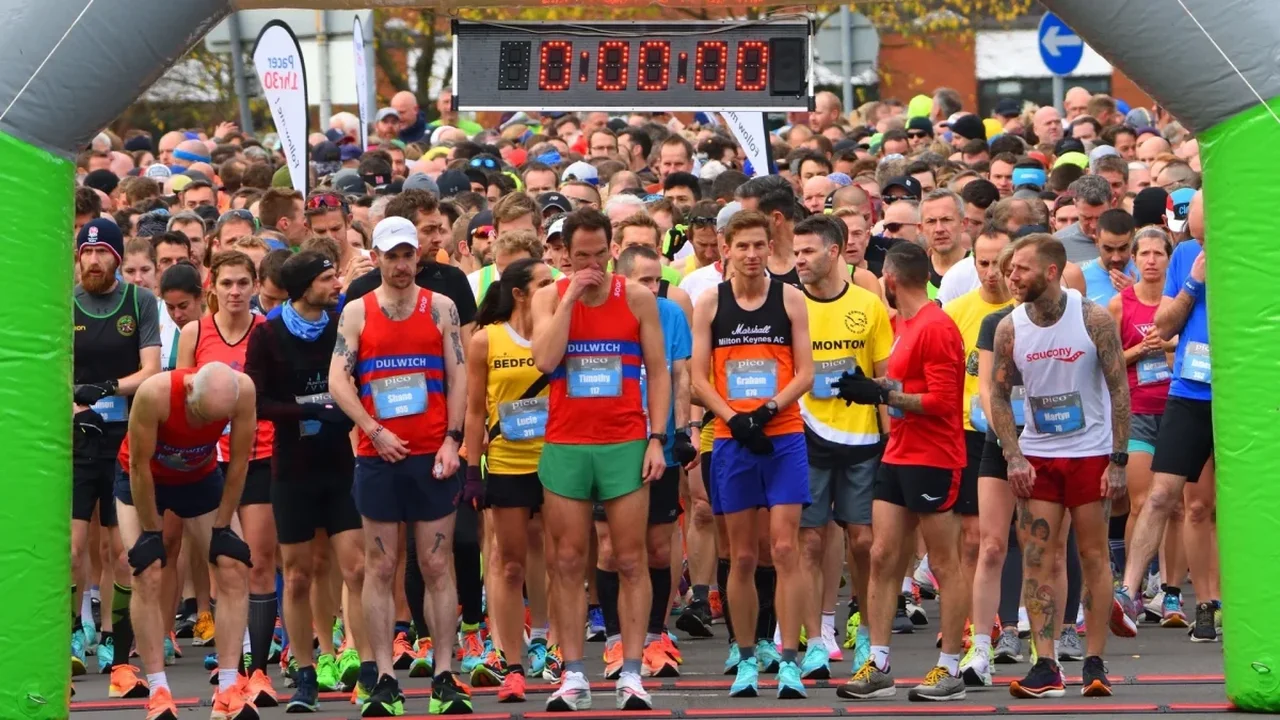
Chip time, also called net time, measures how long you take from crossing the start line to crossing the finish. A timing chip in your race bib records when you pass mats along the course. For most runners, this is the result to use when tracking race performances.
Gun time starts when the race officially begins and ends when you cross the finish. It can include time spent waiting in a large starting crowd. Gun time is generally most relevant to elite competitors and events that use it to determine winners. Smaller races without start-line timing may report only gun time.
Why your watch may differ
A watch should record a time close to your chip time if you start and stop it at the course's start and finish. But auto-pause settings can exclude time when you stop, while running apps may display "moving time" rather than total elapsed time. Race results include those pauses, so compare them with your watch's elapsed time.
If an official result appears substantially wrong, check with the organizer. Timing mistakes can happen, and a small event may not use chip timing.
Why GPS distance is often longer
Certified courses are measured along the shortest route a runner can legally take. The certification process used by USA Track & Field (USATF) also includes a small distance allowance to reduce the chance that a course is short. Runners may take wider turns or weave through other participants, so their GPS watches often record a little more than the advertised distance.
A watch showing considerably less than the race distance may indicate poor GPS accuracy, a course issue, or a measurement error. Compare your recorded route with the course and ask other runners whether they noticed the same discrepancy.
Which result counts as a personal best?
For comparisons between runners, use the official chip time on a certified course. A GPS watch can help track training efforts, but its distance is an estimate; reaching a watch's 5K marker does not necessarily mean you have crossed the race finish.
As timing systems and GPS tools continue to improve, understanding how each measurement works can help runners interpret results with greater confidence.