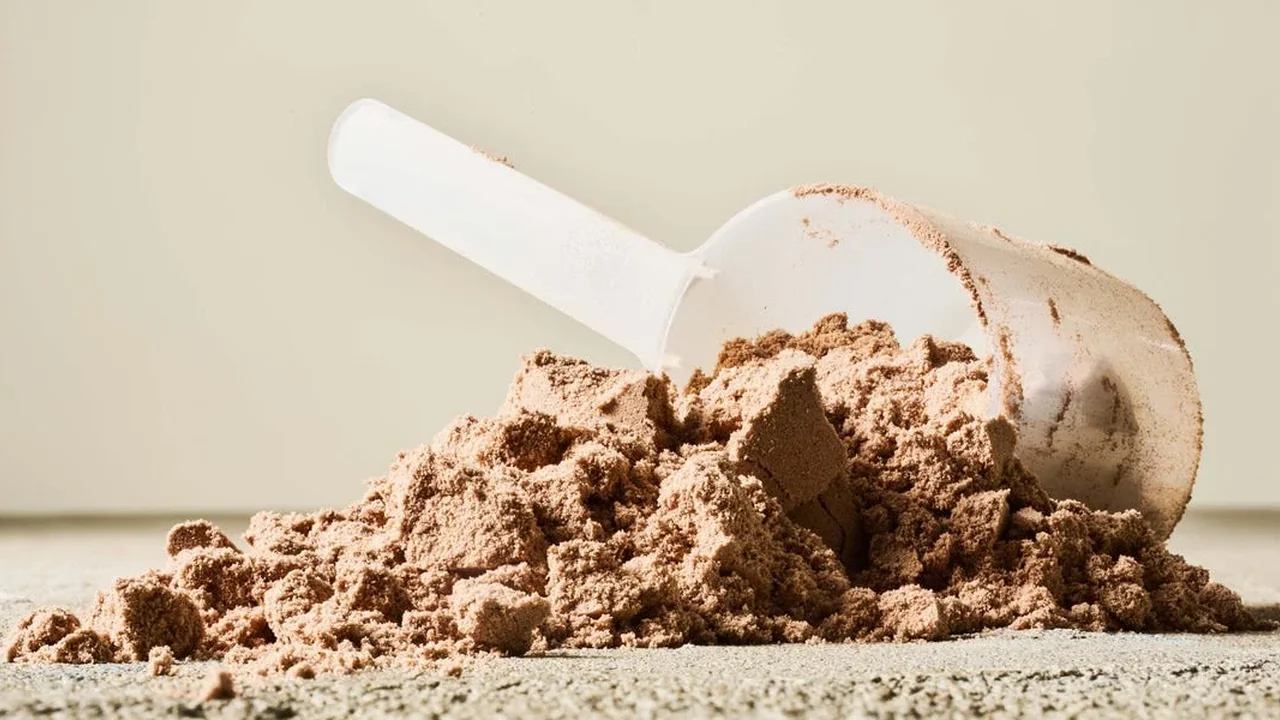
Fitness circles often debate whether a protein shake belongs before or after training, but nutrition experts say the bigger picture matters more than the clock. The body's muscle-building response does not shut off quickly after exercise; instead, the so-called anabolic window can remain open for 24 hours or more.
What really drives results
Registered dietitians note that both pre- and post-workout protein can support recovery. Still, the strongest predictor of muscle size and strength is not timing, but total daily protein intake. For people aiming to build muscle, spreading protein across the day is a practical strategy, with meals and snacks spaced about every three hours.
Experts also recommend keeping workout nutrition balanced. A protein shake can be paired with carbohydrates such as fruit, and dairy or soy milk can help improve the overall nutrient profile. Greek yogurt, nut butter, and protein-rich snacks can add extra support without making one meal overly heavy.
How much protein is enough?
Daily needs depend on age, activity level, and body goals. General dietary guidance covers basic survival needs, but active people often require more. For muscle gain, many specialists suggest roughly 0.8 to 1 gram per pound of bodyweight. That means a 180-pound person may aim for around 145 grams per day, divided into meals and snacks.
Nutrition experts also emphasize variety. Plant proteins, eggs, poultry, dairy, and legumes can all contribute to a stronger daily intake. Simple habits like meal prep, protein-rich breakfasts, and convenient snacks can make consistency easier.
Carbs still matter
Protein is only one part of performance nutrition. Carbohydrates help fuel training and replenish energy stores, while healthy fats support overall function. A balanced plate remains the most effective approach for recovery, strength, and long-term fitness.
As protein science becomes more precise, the future of fitness nutrition may move further away from rigid timing rules and toward smarter, more personalized daily fueling.